Audio Skies Michael Vamos - YG Acoustics, JMF Audio, Ideon at Capital Audiofest 2025
The Listening Room and Fidelity Imports - Diptyque DP-160 Mk.2 at Capital Audiofest 2025
Fidelity Imports Audia Flight and Perlisten System
Fidelity Imports Wilson Benesch and Audia Flight System at Capital Audiofest 2025
J Sikora Aspire, Innuos Stream 3, Aurender N50, Gryphon Antileon Revelation, Command Performance AV
Bella Sound Kalalau Preamplifier: Interview with Mike Vice
BorderPatrol Zola DAC – Gary Dews at Capital Audiofest 2025
Audio Note UK TT3 Reference Turntable Debut at Capital Audiofest 2025
Kevin Hayes of VAC at Capital Audiofest 2025
2WA Group debuts Aequo Ensium at Capital Audiofest 2025
Capital Audiofest 2025 lobby marketplace walk through day one
Lucca Chesky Introduces the LC2 Loudspeaker at Capital Audiofest 2025
Capital Audiofest 2025 Gary Gill interview
Sponsored: Pulsar 121
Acora and VAC together at Capital Audiofest 2025
Scott Walker Audio & Synergistic Research at Capital Audiofest 2025: Atmosphere LogiQ debut
Sponsored: Symphonia
Sponsored: Symphonia Colors

LATEST ADDITIONS

Just Another Night in New York City

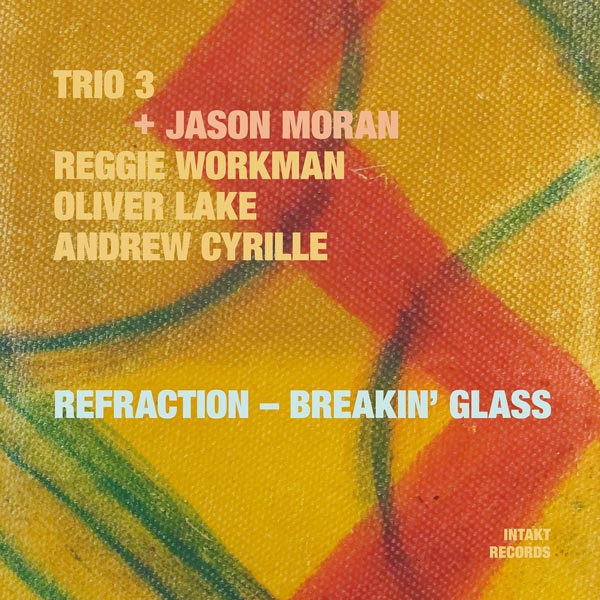
Thursday night, I took the F train to Manhattan's Blue Note, the 8pm set, to see Trio 3—the longstanding improv band, consisting of Oliver Lake on alto sax, Reggie Workman on bass, and Andrew Cyrille on drums—joined by Jason Moran on piano . . . Moran, the most inventive pianist on the scene today, can play anything with anybody.
Continue Reading »

Listening #154

To paraphrase the playwright Alan Bennett: When I started Listener magazine, my idea was to create a small, anarchist journal. But people wouldn't obey the rules.

In 2003, when I began writing for Stereophile, I felt very much at home. John Atkinson had one set of rules (footnote 1) to ring us in, us being the codependent communities of audio reviewers and audio manufacturers. Martinet that I am, I layered atop those policies a few rules of my own, to govern interactions with members of the industry. More recently, I began to observe an additional practice—I wouldn't quite call it a policy—meant to prevent mismatches, missteps, misunderstandings, and hard feelings all around: When someone offers me a product of a sort for which I have a consistent and automatic dislike, I tell them so. I say, politely, that I'm disinclined to borrow and write about the thing, because I suspect it will mesh with neither my system nor my tastes.

Continue Reading »

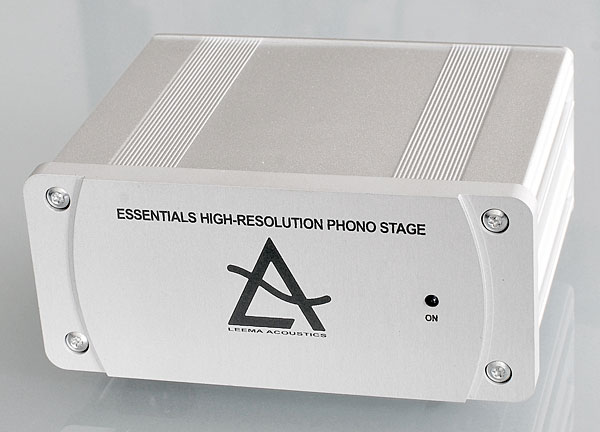
Leema Acoustics Essentials phono preamplifier

"The way that young people will get into high-end audio is not through streaming: It's through the LP."

When that observation was offered during a recent phone conversation, I wrote it down word for word—not just because I agree with it, but because it was so remarkable: The audio-industry veteran who offered it owns a digital front end worth tens of thousands of dollars, and hasn't owned a turntable for at least a dozen years. Nevertheless, as became clear during the remainder of our conversation, he understands the dynamic that keeps vinyl at the top: a confluence of marketing psychology and genuine sonic goodness.

Continue Reading »

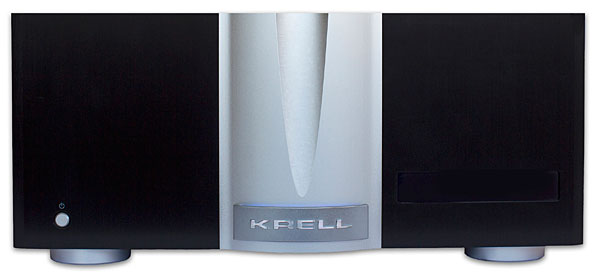
Krell Solo 575 monoblock power amplifier

Class-A amplifiers have a well-deserved reputation for being power guzzlers that run hot enough to burn fingers. They're inherently inefficient because their output devices conduct full current at all times, and much of that current is dissipated as heat—requiring, in the case of class-A solid-state amplifiers, massive heatsinks. This is why class-A amps tend to produce relatively low power, and tend to be heavy and expensive to buy and run. And these days, energy inefficiency is out of fashion.
Continue Reading »

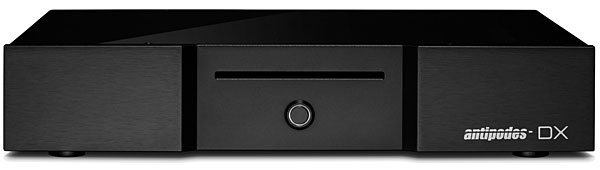
Antipodes DX Reference music server

Perhaps because I grew up in post-WWII England, with austerity and food rationing the norm, I learned at an early age the value of frugality. It was a financial stretch for me to buy, in the late 1960s, my first real audio system: Garrard SP25 turntable with Audio-Technica cartridge, Kenwood integrated amplifier, Wharfedale Super Linton speakers. Even when I could afford to upgrade the system, other than replacing the Garrard with a Thorens TD 150 and the Audio-Technica with a Shure, I went the DIY route. Back then, in the early '70s, I assumed that the advent of op-amp chips like the Fairchild Semiconductor µA741 would make it possible for me to design and make, for example, a good-sounding preamplifier for a lot less than it cost to buy one from an established manufacturer. That assumption turned out to be wrong, of course, but frugality was, by then, a habit: too ingrained for me to shake entirely.
Continue Reading »

Advertisement
Advertisement
Advertisement