Book Review: High Performance Loudspeakers, Seventh Edition
High Performance Loudspeakers: Optimising High Fidelity Loudspeaker Systems, Seventh Edition, by Martin Colloms. John Wiley & Sons, Inc., 2018. Paperback, 696 pp., $95. Available as an eBook, $79.99.
Continue Reading »
"Listen to thatthat's what I mean by 'cone cry!'"
It was 1979. I'd been taking part in a blind listening test of loudspeakers organized by Martin Colloms (footnote 1) for the British magazine Hi-Fi Choice and, after the formal sessions had ended, had asked Martin to explain something I'd heard. A drive-unit's diaphragm produces cone cry when it resonates at a frequency unconnected with the musical signal it is being asked to produce; we had been using an anechoic recording of a xylophone, and one of the loudspeakers we'd been listening to was blurring the pitches of some of the instrument's notes.
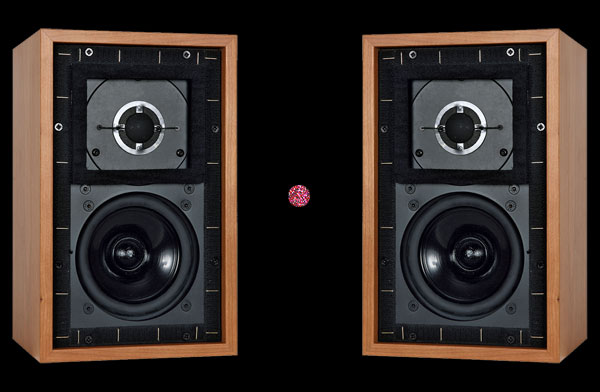
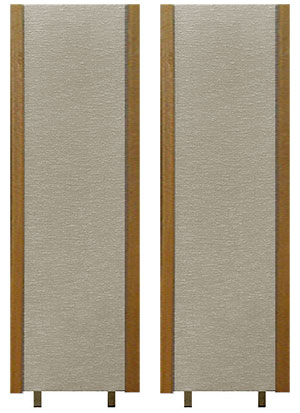 Ask anyone in the street what they think of when they hear the word "loudspeaker" and odds are they'll describe a wooden box with moving-coil drivers sitting in its front. But ask a Stereophile reader and it's quite possible that he or she'll describe a large, flat panel reminiscent of a room divider: in our