

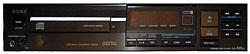
California Audio Labs Tempest II CD player
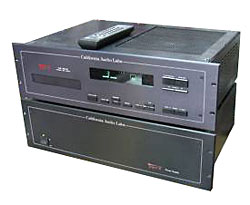
Snickering was heard from the major consumer electronics purveyors when California Audio Labs came out with the original">http://www.stereophile.com/cdplayers/654">original Tempest, their first CD player using tube output stages. But not from the audiophile community. It was, all things considered, an inevitable product; I'm certainly not the only one who wondered—before the emergence of California Audio Labs—who would be the first to build such a unit. The obvious candidates were Audio Research or Conrad-Johnson. But those companies apparently read the audio tea-leaves and, perhaps perceiving the early high-end hostility toward the new format, apparently decided to bide their time. (With regards to tube players, they're still biding it, though C-J has had a prototype player up and running for some time.)
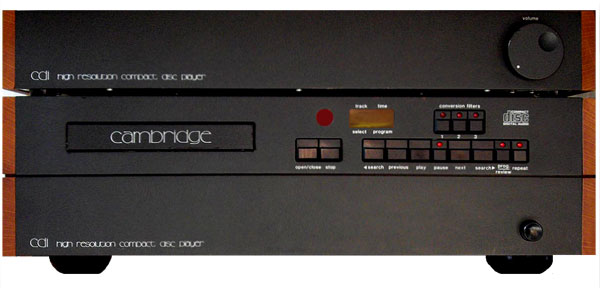
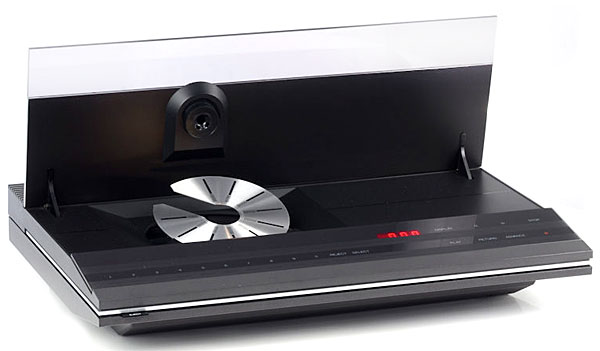
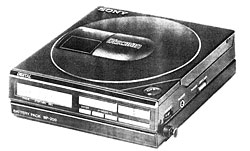 There's a race on between Sony and Matsushita, to determine who can build the smallest battery-operated CD player with the most features. Sony currently holds the lead with its second-generation D-7 ($300), about 30% smaller than the first "pocket" CD, the D-5. Most of the reduction is in height; both players have a horizontal cross-section only slightly larger than the CD itself. The illusion of smallness is further enhanced by an angled front panel with beveled edges.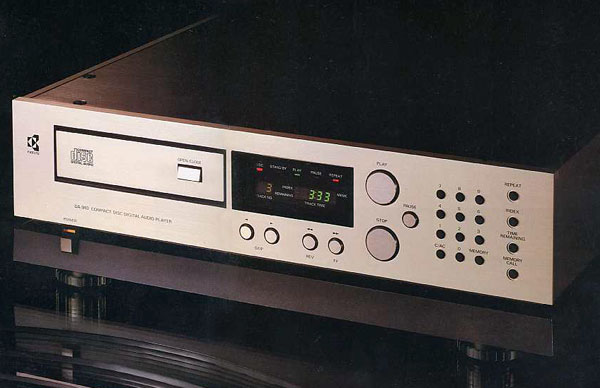
 Publisher's Note: For the first time since I've published Stereophile, we are running two completely differentand opposed reports on the same product. Normally, we try to reach some conclusion as to why reviewers come up with opposite views on a product, and resolve the problem prior to publication. In this case, the problem lies in the differing sound systems used for review. Since some readers will have systems like SWW's, and others will have systems more like JGH's, I felt it was valuable to run both reviews.