

Analog Corner #267: Reed Muse 3C turntable & Reed 3P tonearm
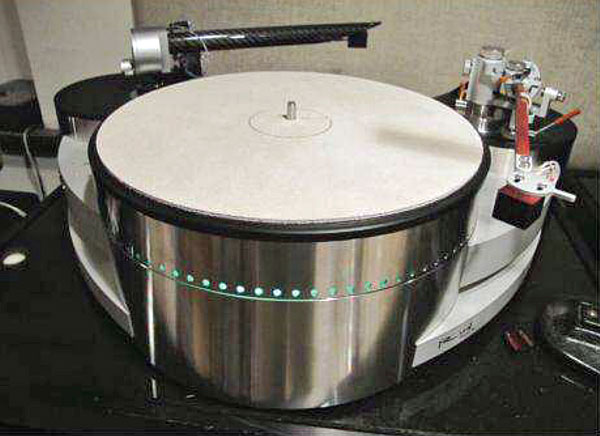
The Reed 3P tonearm, which I reviewed in my April 2016 column, was an impressive piece of imaginative engineering and manufacturing prowess. I asked Reed's importer, Axiss Audio, if I could hold on to the 3PI was already planning to review Reed's Muse 3C turntable. I'm glad I didthe 3P ($5000) and 3C ($15,000) make an outstanding combination. (When the only complaint you have about a turntable is that the cable from its power jack to the power supply isn't long enough to reach the floor, you can be sure you're going to write a very positive review.)
Analog Corner #268: Grado Lineage Epoch phono cartridges
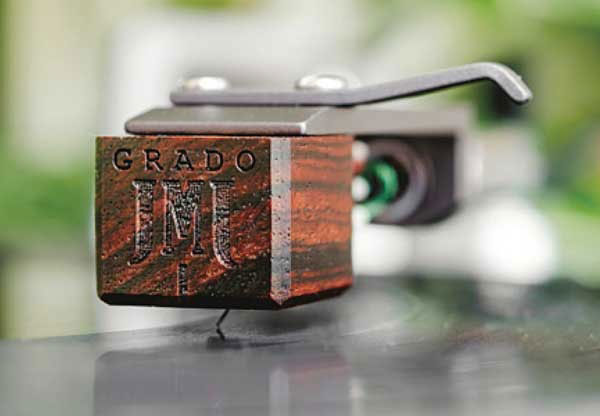
Brooklyn-based Grado Labs has been in business for 64 years, manufacturing moving-iron phono cartridges, headphones, and, for a while, even a unipivot tonearm with a wooden armwand, as well as the sophisticated, S-shaped Signature Laboratory Standard arm.
Analog Corner #269: TechDAS Air Force III turntable and Graham Engineering Phantom III tonearm
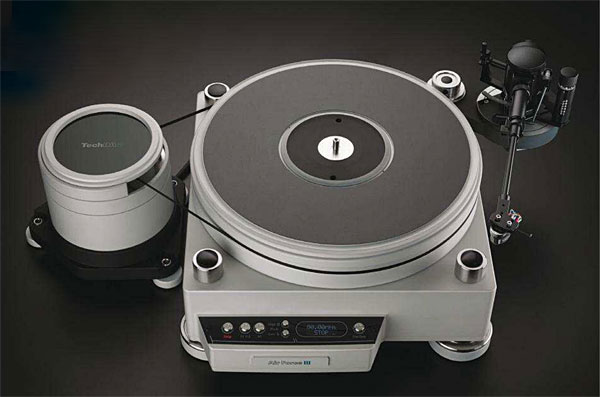
It was great fun having our editorial coordinator, Jana Dagdagan, shoot a video profile of me in my listening room. As I write this, it's had more than 88,000 views. While the ratio of thumbs up to thumbs down has remained consistently around 10:1, some of the negative comments, particularly about our industry and about this magazine, do enrage me.
Analog Corner #270: Rega Research RP10 turntable and Aphelion MC phono cartridge
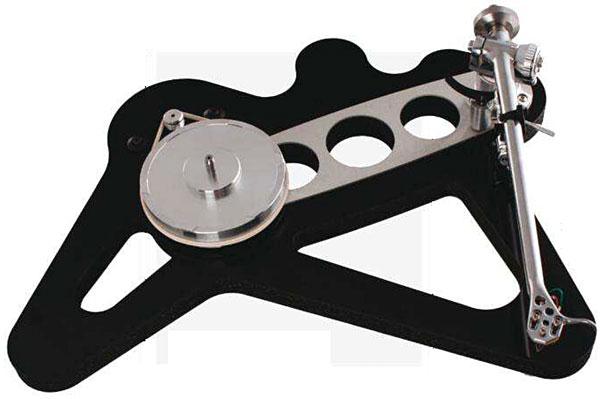
In February 2017, for the first time in almost 20 years, I visited Rega Research's factory in Southend-on-Sea, UK. I found a company that had added to its just-built factory a second building of the same size, had added an upper level within that space, and already was running out of space. Corridors and walkways were being used for assembly and storage.
Analog Corner #271: Koetsu Rosewood Mono, Kuzma CAR-50 and CAR-60 phono cartridges
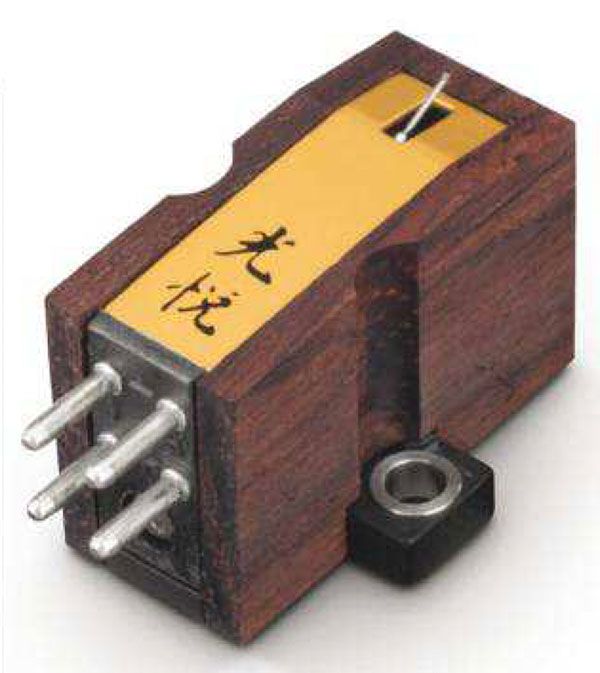
In 1964, Shure Brothers shook up the cartridge market by introducing the original V-15 moving-magnet cartridge, which then cost $67, equivalent to about $530 today. It came packaged in a deluxe, wooden, jewelry-style boxcommon practice for today's cartridges, but back then unheard of.
Analog Corner #272: Kuzma CAR, Miyajima Madake Snakewood, TechDAS TDC01 Ti phono cartridges
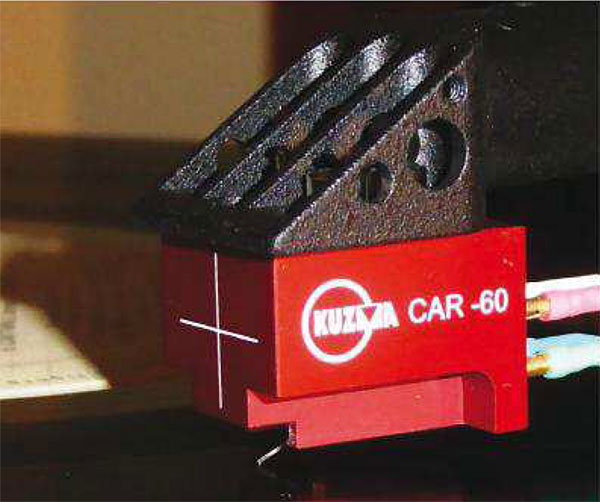
At Stereophile, we don't generally allow Mulligansreview do-overs. Usually, we take a second look at a product we've reviewed only when the first sample turns out to have been defective, especially if it was damaged in shippingand we rarely do even that.
Analog Corner #273: Soundsmith Hyperion phono cartridge & AudioQuest AC power products
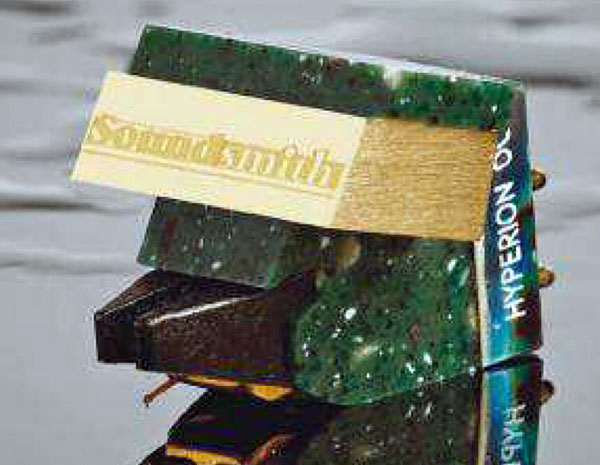
Peter Ledermann, founder and chief designer of Soundsmith, Inc., began his adventures in phono cartridges by reverse-engineering Bang & Olufsen's Moving Micro-Cross moving-iron cartridges for customers B&O had abandoned when it got out of the LP player business, and putting them into production. The B&O cartridges were of the direct plug-in variety; once they were no longer made, a worn or broken B&O cartridge would render a B&O turntable unusable.
Analog Corner #274: SMc Audio AC Nexus power conditioner, Kuzma 4Point 9 tonearm
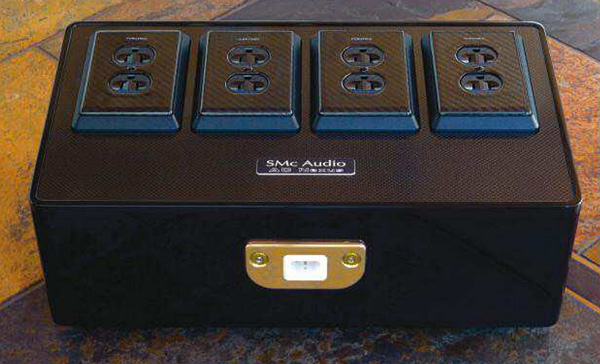
Why am I once again falling down the rabbit hole of alternating current? A while back, I committed to listening to SMc Audio's AC Nexus power conditioner, designed by SMc founder Steve McCormack and distributed by dealer Hi Fi One.
Analog Corner #275: Bergmann Audio Galder turntable & Odin tonearm
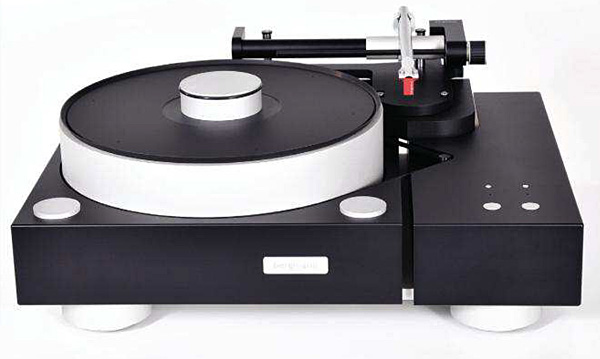
Bergmann Audio (footnote 1) launched its first turntablethe Sindre, which featured an integrated tonearmin 2008. The Sindre's acrylic platter and tangential-tracking tonearm both floated on air bearings; it had an outboard motor controller, a separate air pump for the air bearings, and cost $21,000.
Analog Corner #276: van den Hul The Grail phono preamplifier & Colibri Signature Stradivarius phono cartridge
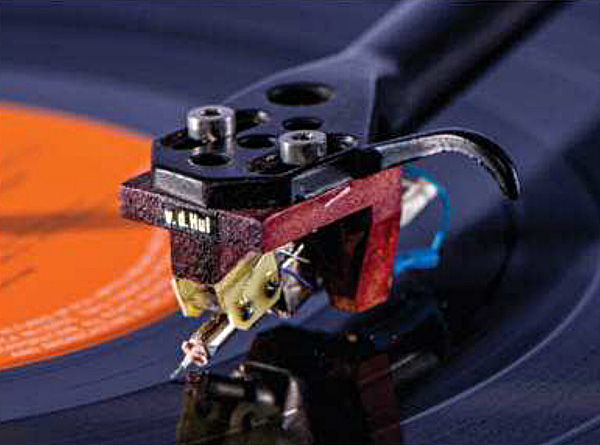
Among the electrically connected, the phrase short circuit induces panic and horrific images of tripped breakers, blown fuses, acrid blue smoke, and melted circuit boards. Nonetheless, near short circuits are becoming popular among the analog set. Moving-coil cartridges of an inductance and impedance so low they're nearly short circuits are now more common, thanks to powerful neodymium magnets that help produce more and more electrical output from fewer and fewer turns of coil wire. Perhaps the most extreme example of this is the Haniwa HCTR01 Mk.II cartridge, which has an internal impedance of 0.4 ohm and an inductance of 0.3µH.