

Timbre Technology TT-1 D/A processor
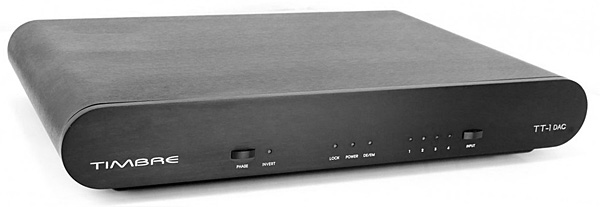
As the sides of the slim-line Timbre Technology TT-1 DAC are radiused rather than flat, it's elegant compared to its typical boxy competition. While the TT-1's handsome shape stands out more than your average audiophile device, its curved sides help create a stronger, less resonant shape than the usual box, and serve as just one of the many elements contributing to a high degree of mechanical integrity and damping.
Topping DM7 8-channel D/A processor
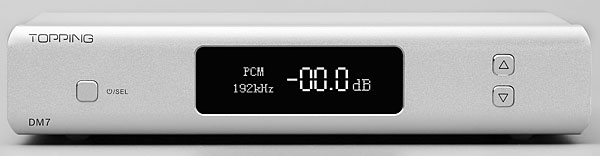
The Topping DM7 DAC ($599.99) is a high-resolution, eight-channel DAC that supports PCM and DSD sources but will not handle any of the common Dolby/DTS codecs. It employs the highly capable and respected ES-9038PRO DAC chip, ESS's flagship. It has just one input, and it's USB. Its eight analog outputs are fully balanced, but they are TRS (tip-ring-sleeve) phone jacks, which are more widely used in pro audio; most audiophiles will require adapters.
Two Follow-Up Reviews: Benchmark DAC3 B & Rotel DT-6000
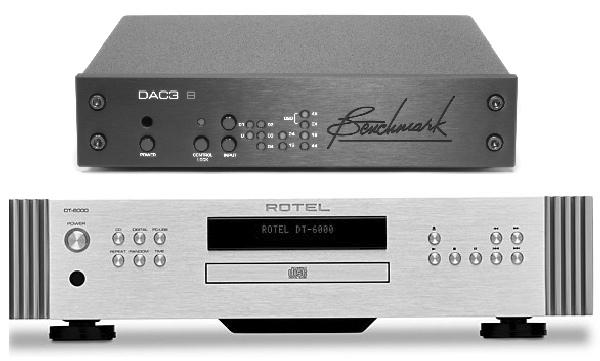
Stereophile's March 2023 issue includes two follow-up reviews of high-performance digital playback products: the Benchmark DAC3 B D/A processor; and the Rotel Diamond Series DT-6000 DAC Transport (a CD player with digital inputs).
Two June FollowUp Reviews
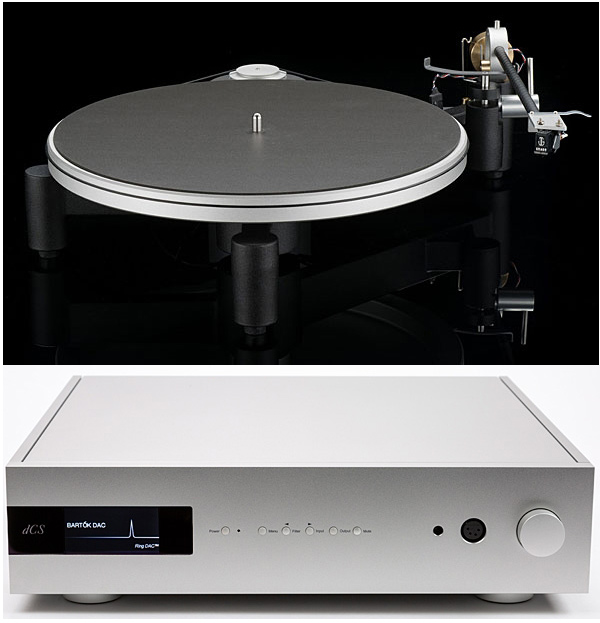
The June 2021 issue of Stereophile included followup reviews of two recommended components, both which deserved further investigation of what they had to offer: the dCS Bartók D/A processor and the Schiit Audio Sol turntable.
Two November Issue FollowUps
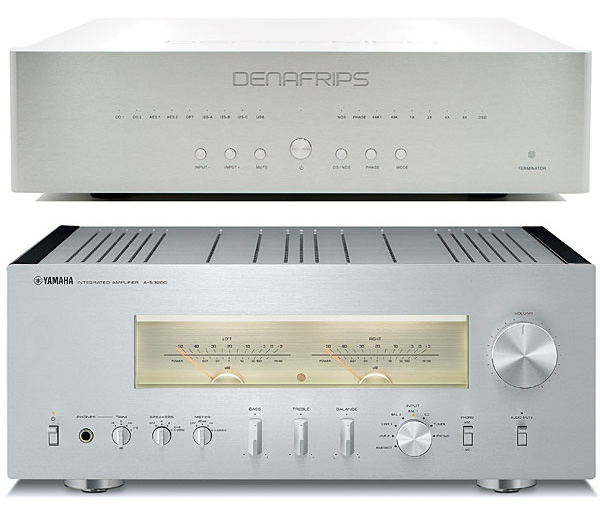
Two of the followup reviews that were published in the November 2020 issue of Stereophile have been posted to the magazine's website: Herb Reichert on the Yamaha A-S3200 integrated amplifier and the measurements of the Denafrips Ares II and Terminator D/A processors.
UpTone Audio USB Regen
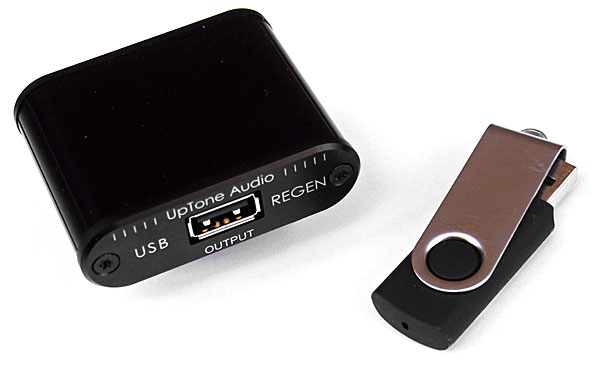
UpTone Audio's USB Regen is a powered, single-port USB 2.0 hub that takes the USB signal from your computer, regenerates (ie, reclocks) the data, provides cleaned-up 5V power from a built-in, ultralow-noise regulator, and sends an impedance-matched signal to your DAC. The Regen is designed to sit as close to your DAC as possible; UpTone supplies a male/male USB A/B adaptera solid, double-ended plug, which they recommend over the 6"-long male/male USB A/B cable they also provide.
Verity Audio Montsalvat DAC/PRE D/A processor
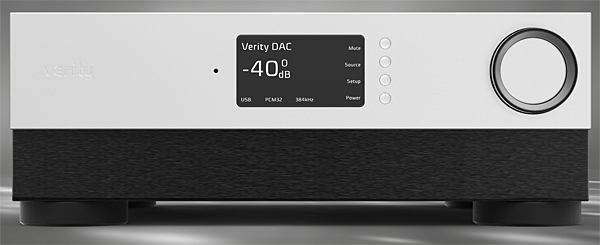
I was aware that Canadian company Verity Audio, founded in 1995, made loudspeakers, like the Sarastro II that Fred Kaplan reviewed in May 2009. But when Jason Victor Serinus and I attended the 2018 Rocky Mountain Audio Fest, we were both impressed by the sound of an all-Verity system that featured Verity's Monsalvat AMP-60 power amplifier. Jason Victor Serinus favorably reviewed the AMP-60 in May 2019; I didn't have to be asked twice, therefore, if I wanted to review Verity's Montsalvat DAC/PRE (see later).
VTL Reference D/A processor
I find it more than a little ironic that in 1990 the only two digital-to-analog converters to employ a new state-of-the-art DAC also use vacuum tubes. Many in the audio community consider tubes an anachronism, and find it surprising and humorous that they are still used in newly designed audio products. The fact remains, however, that these two tubed digital processors achieve the best digital playback currently available—and by a wide margin. Moreover, their respective designers' technical savvy and passion for building leading-edge products is reflected in their choice of these superlative and very expensive new DACs. Is it mere coincidence that both designers also chose vacuum tubes to realize their vision of no-compromise digital playback?
Wadia 121decoding Computer D/A processor
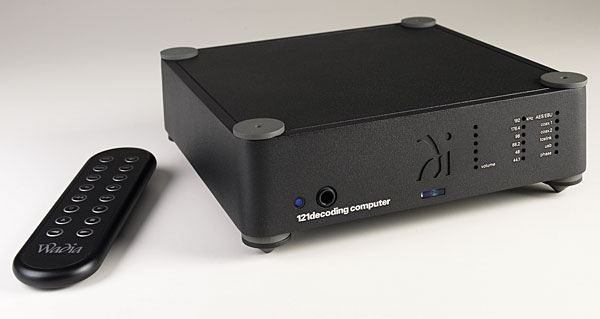
For the audiophile modernist, a DAC with volume control is the straightest path between the music server or network stream and your amp and speakers. If you've fully embraced networked audio, there's no need for fussy preamps with their analog inputs, analog volume controls, and [gasp!] phono stages. Find a digital source, a DAC with volume, and go.
Wadia 2000 Decoding Computer
Ain't technology grand! That's what I was thinking while driving to work this morning. Sure, the rain was coming down in buckets, but there I was sitting comfortably in a warm car, listening to music while making tracks at 50mph. A long way from horse-and-buggy days.