

The Second Sense
When it comes to video, most audiophiles are insufferable snobs. These normally reasonable people, who are among the first to admit that great sound in a motion picture theater makes a great film much more enjoyable, nonetheless. scoff at the very idea of augmenting their own sound with images, or of trying to create the kind of audio-visual experience in their home that they routinely enjoy at the cinema. Doing that involves video, which they equate with TV, which they equate with LCD (footnote 1) dross. This is unfortunate, because visuals can enhance good sound, and good sound can do wonders for non-TV video programs like Hollywood motion pictures.
The Shifting Audio Showscape
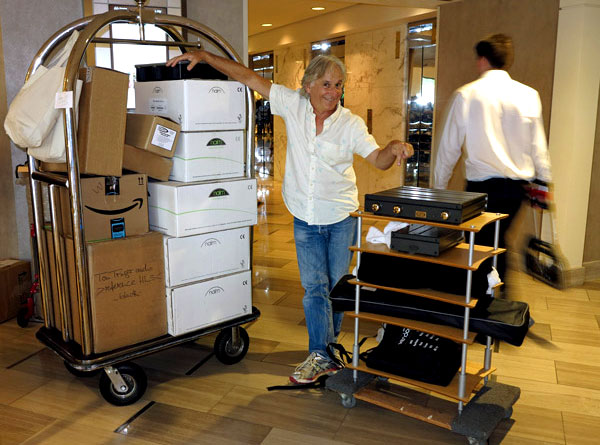
The 2018 audio show season is about to start and it's not just Stereophile's coverage of high-end audio showswhich has taken a leap forward with the inclusion of Jana Dagdagan's binaural videosthat's changing. The shows themselves are on the move.
The Silent Minority
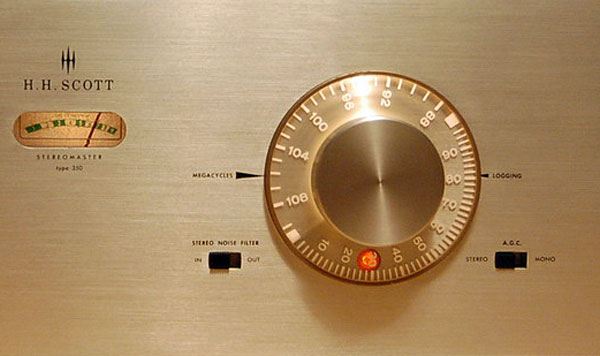
Until about nine months ago, in the fall of 1970, FM radio station WFLN, Philadelphia, was just another one of that dying breed: the classical FM station. Like its counterparts in the few remaining classical-radio cities, it provides the major part of the high-fidelity listener's radio diet, and also like most similar classical stations, its fidelity was nothing to brag about.
The Skating Force Phenomenon
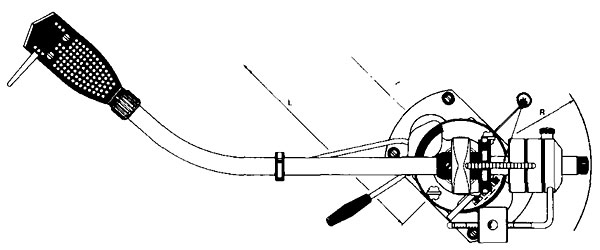
At the beginning of last month's As We See It, I wrote that I've lately been focused on "analog things." I proceeded to write about refurbishing and modding my old McIntosh tuner. That's "analog thing" #1. So, what other analog things have I been focused on? Here's #2...
The Soul of a New Medium
Successful new prerecorded audio media emerge, on average, every two decades—one human generation. The LP made its debut in 1948, 21 years after the introduction of electrical recording ended the adolescence of the record industry and the acoustic 78rpm disc. This was almost coincidental with Jack Mullin's retrieval of analog tape technology from the wreckage of post-WWII Germany and its subsequent commercialization by Bing Crosby's Ampex company (footnote 1). The compact cassette made its appearance in 1963, followed almost 20 years later by the CD, in 1982. And now, as I mentioned in the October issue's "As We See It," we have Sony and Philips' Super Audio CD and the DVD Forum's DVD-Audio to contend with (not forgetting MP3 and the Internet).
The Sound and the Image
It's not surprising that many people, like me, love nice cameras and good stereo gear. In my worse moments, I attribute this to mere consumerism: We love expensive stuff and the thrill of buying something new, whether for reproducing music or creating visual images. In my better moments, it's clear to me that there's more than that to this common taste for audio and photography, and more to the hobby of so-called perfectionist audio.
The Sound Of Music
"Most people really don't like music—they just like the way it sounds"
The Sound of the Human Heart
Not everything that can be counted counts, and not everything that counts can be counted.William Bruce Cameron, Informal Sociology: A Casual Introduction to Sociological Thinking (1963)
I hear not the volumes of sound merely, I am moved by the exquisite meanings.Walt Whitman, "That Music Always Round Me," from Leaves of Grass
These two statements, to me, express the core perspective shared by Stereophile's contributors. When I encountered both of them within a span of 30 days, they spoke so strongly that I felt impelled to hook up the biggest, baddest loudspeakers I could find and broadcast them to the world, without distortion. Failing in that quest, and having not yet attained the status of the Edward R. Murrows and Walter Cronkites of eras past, I share them here.
The Spaces Between the Notes
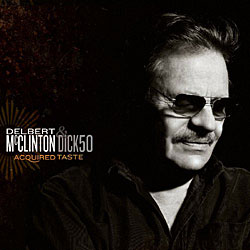
"Check it out." Music editor Robert Baird handed me a CD. "He's 70 years old, it's his 13th album, he got Don Was to produce it, and it's his best yet."
The Spaces Between the Notes
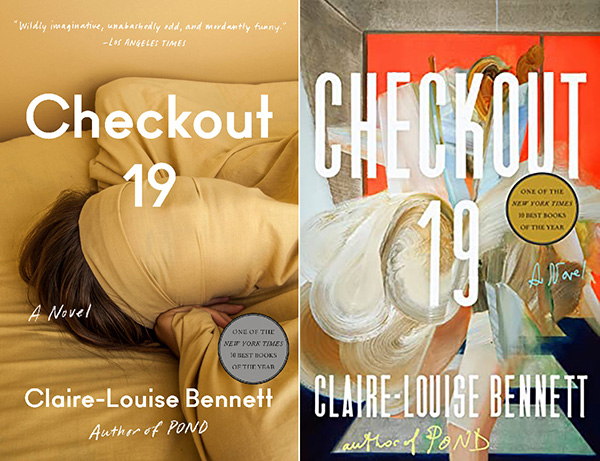
At the beginning of the 2022 novel Checkout 19, by Claire-Louise Bennett, I encountered some ideas that resonate in interesting ways with my recent experience of recorded music. . .
I've been bringing home too many records from the record store, or too many CDs from the CD shop, for decadesso many that it's difficult to focus on just one, to listen to it again and again, to give it the attention it deserves. In the era of streamingof having a sizeable fraction of the history of recorded music at your fingertips for $10$20/monththe temptation is especially acute. It's too easy to move among favorite bits of our favorite musicespecially when, as is too often true of audiophiles, we're so eager to hear how a favorite moment in this or that piece of music sounds on our system, now that we've added in that new component.