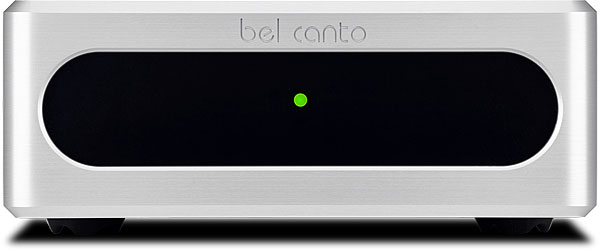
Has it really been more than seven years since I reviewed Bel Canto's REF1000M monoblock? According to the Bel Canto website, that model, based on Bang & Olufsen's ICEpower class-D modules, is no longer available. But now, like so many manufacturers, Bel Canto has adopted for its new models the NCore class-D module from Hypexalthough the REF600M monoblock ($4990/pair) is not Bel Canto's first product to use it . . .
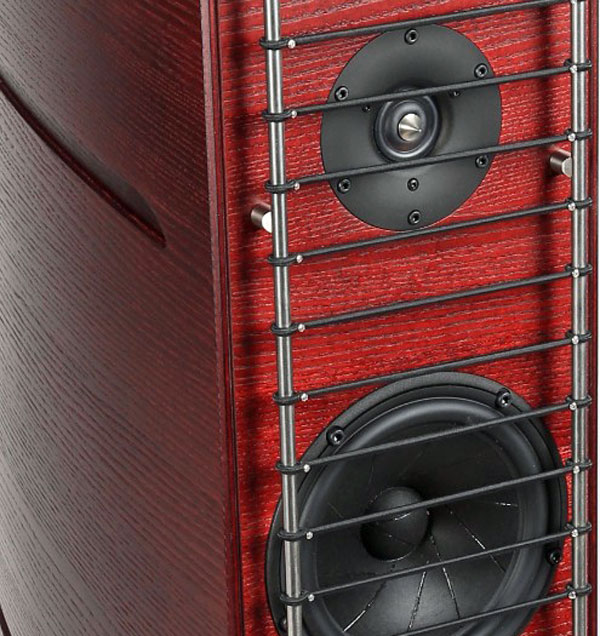
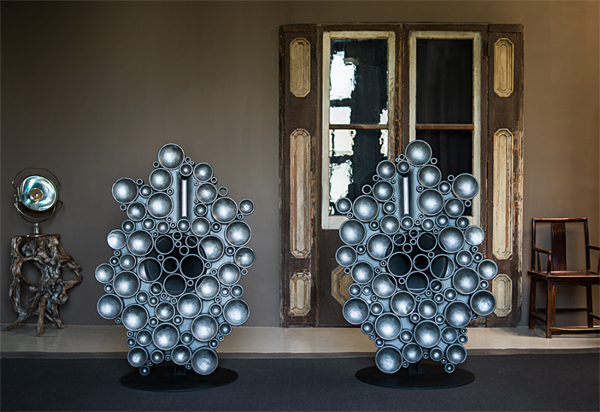
Friday, September 30, 48 pm and Saturday, October 1, 48 pm, Lavish HiFi (1044 4th Street, Santa Rosa CA 95404) are presenting special listening events featuring the premiere of GamuT's new flagship speaker, the Zodiac. Featured guests will be GamuT's chief designer, Benno Baun Meldgaard, and US president Michael Vamos.
It can be a spontaneous, self-generated hybrid of black shapes, brushed metals, and varying wooden finishes. You need not limit yourself to a single component or a single manufacturer. Whatever comes to mind first, really.
This story originally appeared at InnerFidelity.com
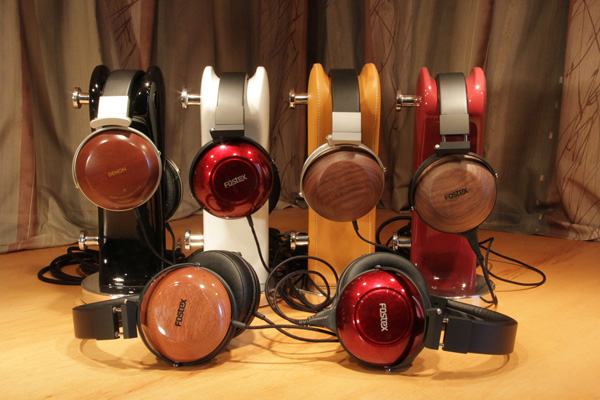
They're certainly a family of headphones...but like any family, there's lots of differences. Small differences in most of the baffle plates and rear damping...could be lots of stuff going on around the driver that can't be seen.
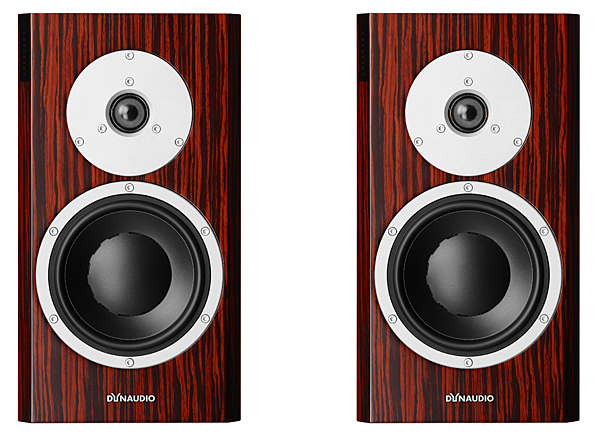
The second I encountered Dynaudio's Focus 200 XD powered loudspeaker at the High End 2015 show in Munich, Germany, it called to me. I wasn't so much drawn to its unique functionswhich I describe belowas by the fact that it could help fill the black hole left by the dismantling of my reference system for my move from big, badass Oakland, California to the small, magical town of Port Townsend, Washington.