John Atkinson and I were On the Road, whistling down I-95 in a big, Kona Blue Metallic 2011 Ford Edge Ltd with voice-command everything. To paraphrase Raoul Duke at the very beginning of Hunter S. Thompson's Fear and Loathing in Las Vegas, we were somewhere around Princeton, New Jerseynot quite the edge of the desertwhen the drugs began to take hold. Just as in the original text, "there was a terrible roar all around us, and the sky was full of what looked like huge bats, all swooping and screeching and diving around the car . . ." I decided that there was no point in mentioning the bats to JA. He'd bought the Criterion Collection DVD of Terry Gilliam's film version of Fear and Loathing at Princeton Record Exchange. He knew about the bats.
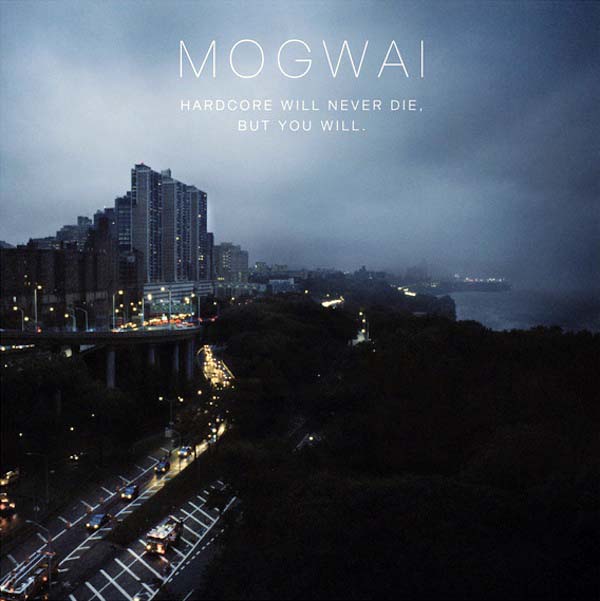
Mogwai’s latest album, the band’s seventh full-length studio release, due in stores next Tuesday, February 15th, is called Hardcore Will Never Die, But You Will. I just found out about this today. Stephanie Scola of KEF told me because she knows I like Mogwai. Thank you, Stephanie. My reaction to this news was simple and unambiguous: With a name like Hardcore Will Never Die, But You Will, the album had already earned my blind and stupid love. That’s right: Before ever even hearing this record, I knew that I was going to own it and I was going to love it. That’s the kind of guy I am. If you didn’t already know, now you know. Maybe this changes your opinion of me, but I don’t care.
Clogs at Merkin Hall with Shara Worden and the Brooklyn Youth Chorus
Feb 10, 2011
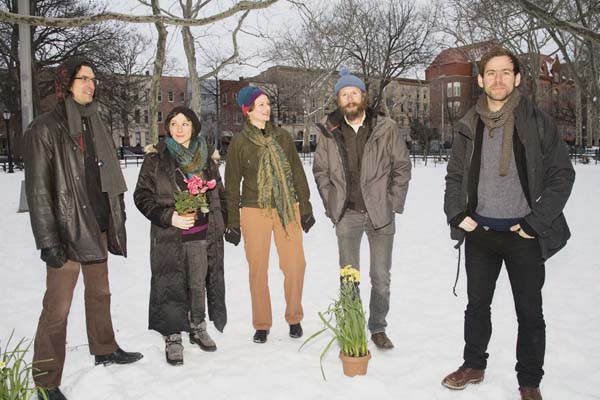
Clogs in the snow. Photo: Tamara Bogolasky.
Saturday, March 12, 7:30pm: Clogs, Shara Worden, and the Brooklyn Youth Chorus will perform at Merkin Concert Hall (129 West 67th Street, New York). The performance is part of Merkin’s inaugural Ecstatic Music Festival. Stereophile readers who have enjoyed John Atkinson’s 2007 recording, Attention Screen: Live at Merkin Hall (available here), will be familiar with the rich, inviting sound of the space.