The least surprising story in music today is the inevitable passing of irreplaceable talent. Tenor saxophonist Benny Golson died at age 95 the day I finished this salute to another fallen star, Southern California singer/songwriter John David "JD" Souther.
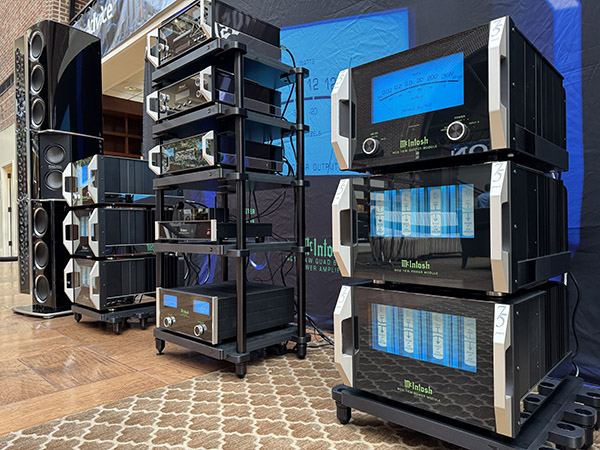
Bose Corporation announced today the acquisition of McIntosh Group, the parent company of high-end audio brands McIntosh and Sonus faber. The move aims to broaden Bose's offerings into the high-performance and luxury audio markets.
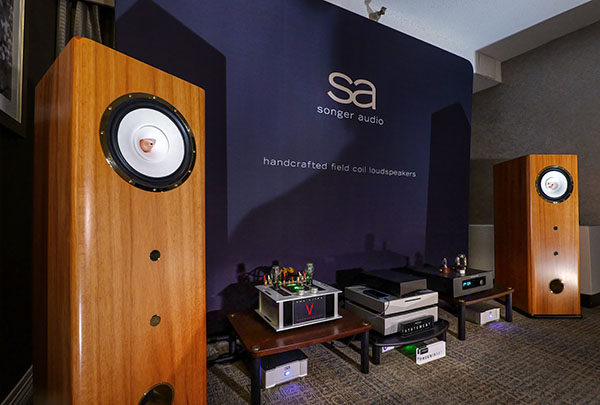
Songer Audio with LampizatOr, Innuos, Whammerdyne, KBL Sound
Nov 20, 2024
This is the CAF room that all my audio running buddies and even non-buddies told me about: Songer Audio.
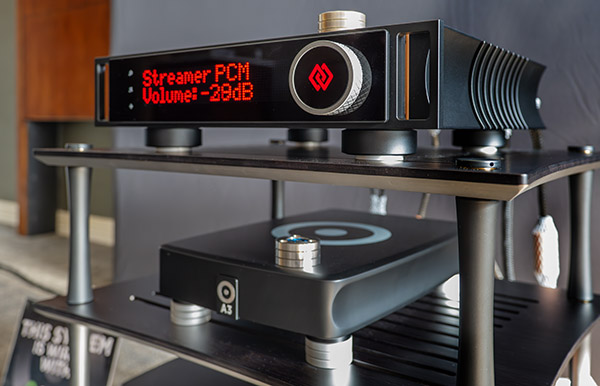
I strolled in and took a seat in front of a LampizatOr Atlantic 3 TRP DAC ($7325), an Innuos Statement Next-Gen Server & Streamer ($25,000), and Phoenix NET Network Switch ($4349). These components fed a Whammerdyne Heavy Industries DGA-Ultra 2A3 Integrated Amplifier ($5995). Whammerdyne Heavy Industries sounds like a Roadrunner cartoon company gone wrong, but I stayed put.
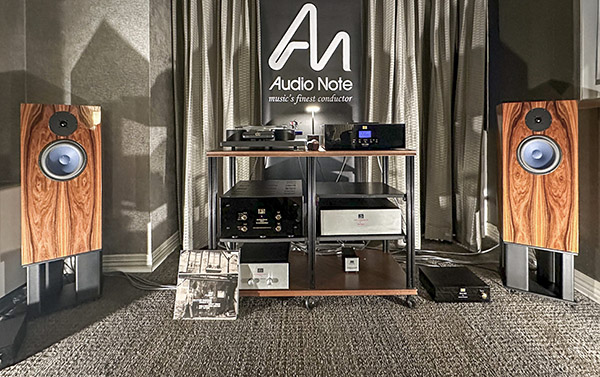
Adrian Ford-Crush manned the Audio Note (UK) room solo at CAF, though whispers circulated about the brand’s major domo Peter Qvortrup lurking in the crowd. Surprisingly, the usual Audio Note techno and classical blasts were replaced by soothing folk and jazz, a balm for weary show-goers.
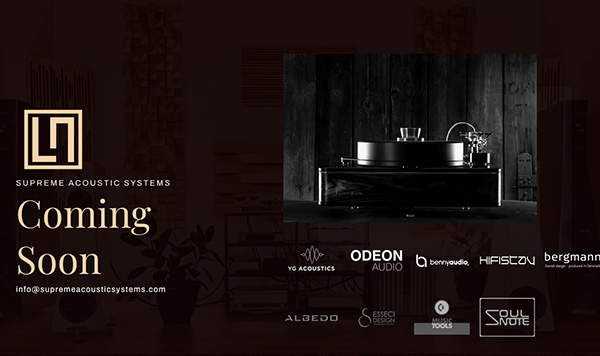
Re-Tales #48: Supreme Acoustic Systems, Distribution Done Differently
Nov 19, 2024
Traditionally in hi-fi, "distribution" refers to importing and warehousing audio equipment then delivering it as needed to a network of domestic dealers. In recent years, that model has evolved. Distributors have expanded the range of services they offer, and an increasing number of companies are skipping the distributor step altogether: dCS and T+A, among other companies, have established wholly owned subsidiaries in the US to handle importation, local warehousing, and other domestic duties. They and others have hired full-service sales and marketing agents, sometimes called "brand ambassadors." The goal, of course, is to make the practice of getting a product into the country and on the radar of dealers and customers as efficient and effective as possible.
Voxativ's Inés Adler and Christopher Owens are never caught dead empty-handed at shows. This puts me in a state of expectant glee, as their sound, regardless of genre, always resolves itself into something joyful. Even my neurotic hotel-hall dashes, pad and pen in hand, are washed away in Voxativ’s sonic tide.
One of my first stops at Capital Audiofest 2024 was the Blink High End room, which featured the debut of the Børresen C1 stand-mount speaker ($16,500) as well as the Aavik U-588 all-in-one integrated amplifier ($35,000). My first impression upon walking into the room was, "Where's all the gear?"
To Attract Young Audiophiles, Stay Out Of Their Way
Nov 17, 2024First Published:Nov 15, 2024
In the September issue of Stereophile, in this space, I proposed a way to attract more young people to hi-fi. To reach younger people with your products, I argued, speaking mainly to manufacturers, create products that have integrity about them and that also tell a story. Products with a message, products endowed with meaning. Use good materials, classic designs, historically important circuits. To improve value and performance, keep the parts count low and assembly simple. These products need to be reasonably affordable, but it's okay to ask young people to stretch for something fine. . .
After that article hit newsstands, I got feedback, much of it of the "get off my lawn" variety.
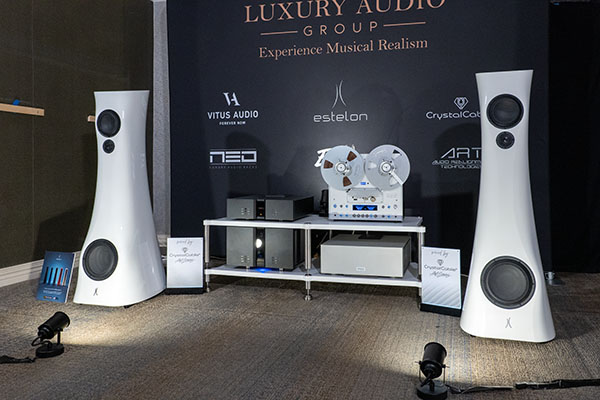
At the Capital Audio Fest 2024, the Luxury Audio Group, with a crucial assist from dealership Scott Walker Audio presented an exceptional audio system featuring the Estelon XB Diamond Mk II speakers ($63,000 per pair), the Vitus SIA-030 integrated amplifier ($51,000), the Vitus SD-025 DAC ($30,000), and the Sonorus ATR10 MkII reel-to-reel tape deck ($35,000).
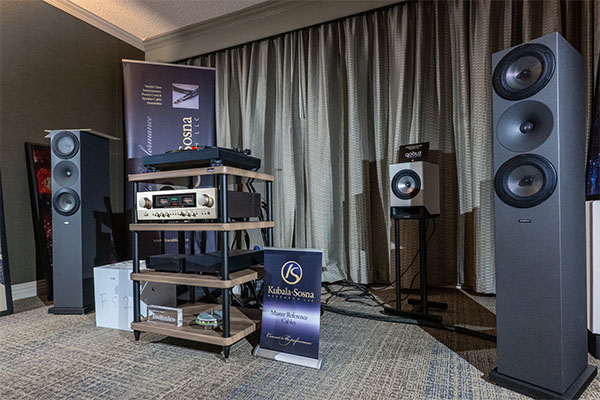
Alma Music & Audio with Technics, Innuos, Accuphase, Amphion, Hana, Kubula-Sosna, GigaWatt
Nov 16, 2024
Bill Voss of Technics was tardy to his Alma/Technics room at Capital Audiofest 2024, so Stereophile managing editor Mark Henninger and I sidled in, invited show attendees, and spun some discs. By the time Bill arrived we had a small party going.