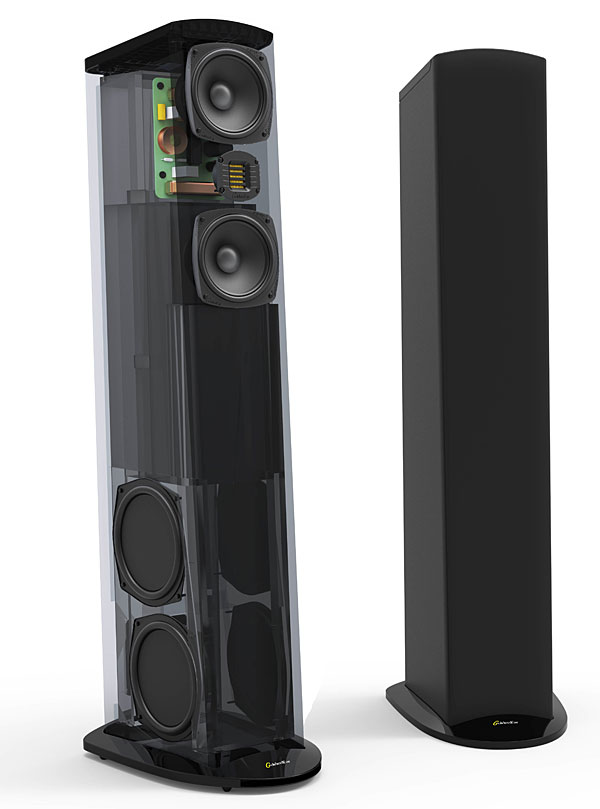
With each review I've written for Stereophile, I've redoubled my efforts to choose my adjectives prudentlyto curb my penchant for overstatement. I've been feeling a need to speak more concisely and maturely about what my ears, mind, and heart experience while listening to music through a component that's new to me. So today, at the start of this review, I ask myself: What adjectives must I use to describe the character of GoldenEar Technology's new Triton Five tower loudspeaker ($1999.98/pair)? Which words will best use our shared audiophile lexicon to give you a working vision of what I experienced?
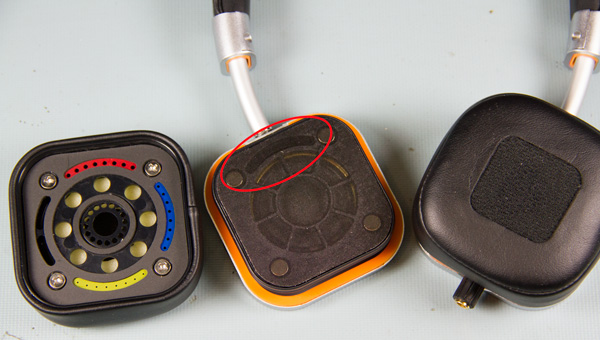
Just as John Atkinson has a special telephone on his desk, by means of which the late J. Gordon Holt expresses his displeasure at this magazine's continuing decline into latitudinarianism, my own desk is littered with a dozen or so windup timers, each set to remind me how long it's been since I last wrote about this or that hi-fi eccentricity. Each timer has its own distinctive ring: The one labeled "LOWTHER" is a bit shrill, especially at certain humidity levels, while the one marked "QUAD ESL" can be heard to best advantage only when sitting in a particular spotand even I have to admit that my "CARTRIDGE ALIGNMENT" timer seems to go off rather too often.
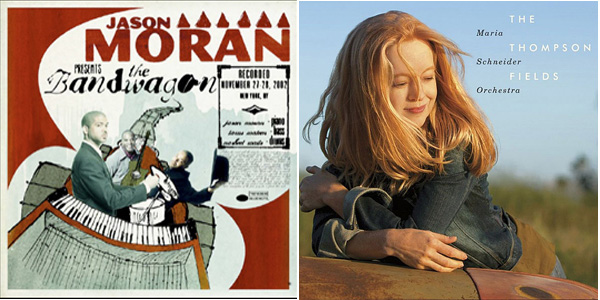
It's Thanksgiving week, which, in New York City, means that two of the best bands in jazz are playing at two of the best jazz clubs in the world: the Maria Schneider Orchestra at Jazz Standard; Jason Moran and the Bandwagon Trio at the Village Vanguard. Every set is usually packed, so make reservations now and get there early.
Live in Brooklyn this Weekend: Darcy James Argue & Secret Society
Nov 20, 2015
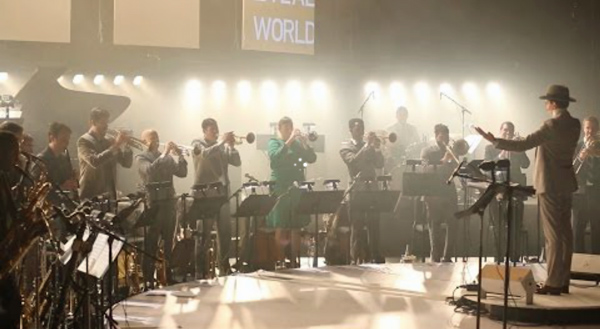
I'll need a few more listens to grasp the measure of Darcy James Argue's new big-band piece, Real Enemies, but my first impressiongleaned from its premiere at BAM's Next Wave Festival, in Brooklyn, Wednesday nightis that it's a remarkable work, maybe an oddball masterpiece: riveting, head-spinning, at once spooky and witty, abstrusely complex and foot-tappingly propulsive.