Kurt Gottschalk
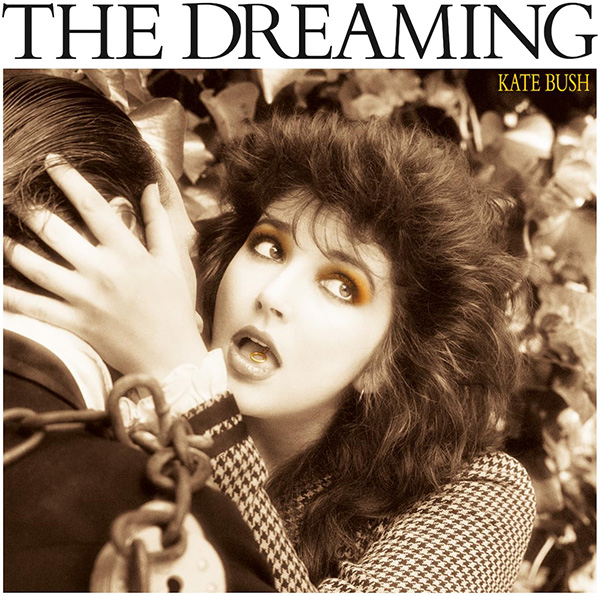 Kate Bush: The Dreaming
EMI America ST-17084 (LP). 1983. Kate Bush, prod.; Ron McMaster, eng. Kate Bush's true masterpiece has lived in the shadows of its successor for four decades, a fate worsened by the resurgence last year of the later album's "Running Up That Hill." The tribal drumming and Fairlight synth were there on The Dreaming's opening and title tracks, without the believe-in-yourself messaging. Instead, we get a thirst for knowledge and an Australian automobile accident. Elsewhere, there's bank robbers and magicians, not to mention a haunted house in the album's truly terrifying closer. It's manic, chaotic, controlled, and very musical. There's no album quite like it.
 David Bowie: [Blackstar]
Columbia 88875173862, ISO Records 88875173862 (CD). 2016. David Bowie, Tony Visconti, prods.; Erin Tonkon, Kabir Hermon, Kevin Killen, Tony Visconti, engs. When I heard the news of David Bowie's death, I had already streamed the album he released a few days earlier a half-dozen times. I'm forever glad for the certainty that my take on his swan song isn't tainted by sentiment: I was already convinced of its genius. Blackstar is both harrowing and full of love. I like long songs and monochrome sets, and the darkness of Blackstar really only compares to the Thin White Duke of Station to Station, my other favorite of his records. Both are bold dramas about moving between worlds.
Larry Greenhill
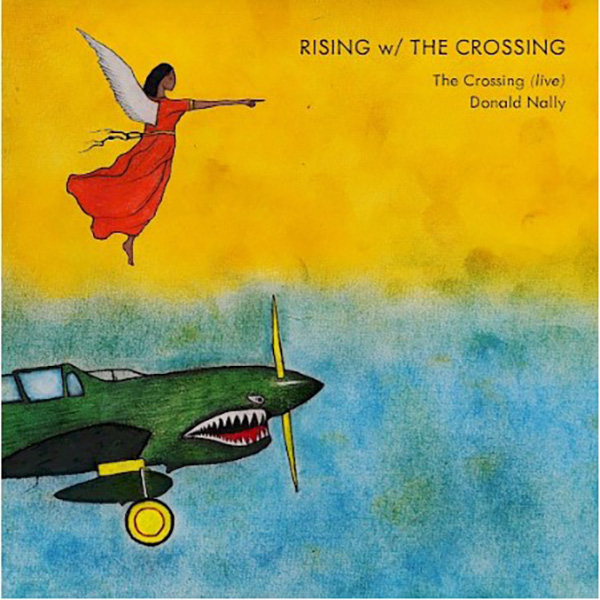 Rising W/The Crossing
International Contemporary Ensemble, Kevin Vondrak; The Crossing, Donald Nally; Quicksilver; John Greca, keyboards; Edward Babcock, marimba
New Focus Recordings FCR281 (CD). 2020. Paul Vazquez, Donald Nally, Kevin Vondrak, prods.; Vazquez, eng. The Crossing is a Philadelphia-based choral group, and The Rising refers to their effort to fill the void during the pandemic's Great Shutdown, when they were unable to perform. Donald Nally, the group's director, sent a digital music file from their archive of live recordings to friends and fellow musicians every sunrise (in Philadelphia) for two weeks, which explains the album's title. The standout track for me is Eriks Eenvalds's "Earth Teach Me Quiet," with words from a Ute prayer. The Crossing delivers Eenvalds's layered vocals suffused with reverence, calm, and a haunting quality that fills me with sadness. David Lang's "National Anthems: I. Our Land With Peace" wrapped me in intimate vocals, not the usual national-anthem bombast. "Protect yourself from infection" opens the album; it's a sardonic piece that blends Lang's solemn, religious music with words from a 1918 government document undercut by soloists reading the names of Philadelphians who died from influenza despite the advice. The effect makes the album inspiring, uplifting, and very special.
Alex Halberstadt
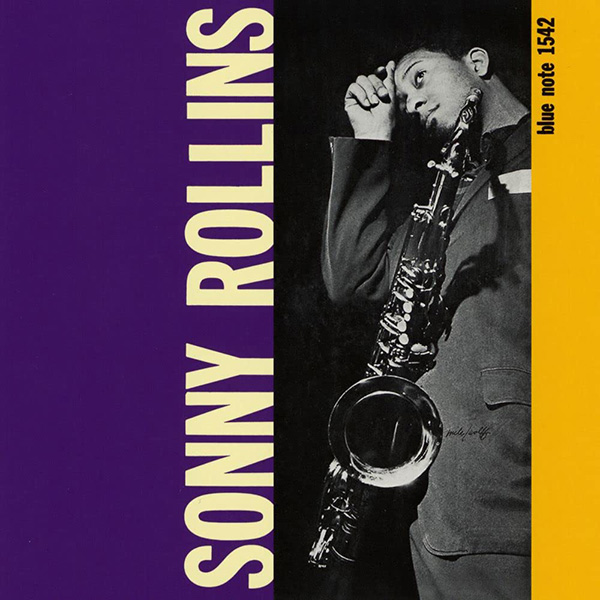 Sonny Rollins: Sonny Rollins (Sometimes Known As Sonny Rollins Vol.1)
Blue Note BLP-1542 (LP). 1957. Alfred Lion, prod.; Rudy Van Gelder, eng.
 Lou Reed: Berlin
RCA Victor APL1-0207 (LP). 1973. Bob Ezrin, prod.; Peter Flanagan, Robin Black, Randy Kling, others, engs. There's an uneasy ambiguity in much of Lou Reed's solo work that may be its defining feature. The music teeters between banality and flashes of genius. The lyrics embody a perverse interest in transgression as well as visceral anguish. This is no place for listeners looking for consistency and polish. Berlin is the record that captures these extremes most acutely. An orchestral rock cabaret, it follows a doomed couple named Caroline and Jim through episodes of spousal battery, addiction, prostitution, child abuse, and suicide so ghoulish that the whole thing skates on the edge of parody. Yet these episodes are shot through with vivid writing, tar-black humor, and glimpses of ravishing beauty. The musical settings encompass everything from arena rock and prog soundscapes to musique concrète. One of those albums that evolve in the mind with each subsequent listen, Berlin never gets easier. Reed may have been on to something when he said, "Maybe listening to my music is not the best idea if you live a very constricted life."
Andrey Henkin
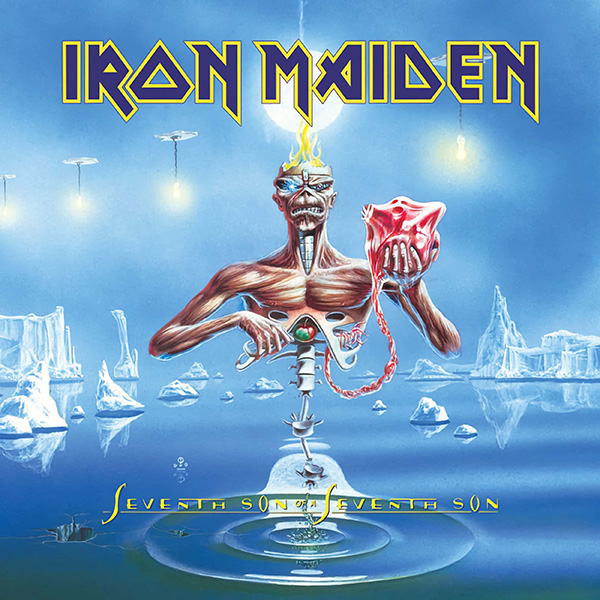 Iron Maiden: Seventh Son Of A Seventh Son
Capitol C4-90258 (cassette). 1988. Martin Birch, prod., eng. All of the phenomenal songcraft and long-form narrative found in earlier individual songs—"To Tame a Land," "Rime of the Ancient Mariner," and "Alexander the Great"—on Iron Maiden's previous three releases come together in its sole foray into the concept-album genre. Loosely inspired by Orson Scott Card's 1987 fantasy novel Seventh Son, this was the band's first nonlive recording that conveyed the epicness of an Iron Maiden concert. The title track is one of the finest compositions from bassist/bandleader/ main songwriter Steve Harris in the group's catalog, but it is the unusually collaborative process by which the album was written that makes it the band's most complete and successful effort.
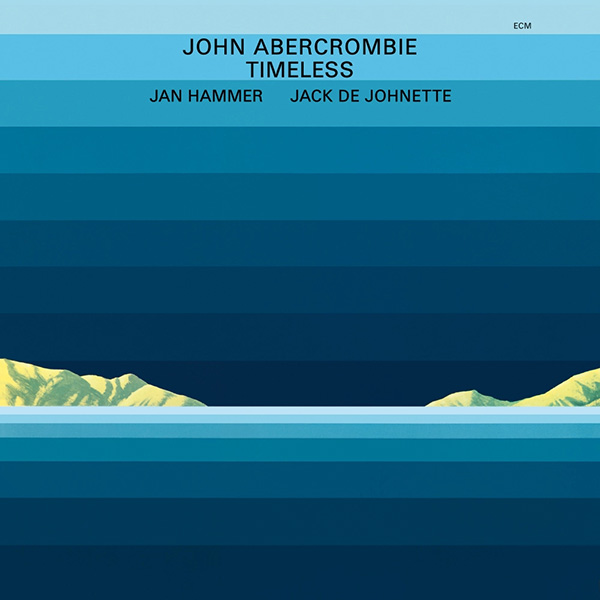 John Abercrombie: Timeless
John Abercrombie, guitar, comp.; Jan Hammer, keyboards, comp.; Jack DeJohnette, drums
ECM 1047 (LP). 1974. Manfred Eicher, prod.; Tony May, eng.
Jon Iverson
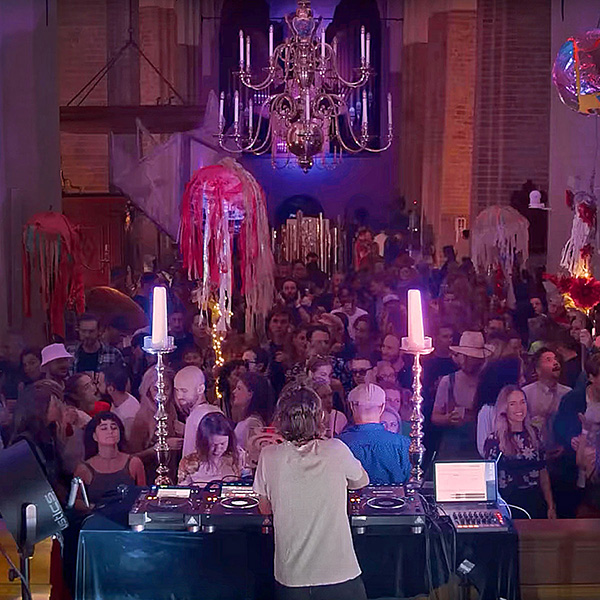 El Búho: El Búho Live At Watdajel, Utrecht
YouTube. 2022. Self-produced, Self-released. bit.ly/ElBuhoLive Yes, it's a video and yes, it's a deejay standing there pushing buttons and bouncing his head to the beats. You can ignore that part and just let the music run for an hour and a half. Recorded at the Watdajel festival in Utrecht, Netherlands, in late 2022, El Búho (Robin Perkins from England) creates much of this music in his studio and then mixes it live with other sources. In this set, his musical taste and skillful slicing and dicing of birdsong alongside Latin American acoustic and electronica is excellent. El Búho also has many wonderful studio albums on Bandcamp. I'm old enough to remember the best underground FM deejays artfully stringing tracks together in the '60s and '70s (we called them "segues" back then). In this video, the art of sequencing music has evolved further using the tech and broadcast media of today.
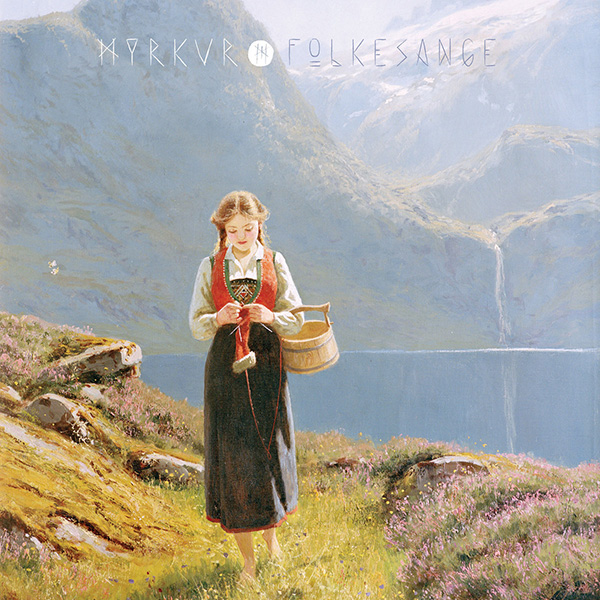 Myrkur: Folkesange
Relapse Records (16/44.1 Bandcamp download). 2020. Christopher Juul, prod., eng. Myrkur (Amalie Brun) is renowned primarily as a Danish black-metal artist. This is not that Brun. There are no thrashing guitars and as far as I know, no references to the devil. Instead, she renders a modern spin on Nordic folk music using period acoustic instruments filtered via her metal sensibility. Evocative of dark Nordic winters, brief idyllic springtimes (depicted on the cover), and towering rocky cliffs, much of this album is somber—Myrkur is Icelandic for "darkness." Underpinned by a deep bass drum that punctuates the thrumming mandola, lyre, tagelharpa, and nyckelharpa, Amalie Brun's often-soaring voice alternates between sweet and severe just like the landscapes where these songs originate.
Anne E. Johnson
 Stravinsky: Petrouchka (Complete)
Antal Doráti and Minnesota Symphony Orchestra
Mercury Living Presence SR90216 (LP). 1959. Wilma Cozart, prod.; C. Robert Fine, eng. There are many great recordings of Petrouchka, but this one introduced me to the complete ballet, which remains one of my favorite 20th century pieces. Doráti approaches the recurring "Shrovetide Fair" theme with less seriousness than many conductors, recreating how the senses get overwhelmed in a crowded carnival atmosphere. There's delight and wonder, but always with a dark undertone.
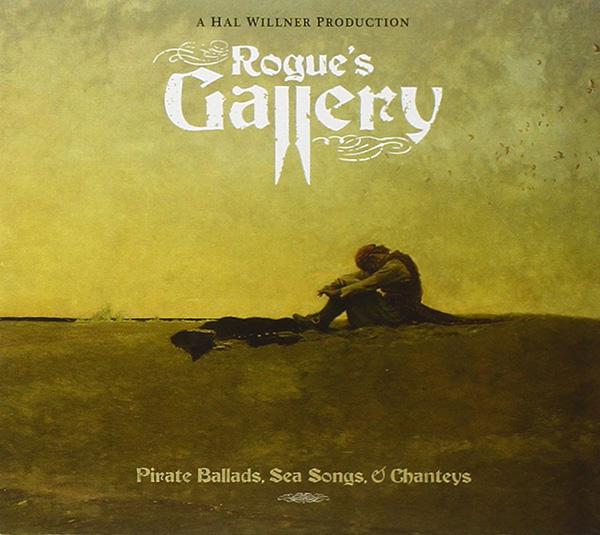 Various Artists: Rogue's Gallery: Pirate Ballads, Sea Songs, and Chanteys
Anti-Records 86817-2 (2 CDs). 2006. Hal Willner, prod.; Martin Brumbach, mixing. When director Gore Verbinski and actor Johnny Depp were working on the second Pirates of the Caribbean movie, a side project developed. They hired record producer Hal Willner to put together a two-CD set of seafaring songs for Anti-Records. (They ended up with so many great tracks that some were later released as Son of Rogue's Gallery.) Besides the wonderful collection of rousing, rowdy, and heartrending songs, the lineup of talent is preposterous. Richard Thompson beckons the waves on "The Mingulay Boat Song." John C. Reilly contemplates the wisdom found from drinking. Rufus Wainwright and his mom, Kate McGarrigle, personify homesickness. In a pairing we didn't know we needed, Bryan Ferry and Antony (now known as Anohni) croon a haunting duet. Everything sung by Jack Shit would make a sailor blush. And then there are the tracks by Martin Carthy, Sting, Lou Reed, Bono, Jarvis Cocker, Van Dyke Parks, and on and on.