 Setup and software challenges
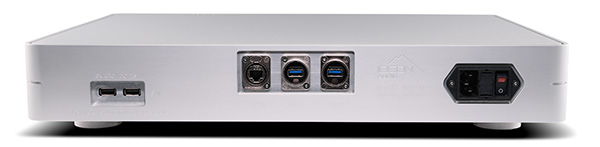
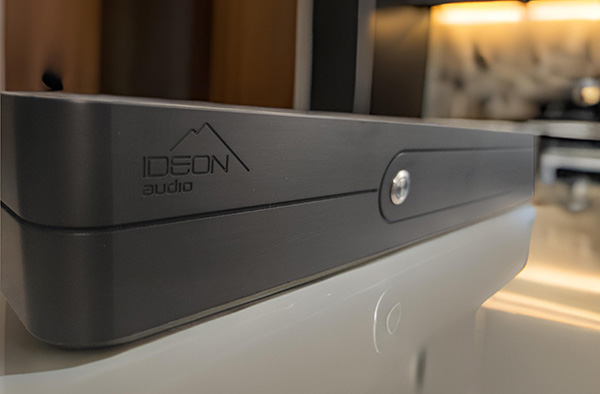
I placed the Absolute Stream on the top shelf of my Grand Prix Monza double rack, on the same Wilson Audio Pedestals I use under my reference streamer. Streaming data was delivered to the Absolute Stream from a Small Green Computer/Sonore opticalModule Deluxe via the Innuos PhoenixNet reclocking network switch. Output from the Absolute Stream was delivered to the dCS Vivaldi Upsampler Plus via the Absolute Stream's USB audio output. The Absolute Stream has two USB outputs intended for audio, one of which supplies 5V to the receiving device and one that doesn't. I started with what I considered the obvious choice for use with the dCS Vivaldi system, the one without 5V, but with that choice, the connection dropped repeatedly. After consultation and some experimentation, I ended up using the 5V output. With this output, the connection remained stable. It took me all of 30 seconds to conclude that Ideon's software yielded sound that was more transparent, color-saturated, and involving than the sound produced with the Absolute Stream running Roon. Roon may allow me to stream Tidal and Qobuz and to search more efficiently and expeditiously, but this audiophile/critic chose better sonics over convenience and bid Roon and Tidal a temporary adieu.
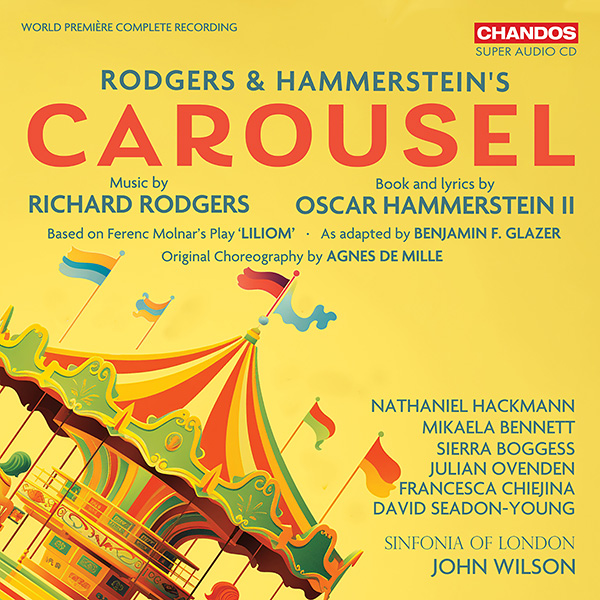 As a test, I sent prerelease WAV files for Rodgers & Hammerstein's two-disc album Carousel and an enticing single-disc Stravinsky compilation to Ermidis for metadata massage; neither was listed yet in MusicBrainz, etc. When Ermidis returned the files, he assured me they would display correctly, but in the context of my system the Ideon software broke Carousel into perhaps 20 folders, none displaying cover art, and the Stravinsky into three; all three Stravinsky folders displayed the correct cover art. I don't know why WAV fields that displayed perfectly in Greece would not pass the sniff test in Port Townsend. In any case, when I used XLD to convert these files to FLAC—I also renamed the cover art "Cover.jpg" and the booklet "booklet.jpg"—the albums displayed perfectly (footnote 7).
Software limitations aside, the Ideon Absolute Stream meta edition (2024), running its own software, delivered clearer, more involving sound than any other music server or streamer I've heard in my reference system. Especially with vocals and acoustic instruments, it let me hear emphases, nuances, shading, and spatial information that previously had remained hidden. Time and time again, I sat spellbound, mesmerized by the depth of musical genius it shared.
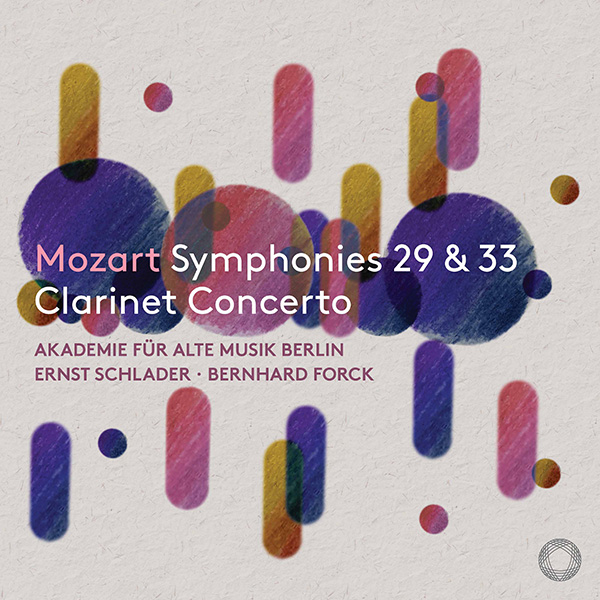 The Absolute Stream delivered sound that was transparent, fresh, and alive. I began listening with a recording I soon chose to review for the October issue, Mozart Symphonies Nos.29 & 33; Clarinet Concerto, performed by Akademie für Alte Musik Berlin and their bass clarinetist, Ernst Schlader, under concertmaster Bernhard Forck (24/96 FLAC download, Pentatone). I loved how the Absolute Stream meta edition (2024) showcased period instrument timbres, and how its superb depiction of depth drew me deep into the glories of Mozart's music.
The midrange and bass were warm and full, more than I'd ever heard through a music server. Timbres were more fully fleshed out, and the bottom line of the music—its foundation, from which all else springs alive and free—was clearer and firmer. As I marveled at every sound Forck produced from his period authentic basset clarinet, I discovered the Clarinet Concerto's Adagio so beautiful, heartfelt, and limpidly rendered that I could not stop listening.
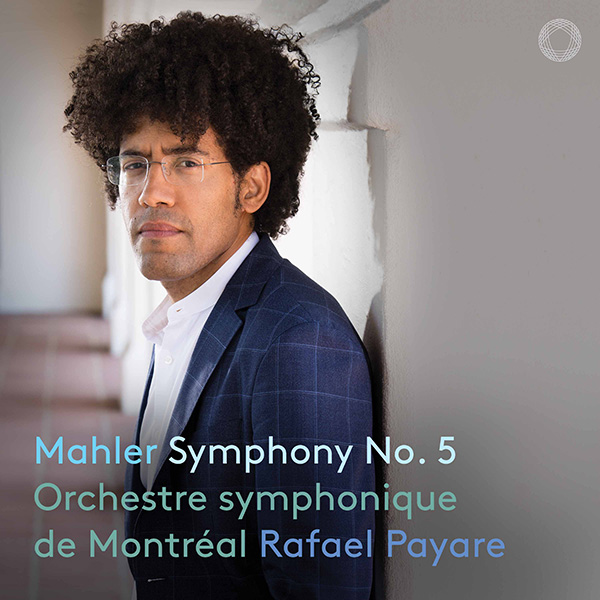
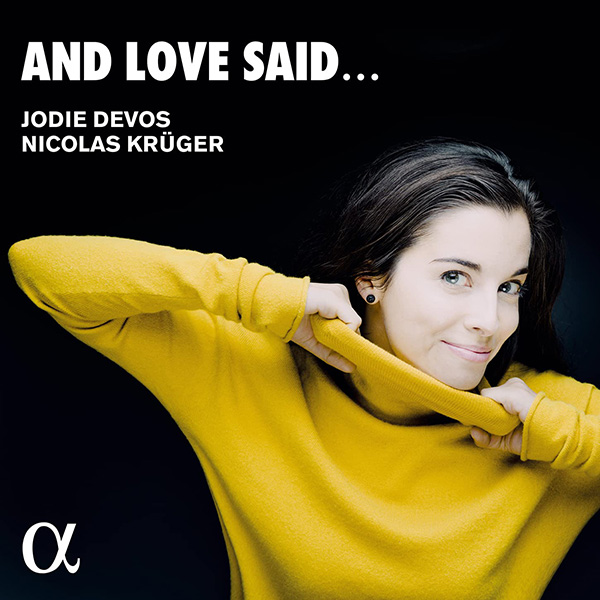
Soprano Jodie Devos was in her mid-30s when she died from breast cancer. As many times as I've listened to her very personal rendition of Freddie Mercury's "You Take My Breath Away," the last track on her 2021 solo recital, And Love Said (24/96 FLAC download, Alpha), it had never seemed as personal and intimate as it did through the Ideon Absolute Stream. When I switched gears and cued up Rafael Payare and the Orchestre Symphonique de Montréal's recording of Mahler's Symphony No.5 (24/96 FLAC download, Pentatone), I realized it had never sounded as full and rich as it did through the Ideon Absolute Stream. The only disruptions to my musical bliss were software-related.
The Absolute Stream delivered sound that was transparent, fresh, and alive. I began listening with a recording I soon chose to review for the October issue, Mozart Symphonies Nos.29 & 33; Clarinet Concerto, performed by Akademie für Alte Musik Berlin and their bass clarinetist, Ernst Schlader, under concertmaster Bernhard Forck (24/96 FLAC download, Pentatone). I loved how the Absolute Stream meta edition (2024) showcased period instrument timbres, and how its superb depiction of depth drew me deep into the glories of Mozart's music.
The midrange and bass were warm and full, more than I'd ever heard through a music server. Timbres were more fully fleshed out, and the bottom line of the music—its foundation, from which all else springs alive and free—was clearer and firmer. As I marveled at every sound Forck produced from his period authentic basset clarinet, I discovered the Clarinet Concerto's Adagio so beautiful, heartfelt, and limpidly rendered that I could not stop listening.
Soprano Jodie Devos was in her mid-30s when she died from breast cancer. As many times as I've listened to her very personal rendition of Freddie Mercury's "You Take My Breath Away," the last track on her 2021 solo recital, And Love Said (24/96 FLAC download, Alpha), it had never seemed as personal and intimate as it did through the Ideon Absolute Stream. When I switched gears and cued up Rafael Payare and the Orchestre Symphonique de Montréal's recording of Mahler's Symphony No.5 (24/96 FLAC download, Pentatone), I realized it had never sounded as full and rich as it did through the Ideon Absolute Stream. The only disruptions to my musical bliss were software-related.
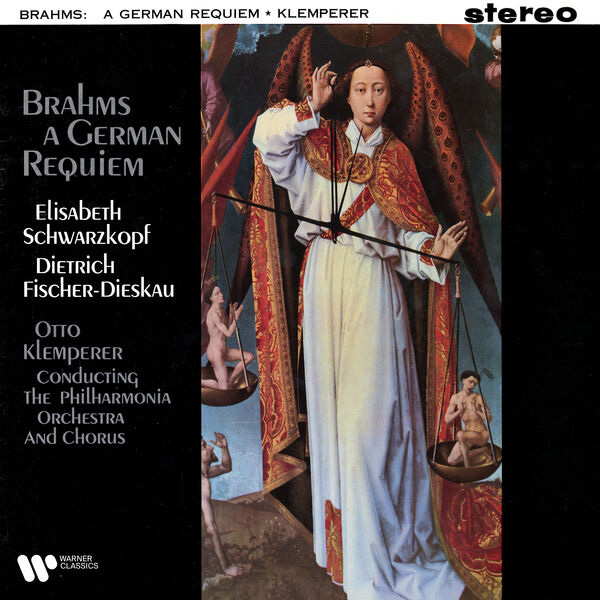
 In Roon, I could easily conduct a Qobuz search to meet a friend's request to hear, of all things, Rudy Vallee's famed recording of "Winchester Cathedral." No such luck with Ideon's own software despite various search strategies; Ideon's search function seems to replicate the weakness of Qobuz's own. On another occasion, I tried to find a live recital by Elisabeth Schwarzkopf on Qobuz; Ideon's software provided some 15 Schwarzkopf folders to search inside. Some contained a single album, and some were empty.
I never found the recital, which displayed immediately when I searched for "Elisabeth Schwarzkopf" in Roon.
In Roon, I could easily conduct a Qobuz search to meet a friend's request to hear, of all things, Rudy Vallee's famed recording of "Winchester Cathedral." No such luck with Ideon's own software despite various search strategies; Ideon's search function seems to replicate the weakness of Qobuz's own. On another occasion, I tried to find a live recital by Elisabeth Schwarzkopf on Qobuz; Ideon's software provided some 15 Schwarzkopf folders to search inside. Some contained a single album, and some were empty.
I never found the recital, which displayed immediately when I searched for "Elisabeth Schwarzkopf" in Roon.
 Absolute Stream + Alpha Wave = excellence
No matter how many times the Ideon folks told me that the Alpha Wave was optional, their clear conviction that USB in as well as out of the Absolute Stream would provide the best sound compelled me to try it. I also knew that if I used it instead of the Innuos PhoenixNet, I'd be able to send signal to the Absolute Stream at the 1GB speed it seemed to prefer (footnote 8).
 Just as some people follow rock stars around the globe or line up days in advance for tickets to their favorite artists on tour, so am I one of those opera queens who would metaphorically prostrate themselves before the feet of great vocalists. In such a spirit did I turn to Julia Bullock's award-winning 2022 recital with Christian Reif, Walking in the Dark (24/192 download, Nonesuch), and play her sparsely accompanied performance of Oscar Brown Jr.'s "Brown Baby." From the soulful profundity of her lower range, I transitioned to "Memorial de Tlatelolco," from John Adams's El Niño, and listened to her sing out full over multiple octaves. Days later, I continue to hear this music in my head as I write these words. The impact of the opening orchestral exclamation and Bullock's subsequent octave leaps courses on repeat through my brain and body (footnote 9).
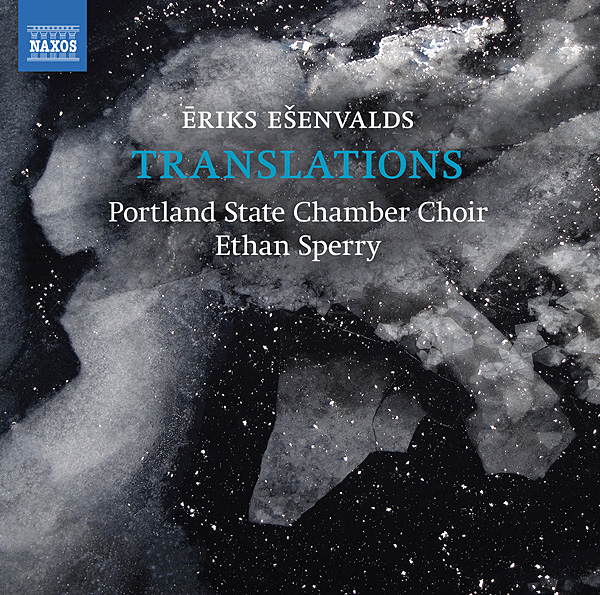 Would you like to hear how different Alexander Melnikov's seven different historic pianos sound on his landmark recording, Fantasie: Seven Composers, Seven Keyboards (24/96 FLAC download, Harmonia Mundi), or how magnificently John Atkinson captured the Portland State Chamber Choir's warm bath of sound on Translations (24/96 FLAC, Naxos/Qobuz), their recording of choral music by Eriks Eenvalds? If you want to groove like never before to the delightful sounds of Yusef Lateef most likely singing "doo, doo, doo" into his flute on "The Plum Blossom," the opening track on his wonderful album, Eastern Sounds (24/192 FLAC, Craft Recordings/Qobuz, remastered in 2023), you now know which server may serve you best.
 Summing up
Never before have I reviewed a stand-alone streamer/server so accomplished in the hardware department, yet so behind the best in software implementation. True, my review collection has been limited to five or six server/streamers from Innuos, Aurender, Antipodes, and Roon, many of whose initial software releases also cried out for improvement. But as the years have progressed, each of those companies has made great strides in software design while also upgrading their hardware.
Footnote 7: There are many apps, including some that are excellent and free, that allow you to bulk-convert WAV files to FLAC. If you are concerned about paying a sonic penalty—opinions differ on this—you can choose FLAC compression level 0. Even those who insist that different lossless digital files can sound different (presumably due to different levels of electronic noise generated during decompression) generally agree that FLAC 0 is indistinguishable from WAV.—Jim Austin