Tube Preamp Reviews

Sort By:  Post Date TitlePublish Date

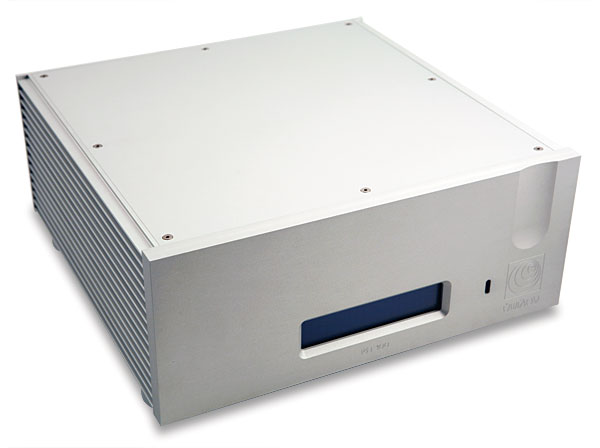
Audio Research LS8 line preamplifier

While high-priced equipment can easily acquire stature on grounds of outright performance and physical appearance, we critics have more admiration for genuine achievement at lower price levels. One such product was the all-triode SP8 preamplifier from Audio Research, launched back in 1982 and priced at $1400. This classically tasteful preamplifier came equipped with a medium-sensitivity phono equalizer and the usual tape and line inputs.
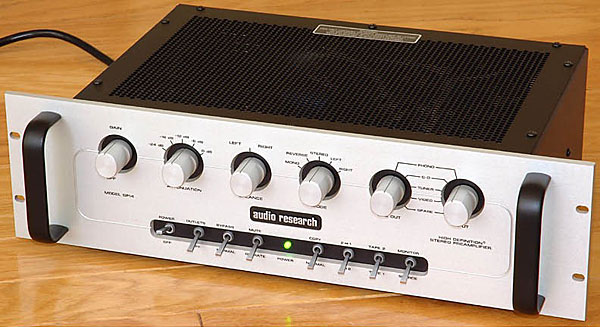
Audio Research SP14 preamplifier

The name "Audio Research" will be familiar to many readers of this magazine. It belongs on the list of that select group of manufacturers who continue to offer the audiophile and music lover equipment which enables him or her to truly enjoy the muse. With equipment of this caliber, one is no longer caught up in the anxiety-inducing process of listening to (evaluating) the equipment used in the presentation of the music. Instead, the listener can focus attention on the much more important message uncovered in the music via the performance and conveyed through the network of transducers, cables, tubes or FETs, more cables, more tubes or FETs, and more transducers, to the brain. If this process has been successful and our sensitivities heightened, our souls will be touched.

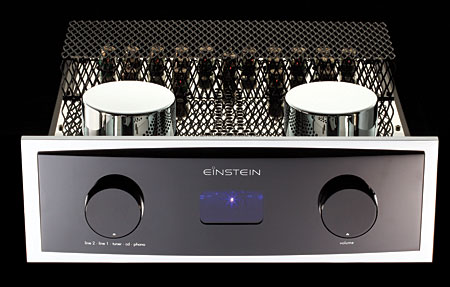
Einstein Audio Components The Tube Mk.II preamplifier

It doesn't take a genius to appreciate the audacity of naming a company after Albert Einstein, the iconic science and math whiz. Clearly, company founder and owner Volker Bohlmeier knew what he was doing—this German brand of boutique electronics has enjoyed worldwide critical and marketplace success since its founding more than 20 years ago.

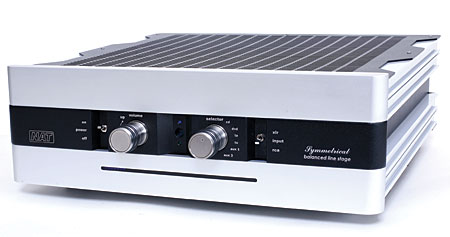
NAT Symmetrical line preamplifier

Sometimes, a product review in Stereophile can breed additional reviews. Shortly after I reviewed the Audio Valve Conductor line stage in the July">http://www.stereophile.com/tubepreamps/audio_valve_conductor_preamplifi… 2009 issue (Vol.32 No.7), I was contacted by NAT's US distributor, Musical Sounds: "Hey, if you liked the Audio Valve Conductor [$13,995], you'll love the NAT Symmetrical line stage at $8000! Would you like to review it?" Aside from Michael Fremer's review of the battery-powered NAT Signature Phono stage in the July 2007 issue, I was unfamiliar with this Serbian maker of tube electronics. But "Sure," I replied; "why not?"

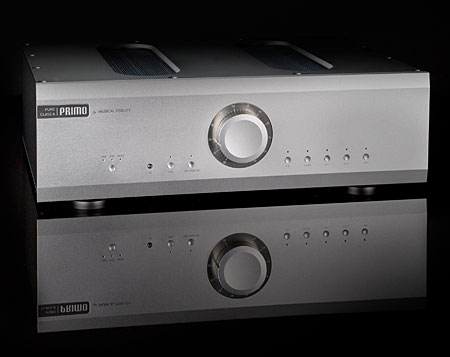
Musical Fidelity AMS Primo line preamplifier

Musical Fidelity's Tri-Vista kWP, introduced in 2003, was an impressive, high-tech, "statement" audiophile preamplifier. Its outboard power supply weighed almost 56 lbs—more than most power amplifiers—and its hybrid circuitry included miniature military-grade vacuum tubes. As I said in my">http://www.stereophile.com/solidpreamps/104mf">my review of it in the January 2004 Stereophile, the kWP's chassis and innards were overbuilt, the measured performance impressive, and any sonic signature imposed on the signal was subtle and, essentially, inconsequential.

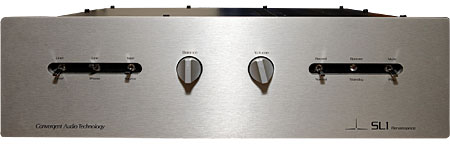
Convergent Audio Technology SL1 Renaissance preamplifier

"Are You a Sharpener or a Leveler?" was the title of my "As">http://www.stereophile.com/asweseeit/are_you_a_sharpener_or_a_leveler">… We See It" in the February 2009 issue. The terms sharpening and leveling come from work in the field of perception by the early Gestalt psychologists, sharpening referring to the exaggeration of perceived differences, leveling to the minimization of those differences.

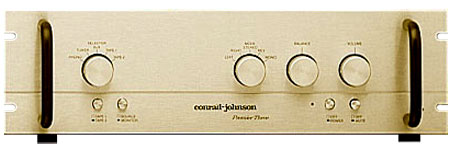
Conrad-Johnson Premier 3 preamplifier

It says something for the state of technology that, after a quarter of a century, there still is no authoritative explanation for why so many high-end audiophiles prefer tubes. Tubes not only refuse to die, they seem to be Coming back. The number of US and British firms making high-end tube equipment is growing steadily, and an increasing number of comparatively low-priced units are becoming available. There is a large market in renovated or used tube equipment—I must confess to owning a converted McIntosh MR-71 tuner—and there are even some indications that tube manufacturers are improving their reliability, although getting good tubes remains a problem.

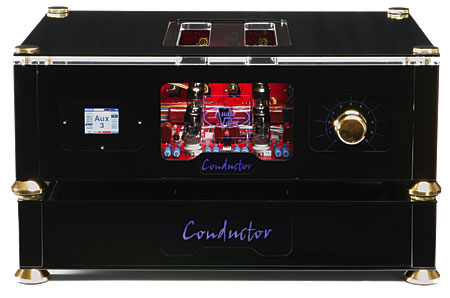
Audio Valve Conductor preamplifier

We audio writers have our niches. Mikey loves analog, Artie likes to play with horn speakers and assorted oddball British kit, and I really enjoy reviewing affordable speakers. There's something exciting about hearing the fruits of the labors of a creative designer who's applied his talents to meet a stringent price point and created a speaker that can entice into our hobby the financially challenged music lover.

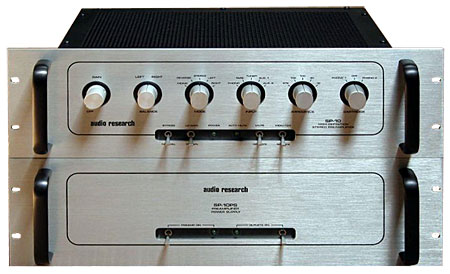
Audio Research SP-10 preamplifier

It says something for the state of technology that, after a quarter of a century, there still is no authoritative explanation for why so many high-end audiophiles prefer tubes. Tubes not only refuse to die, they seem to be Coming back. The number of US and British firms making high-end tube equipment is growing steadily, and an increasing number of comparatively low-priced units are becoming available. There is a large market in renovated or used tube equipment—I must confess to owning a converted McIntosh MR-71 tuner—and there are even some indications that tube manufacturers are improving their reliability, although getting good tubes remains a problem.

Audio By Van Alstine Super-PAS Three preamplifier

If I had to pick one amplifier designer as having had the greatest continuing influence on the high-end market, as much as I admire John Curl, Audio Research's Bill">http://www.stereophile.com/interviews/894z">Bill Johnson, and Krell's Dan">http://www.stereophile.com/interviews/1203dagostino">Dan D'Agostino, the name of David">http://www.stereophile.com/news/11661">David Hafler inexorably springs to mind. Not because he challenged the very frontiers of hi-fi sound, but because he combined a fertile, creative mind (footnote 1) with a need to bring good sound to as wide an audience as possible, both by making his products relatively inexpensive and by making them available as kits. (The Major Armstrong Foundation apparently agrees with me—they presented David with their "Man of High Fidelity" award at the summer 1988 CES.) It remains to be seen if the Hafler company will continue in this tradition, now that David has sold it to Rockford-Fosgate. But there is no doubt that many audiophiles were first made aware of the possibilities of high-end sound by Hafler products in the late '70s, and by Dynaco in the '60s.

Advertisement
Advertisement
Advertisement