Stand Loudspeaker Reviews

Sort By:  Post Date TitlePublish Date

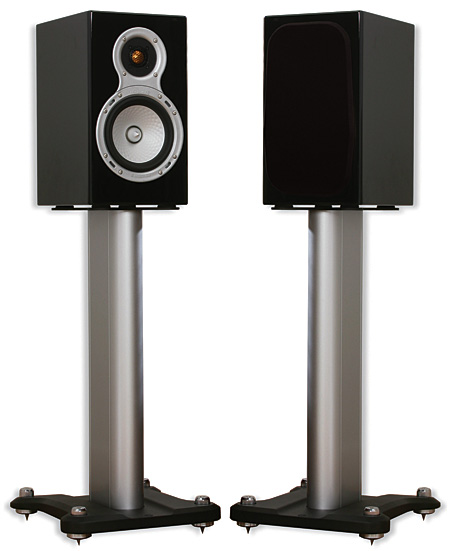
AAD Reference Silver-1 loudspeaker

Bookshelf loudspeaker. The phrase may be common usage, but I really dislike describing small speakers as "bookshelf" models. Place a pair of high-performance minis on a bookshelf against the wall and you destroy much of the sound quality for which you've paid. Yet place the same speakers on good stands well away from room boundaries, and while it could be argued that their footprint is no smaller than a conventional tower speaker, with the best designs you'll get true high-end sound, particularly regarding the accuracy of midrange reproduction and the stability of stereo imaging.

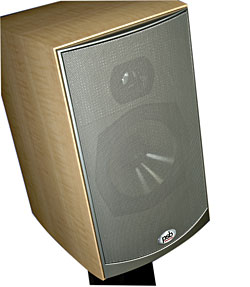
PSB Alpha B1 loudspeaker

When audiophiles speak of the "Golden Age" of audio components, they almost always are talking about amplifiers and preamplifiers, not loudspeakers. While a very few speaker models have stood the test of time—among them the BBC">http://www.stereophile.com/standloudspeakers/361">BBC LS3/5a, the Vandersteen">http://www.stereophile.com/floorloudspeakers/914">Vandersteen 2, the original">http://www.stereophile.com/artdudleylistening/706listening">original Quad electrostatic and the Quad">http://www.stereophile.com/floorloudspeakers/416">Quad ESL-63, some of the Magnepans, and the Klipschorn—almost no one would disagree that, taken en masse, the speakers of today outperform not just those of the 1960s and 1970s but even those of the 1980s and 1990s. The advent of low-cost, computerized test equipment, high-quality, inexpensive measuring microphones, and persuasive research into what measured parameters matter most to listeners who are listening for a neutral-sounding, uncolored loudspeaker (footnote 1), has led to an almost across-the-board improvement in speaker sound quality (footnote 2).

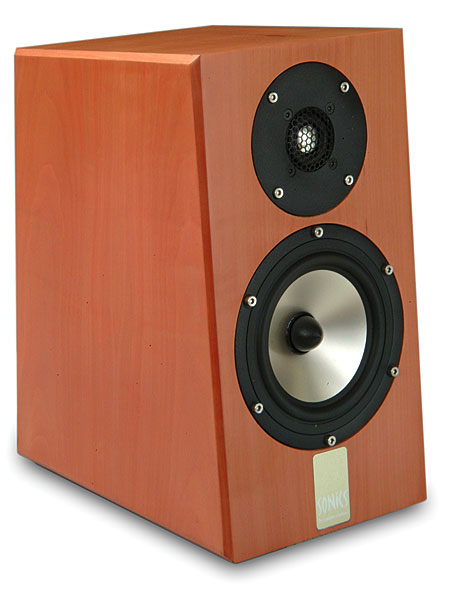
Snell Type K/II loudspeaker

In some ways, building an inexpensive yet musical two-way loudspeaker is a greater design challenge than creating a cost-no-object reference product. Although the latter is a much more complex endeavor, the venerable two-way box seems to bring out the creativity and resources of the designer. Rather than throw money at the product in the form of more expensive drivers, enclosures, or components, the designer of a low-cost two-way is forced to go back to the basics, rethink closely-held tenets, and rely on ingenuity and sheer talent to squeeze the most music from a given cost. Consequently, the inexpensive two-way is the perfect vehicle for designers to develop their skills. If one has mastered this art form, one is much more likely to achieve success when more ambitious designs are attempted.

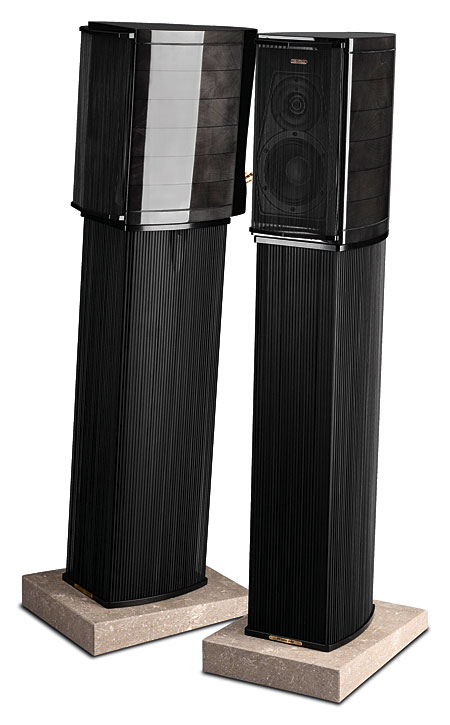
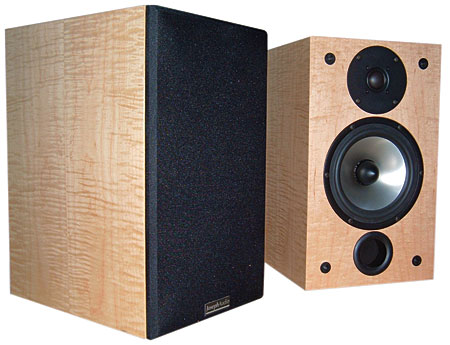
Joseph Audio RM7XL Special Edition loudspeaker

Jeff Joseph always causes a stir at Stereophile's annual Home Entertainment Shows. No matter which speakers he exhibits, he invariably gets wonderful sound in his room. He's fooled more than one Stereophile writer who thought he was listening to Joseph's flagship Pearls when, behind a curtain, it was actually two of his in-wall models that were playing. And his competitors seem to envy his hi-fi show sound more each year.

Spica TC-60 loudspeaker

As far as I can tell, Santa Fe–based speaker engineer John">http://www.stereophile.com/interviews/694">John Bau had designed but four commercial loudspeakers before the TC-60 was launched at the 1994 Winter CES: in order of appearance, they were the Spica SC50i (1980), the TC-50http://www.stereophile.com/standloudspeakers/446">TC-50; (1983), the Angelushttp://www.stereophile.com/floorloudspeakers/693">Angelus; (1987), and the SC-30 (1989). None were expensive, and all garnered much praise, both in Stereophile's pages and elsewhere.

Era Acoustics Design 4 loudspeaker & SUB10 subwoofer

The first time I attended the Las Vegas Consumer Electronics Show, in January 1986, I didn't get there until the second day of the Show. Still, by the beginning of the fourth and final day I'd managed to visit every high-end audio exhibit, and still had time to go back for seconds to the rooms that had sounded the best. Twenty years later, CES has grown so much that it's impossible for a single writer to visit even a quarter of the exhibits in which he might be interested. And even with the sort of team">http://blog.stereophile.com/ces2007/">team reporting Stereophile now practices, covering the Show has become an exercise in applied logistics for the busy journalist: "Should I wait for the free shuttle bus? Should I get a taxi—though I might get caught in Las Vegas's increasing traffic jams, or even just get stuck at the city's interminable traffic lights? Or should I take the new monorail—though that goes nowhere near the hotel in which [insert name of hot company] is demming its products?"

Advertisement
Advertisement
Advertisement