Stand Loudspeaker Reviews

Sort By:  Post Date TitlePublish Date

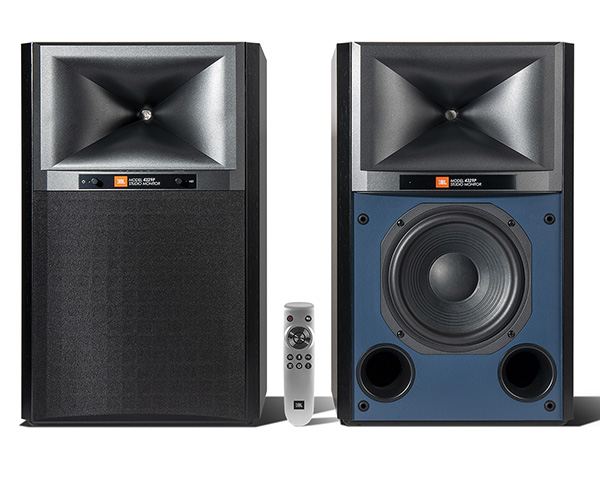
JBL 4329P active loudspeaker

Hi-fi is at a crossroads. One road takes us toward modernized versions of the gear we grew up with, stuff that has been around since the 1950s. The other road faces the future. While sometimes accommodating physical media, including vinyl records, that's not where that road leads. On that road, streaming is the norm, and equipment may be hooked up with traditional signal cables or with no cables at all, just GHz-range electromagnetic radiation, the digital kind. In the more extreme cases, the music may remain digital all the way to the amplifiers, which themselves are likely to be class-D.

I keep a foot on both paths, hoping they don't diverge so much that they split me in two. I've got a substantial collection of physical discs, black and silver, and I play them often. But I love the convenience of my network-attached storage (NAS) appliance, Qobuz, even lossy Spotify, especially when I want my world filled with music for hours with no thought or action on my part.

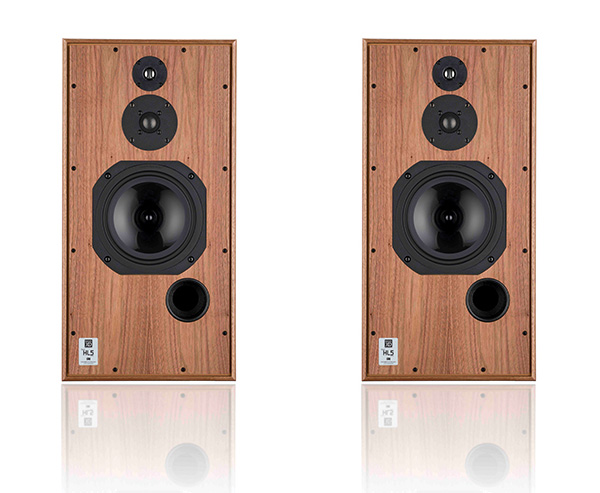
Harbeth Super HL5plus XD loudspeaker

What Were Once Vices Are Now Habits—the 1974 album by those San Jose yacht-rock sages the Doobie Brothers—could also describe an audiophile's life.

The journey begins with booze and bong money spent instead on an entry-level turntable and cartridge; it did for me anyway. Then starts the churn, through many components and configurations seeking that elusive, blissful audio fix until finally we find our audio oasis, our own sonic peace, our gearhead nirvana. We achieve a system that satisfies our listening indulgences, whether it be based on streaming or spinning, class-D or tubes, with Belden wire or 0.999999% pure-silver single-strand wire that costs more than a Range Rover. It doesn't last.

MoFi Electronics SourcePoint 8 loudspeaker

When I got these new speakers for review, they were so new that, at the time I unpacked them, no official user manual was included or posted on the manufacturer's website, and the promised matching stands didn't exist. Yet, I have the abiding feeling that I am getting to the party long after it has started. The Mobile Fidelity SourcePoint 8 is the newer, smaller sibling of the SourcePoint 10 reviewed by John Atkinson in Stereophile's February 2023 issue, with a follow-up by Ken Micallef in June.

Four Recent Follow-Up Reviews

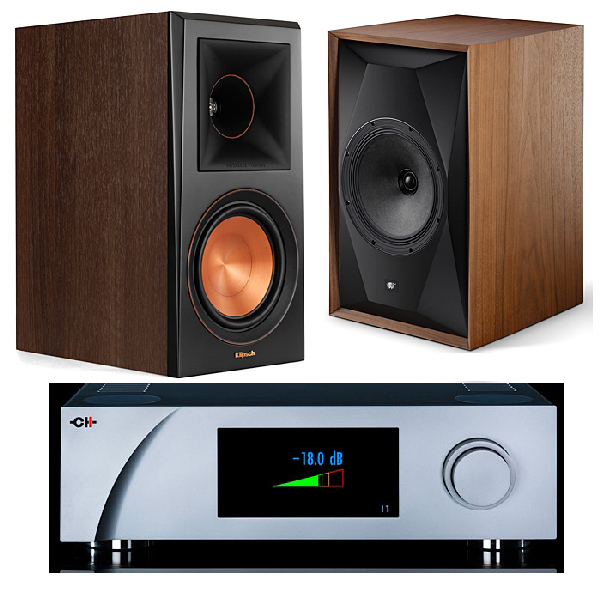
Four products were subjected to second opinions in recent issues: Herb Reichert reviewed the Mk.II version of Klipsch's Reference Premiere RP-600M loudspeaker (above left); Ken Micallef wrote about his time with the MoFi Electronics SourcePoint 10 loudspeaker (above right); John Atkinson lived with the CH Precision I1 Universal integrated amplifier (above); and Julie Mullins auditioned Triangle's Antal 40th Anniversary Edition loudspeaker.

Acelec Model One loudspeaker

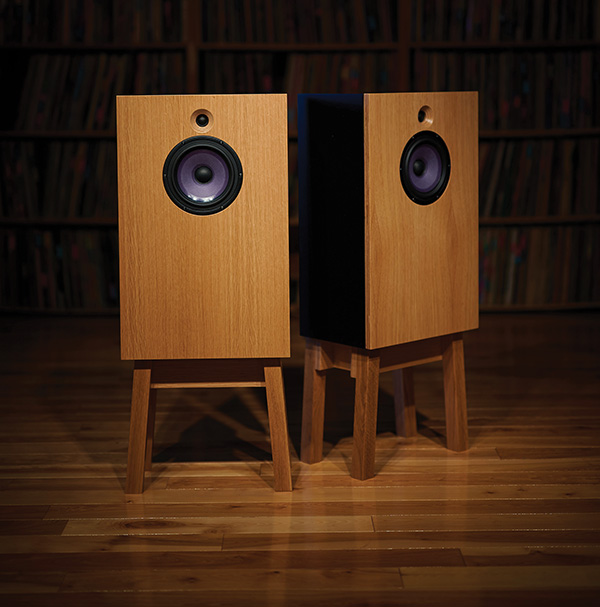
The Acelec Model One speakers I'm auditioning ($6495/pair) are not princesses in pink, or frog green, or made of some chemically distilled polypudding. Nor are they conventional-beyond-reason MDF boxes covered with stick-on vinyl pretending to be wood. The Model Ones are squat, small, serious-looking, two-way standmounts. They are 11.2" tall, 7.7" wide, 11.5" deep, and 37.5lb heavy.

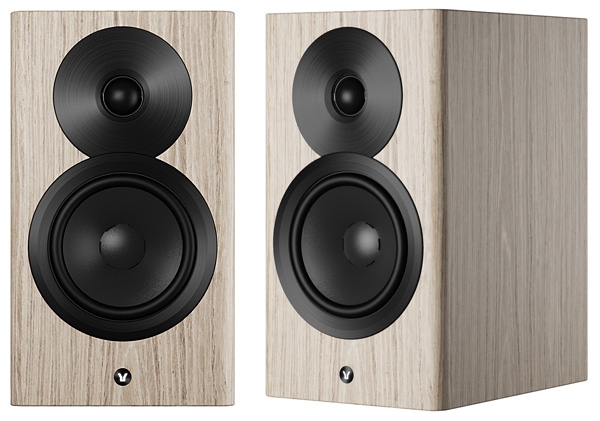
Bowers & Wilkins 705 S3 loudspeaker

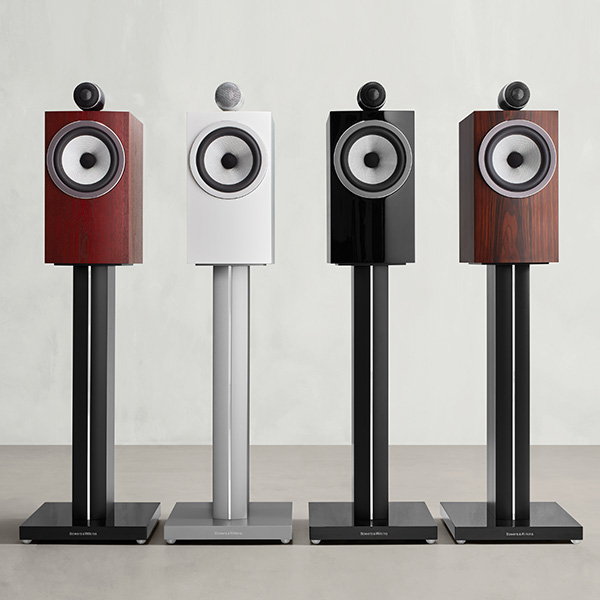
Over a lifetime of involvement in audio, I have had standmount speakers—bookshelf speakers, as they were called back then—only twice. My very first loudspeaker was a vinyl-wrapped fiberboard bookshelf box with no name. It lasted barely a year and was replaced with a two-way system I built with a 12" RCA woofer in a floorstanding bass-reflex cabinet. My second bookshelf system was a Weathers "Book" speaker lashed up to a University dual-voice-coil woofer. I was determined to try that new thing, stereo.

Since then, I've had only floorstanders, home-made and manufactured, and I never seriously considered owning small speakers again except, perhaps, as part of a surround sound system. With that bias, why am I reviewing the B&W 705 S3?

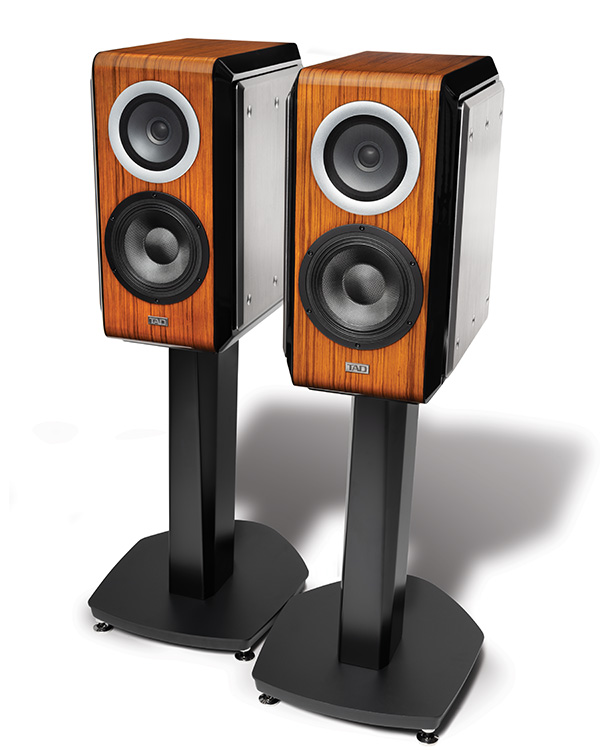
TAD CE1TX loudspeaker

The most money I've ever spent on a pair of loudspeakers was back in the early 1990s, when I bought a pair of used TAD TH-4001 wooden horns and their associated TD-4001 compression drivers. The TAD horn's smooth, micro-resolved response was a refinement upgrade from my multicell Altec horns; plus, the TADs' French-polished wood looked radically less industrial than the soldered-tin, tar-filled 1005/288C horns they replaced. None of my horn-fanatic friends had anything sonically or aesthetically comparable, and all of them were envious. I didn't keep the TADs long, because the friend who admired them most made me a very "friendly" offer.

That was my first experience with Japanese loudspeaker design, and it exposed me to a level of engineering precision and fine craftmanship I had not yet encountered in American-made speakers.

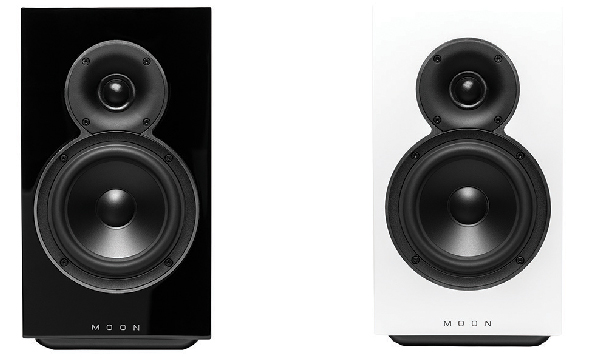
Moon by Simaudio Voice 22 loudspeaker

I'm picturing a gaggle of cigar-chomping Simaudio execs in an office discussing what to do about the fact that their high-end amplification lines have become so successful that their names have become synonymous with the company. "In the '90s, people thought our company was called Celeste," one floor-pacing exec says, speaking for everyone in the room. "Now they think we're called Moon! How do we fix this?" After much debate, a member shouts: "We add 'by Simaudio' at the end!" The execs hoot, holler, and slap the conference-room table—and thus is born Moon by Simaudio.

A fictional account? Sure, but, as they say in the movies, it's based on a true story.

Dynaudio Focus 10 active loudspeaker

Almost five years after I submitted my review of Dynaudio's Focus 200 XD class-D active bookshelf loudspeaker—my first product review for Stereophile—word of its imminent successor, the digital Focus 10 class-D active bookshelf loudspeaker ($5500/pair), and its two larger siblings arrived via Mike Manousselis, Dynaudio North America's president, Americas. Then came the near-ubiquitous parts shortages and COVID-related slowdowns that have plagued high-end manufacturers worldwide.

MoFi Electronics SourcePoint 10 loudspeaker

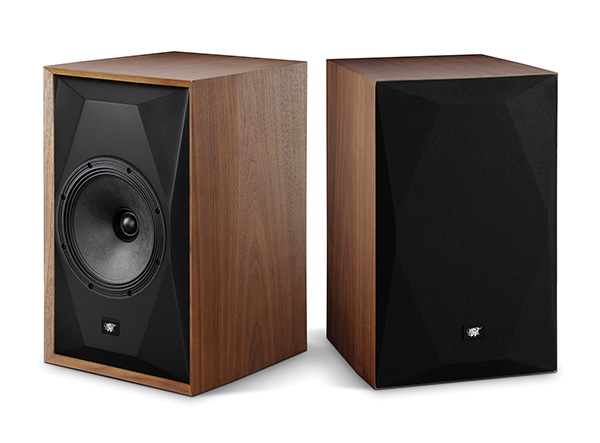
"A 10" two-way?!?!" I couldn't help gasping in surprise when I unboxed the MoFi Electronics SourcePoint 10 standmounted loudspeakers, which cost $3699/pair.

Some background is in order. Using a large-diameter woofer endows a conventional two-way speaker with potentially high sensitivity and extended low frequencies. However, the large woofer's radiation pattern narrows at the top of its passband, whereas that of a tweeter mounted on a flat baffle is at its widest at the bottom of its passband. Even if the drive units' outputs are well-matched in the speaker's on-axis response, this discontinuity in the speaker's off-axis behavior results in an in-room balance that will sound bright. This is why favorably reviewed two-way designs tend to use a woofer with a 6.5" or even smaller diameter.

Advertisement
Advertisement
Advertisement