Book Review: Lonely Avenue: The Unlikely Life & Times of Doc Pomus
Lonely Avenue: The Unlikely Life & Times of Doc Pomus
by Alex Halberstadt. Da Capo Press, 2007. Paperback, 272 pp., $16. Available as eBook.
Continue Reading »
by Alex Halberstadt. Da Capo Press, 2007. Paperback, 272 pp., $16. Available as eBook.
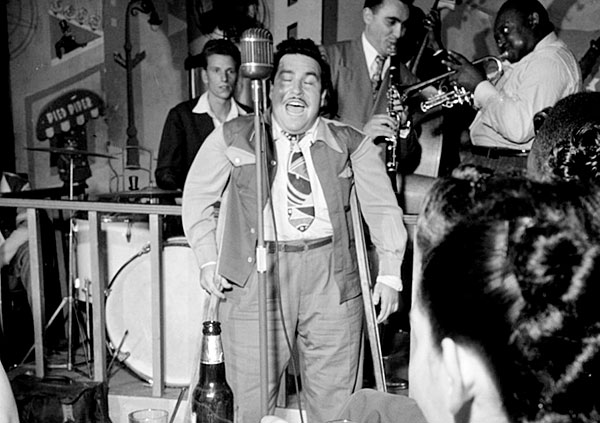
Many people, after seeing him repeatedly at Manhattan's Forrest Hotel in the early 1960s, might have described the lyricist and songwriter Doc Pomus as the narrator of a Damon Runyon short story depicts himself: as someone "who is just around." Pomus lived for years in lackluster hotels like the Forrest, which Runyon himself had once called home, and his cronies could be just as colorful as Runyon's creations, including the gamblersfor a time, Pomus gambled for a living.