Jim Austin

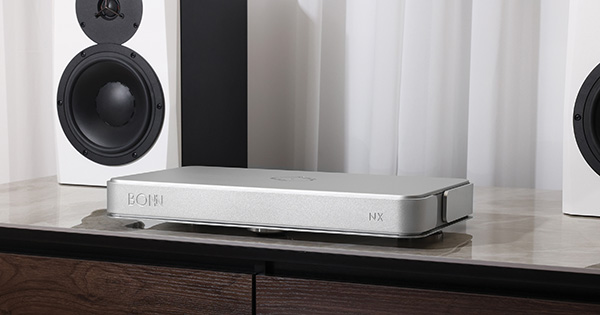
Silent Angel Bonn NX network switch

With every passing season, a new audiophile-grade network switch hits the market. These products, which can cost hundreds or thousands of dollars, do the same basic thing as network switches bought at Best Buy for $30 or so (except, in some cases, slower), but their manufacturers claim they are built to a higher standard to achieve better sound.

As with all signal-conditioning devices that operate completely in the digital realm—especially those that work at packet level (more correctly referred to as "frame-level" on the local side of the router, but that's a distinction that even few experts make)—the sonic efficacy of audiophile network switches is debated, the debate being, as usual, mainly between those who insist they hear a difference and those who insist, on theoretical grounds, that no difference is possible.
Continue Reading »

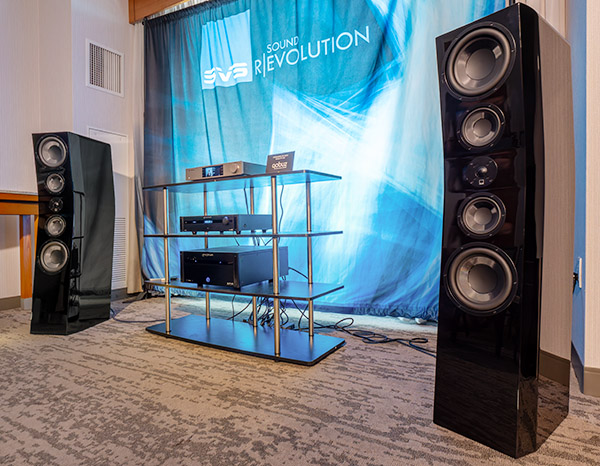
It's Showtime!

Photo: Jason Victor Serinus

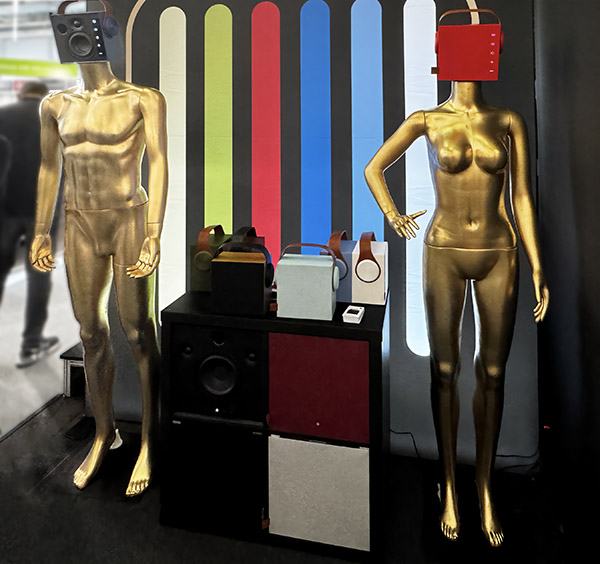
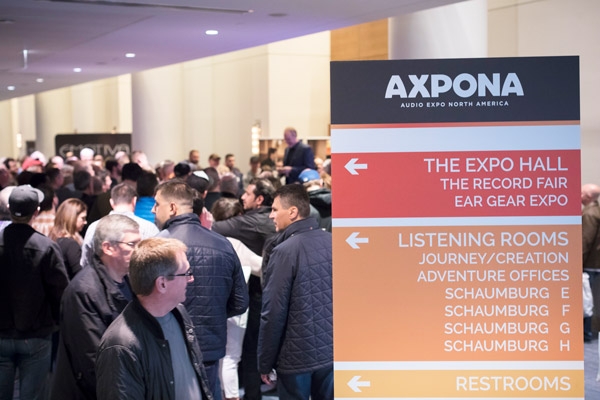
Though I'm writing this in early March, this As We See It column will be published in the May issue, which is the issue that will go to AXPONA, America's largest audio show, held each non-pandemic year at the Renaissance Schaumburg Hotel & Convention Center near Chicago. This year's show takes place Friday–Sunday, April 12–14. The show opens each day at 10am and closes at 6pm Friday and Saturday; Sunday's closing time is 4pm. If you're going to the show, don't forget to stop by the Stereophile booth, Location 9213 in the exhibit hall.

Continue Reading »

On Assessing Sonic Illusions

Recently, I found myself in an email conversation with two colleagues on the nature of reproduced audio. How should we think about it? The conversation was provoked by a "hybrid" (live and online) presentation of the Pacific Northwest section of the Audio Engineering Society called "What Does 'Accurate' Even Mean?" The presenter was James D. "JJ" Johnston, a distinguished researcher in the field of perceptual audio coding and a co-inventor of MP3.

Among many other honors, Johnston was selected to present the Richard Heyser Memorial Lecture at the 2012 AES convention—an honor shared by our own John Atkinson, who had given that lecture the previous year and was one of the participants in this email conversation. The other was Tom Fine—so, it was me and two sound engineers.

Continue Reading »

Streaming Nomenclature and New People

A different kind of stream: Route 140 Wrentham at Pendleton Road Eagle Brook; image by Ernst Halberstadt, 29 March 1973, Wikimedia Commons

I recently received a letter (not yet published) suggesting a need for a glossary of newer hi-fi terms. Some audiophiles raised on physical media, it seems, are perplexed by descriptions of the new streaming landscape. Just yesterday, all we had to worry about was DACs and transports. Today we have servers, streamers, players, streaming DACs, and all that. That immediately struck me as a good idea, allied with a second reason: To avoid confusion, it makes sense for the industry to standardize the nomenclature. When we see the word "streamer," for example, we should all be thinking about the same thing.

So, here's a brief glossary of streaming-related devices.

Continue Reading »

Re-Tales #40: Showing Your Best

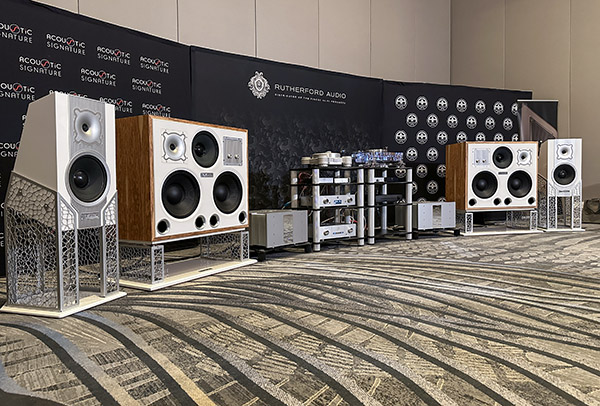
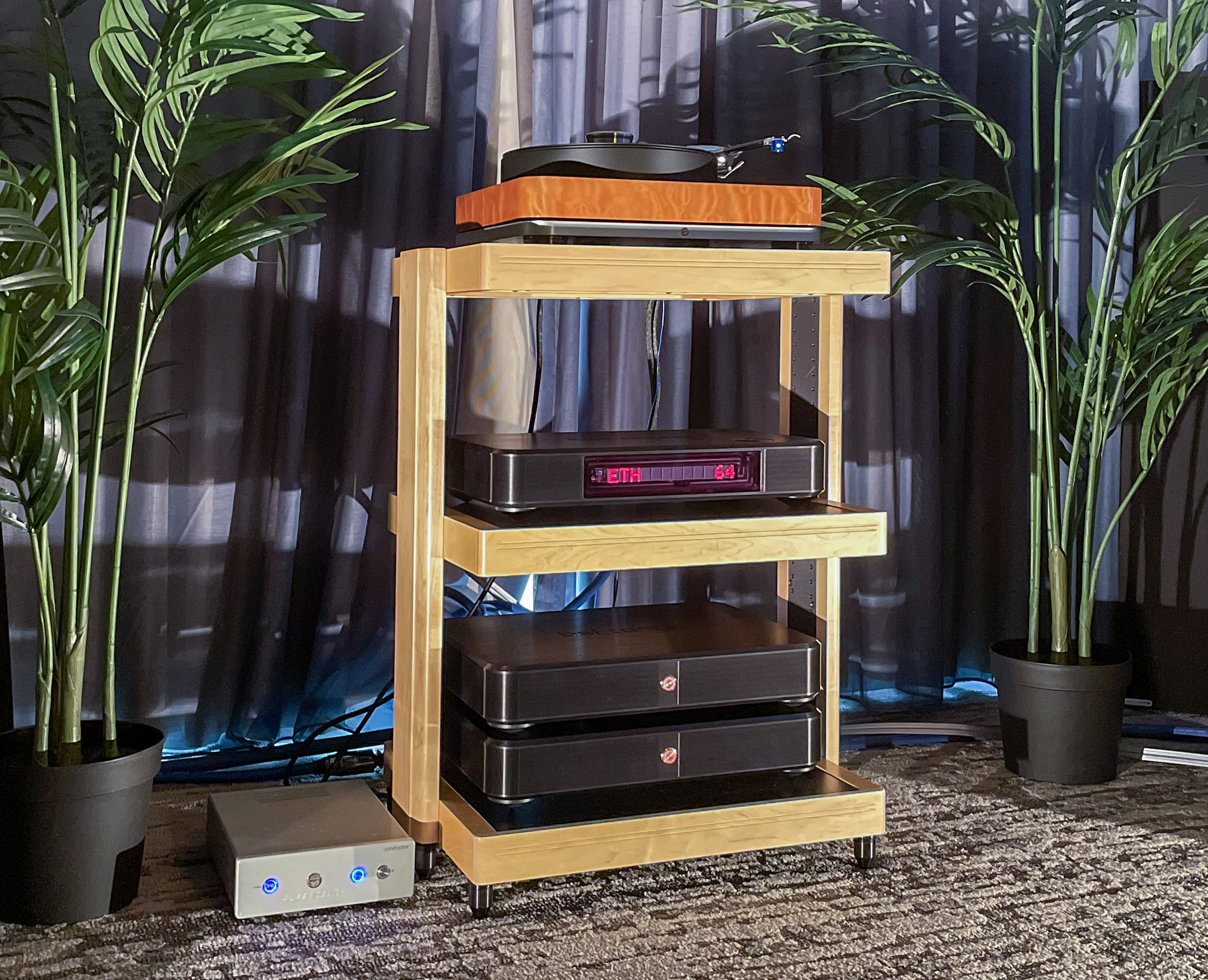
Dear audio show exhibitors: This one's for you. As members of the press who have spent decades covering audio shows, we've developed a clear sense of what works for us and—we think—for other show attendees. We ask your indulgence as we share our observations about how to mount a successful exhibit and get the best coverage possible from Stereophile and, presumably, other publications.
Continue Reading »

Recording of February 2024: Jerome Sabbagh: Vintage

Jerome Sabbagh: Vintage
Sabbagh, saxophone; Kenny Barron, piano; Joe Martin, bass; Johnathan Blake, drums
Sunnyside SSC 1698 (LP). 2023. Jerome Sabbagh, prod.; Ryan Streber, Pete Rende, Bernie Grundman, engs.
Performance ****
Sonics ****½

This is an album with serious audiophile cred. It was recorded to analog tape on a Studer A800 MKIII at 30ips, by Ryan Streber at Oktaven Audio in Mount Vernon, New York. It was mixed, also at 30ips, on a custom, tubed Ampex 351, by Pete Rende. Bernie Grundman mastered it for vinyl and cut the lacquer, direct from the analog tape, on an all-tube system. The executive producer for the vinyl version is Hervé Delétraz of darTZeel, who, Sabbagh told me, helped finance the mastering and pressing. Sabbagh listened to the acetates and test pressings at Ana Might Sound in Paris.

Continue Reading »
Advertisement
Advertisement
Advertisement