Analog Corner

Sort By: Post DateTitle Publish Date

Analog Corner #294: TechDAS Air Force One Premium turntable & Graham Engineering Elite tonearm
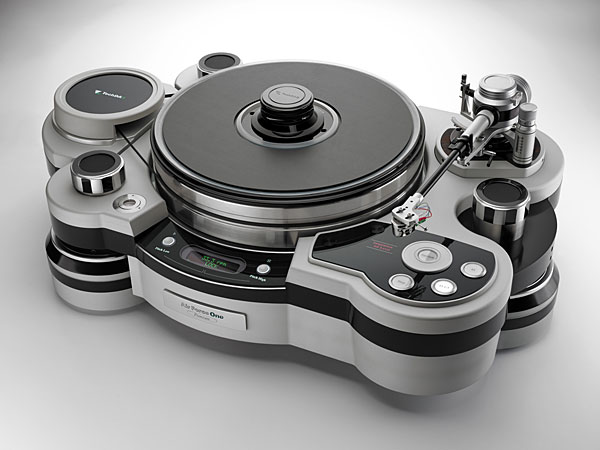
In 2013, when I first wrote about it (footnote 1), the TechDAS Air Force One ($105,000) was that company's best and most expensive turntable; it joined the handful of products that have earned an A+ in our semiannual Recommended Components feature—a rating that remained in place for six years. But too much time has passed since the Air Force One was auditioned by a Stereophile writer, so it has now fallen from that list.
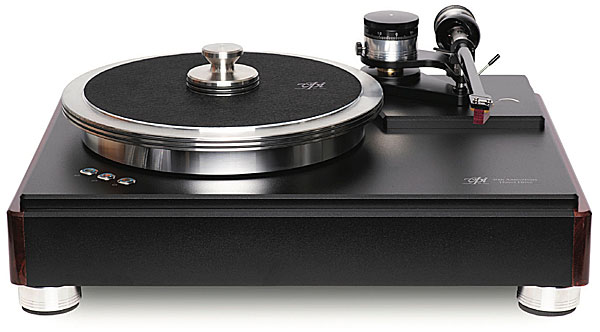
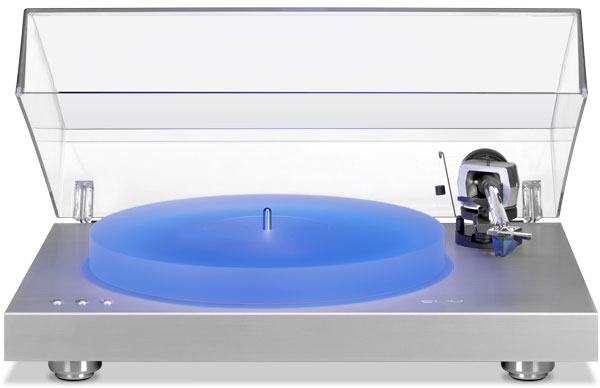
Analog Corner #292: AVM R 2.3 turntable, Miyajima Destiny phono cartridge, Sutherland Phono Loco phono preamplifier

AVM Audio, which has been in business since 1986 (footnote 1), chose last year to enter the turntable market with two models that reflect the company's brushed-aluminum/blue LED visual aesthetics.


It doesn't take a forensic turntable scientist to figure out who manufactures both of those turntable models. Clearly, Pro-Ject does (footnote 2)—although some audiophiles might recognize only a few key parts. Other elements, especially the two different tonearm models, may appear unique to AVM, having been built to their specs.

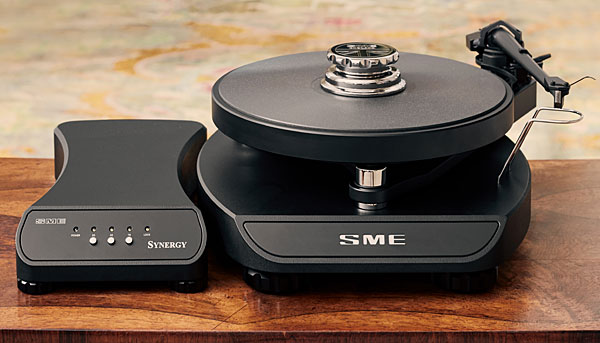
Analog Corner #291: SME Synergy LP player, Boulder 508 phono preamplifier

Since acquiring SME in late 2016, Ajay Shirke's Cadence Group has moved cautiously. First, it revamped and cleaned up the company's somewhat chaotic worldwide distribution. More recently, the new owners eliminated from the bottom of the line the SME Model 10 turntable, introduced in 2000.

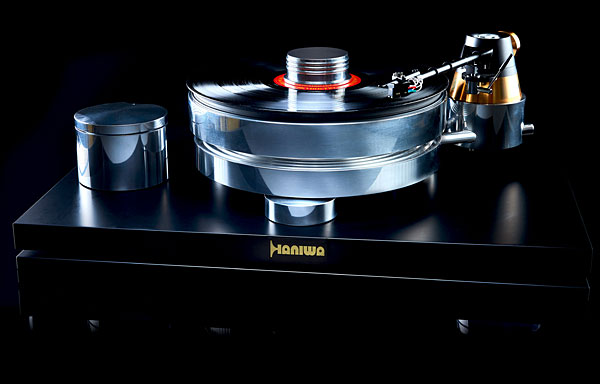
Analog Corner #290: The Haniwa LP Playback System

Haniwa's Dr. Tetsuo Kubo is an interesting fellow. If you go to shows, domestic or overseas, you've possibly encountered him in his room a space known for being strewn, shrine-like, with LPs that once belonged to The Absolute Sound's founder, the late Harry Pearson: Dr. Kubo was a fan.

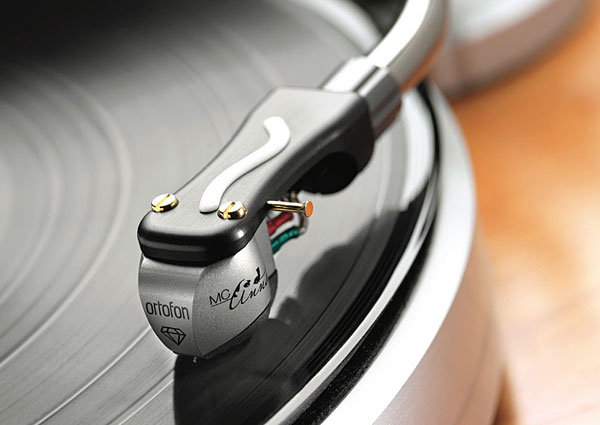
Analog Corner #289: Ortofon Anna Diamond MC phono cartridge

As I was doing a final edit on this column, I received very sad news from Leif Johannsen, the chief officer of acoustics and technology for cartridge manufacturer Ortofon A/S: Kim Petersen, described by Johannsen as his "right hand and new cartridge design and listening partner" and the company's "top cartridge expert," passed away suddenly at age 52.

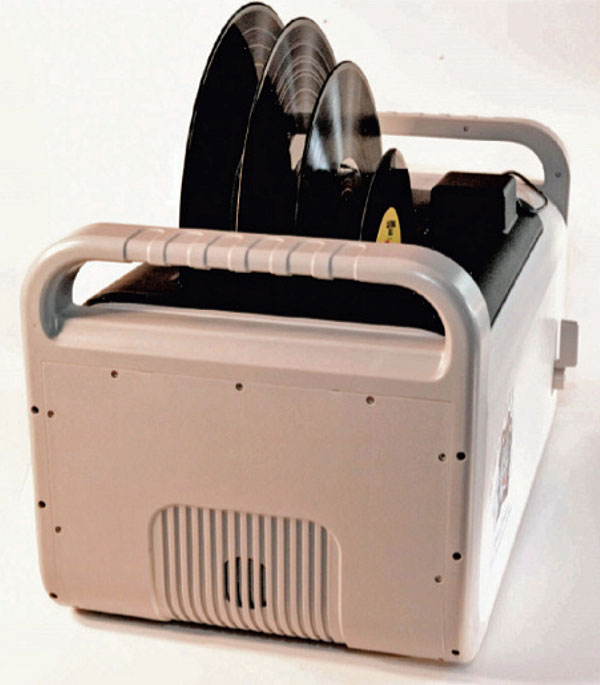
Analog Corner #287: The Charles Kirmuss Vinyl Restoration System

Back in the 1990s, my friend Nick Despotopoulos and I published an article in The Tracking Angle titled "Zen and the Art of Record Cleaning Made Difficult," describing author Michael Wayne's record-cleaning methodology. That regimen, like the article itself, was the most comprehensive one I knew of at the time.

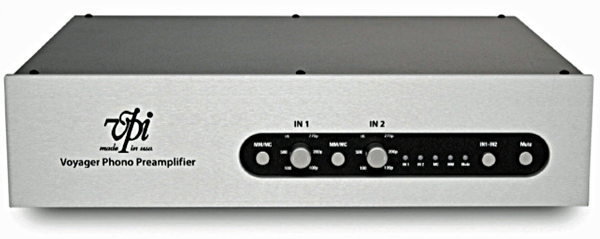
Analog Corner #286: StillPoints Aperture II, VPI Voyager, Bespoke Passive Preamplifier

VPI Industries Voyager phono preamplifier

Following my auditioning of Channel D's Lino 2C current-mode phono preamplifier, back in the world of voltage amplification, here's another phono preamp from another company based, like Channel D, in New Jersey. Probably not since Dynaco manufactured its electronics in Pennsauken has the Garden State enjoyed such riches of analog electronics!

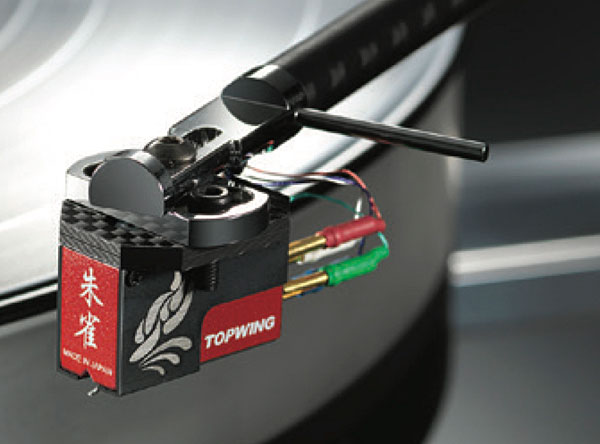
Analog Corner #285: Top Wing Suzaku, HiFiction Thales, Analysis Plus

For a phono cartridge to generate current and voltage, something must move: a coil of wire (as in a moving-coil cartridge), or a magnet (as in a moving-magnet type), or a tiny piece of iron (a moving-iron type). In those rare cartridges that depart from the electricity-generating principle of the ones described above, it can be a displacement-measuring device in which a moving shutter modulates a light source to vary a supplied voltage (as in an optical cartridge), or one in which voltage is modulated when a tiny chip of silicon crystal is squeezed by a moving element, which varies the chip's electrical resistance (as in a strain-gauge cartridge). But regardless of what it is that moves in a cartridge, something has to.
Advertisement
Advertisement
Advertisement