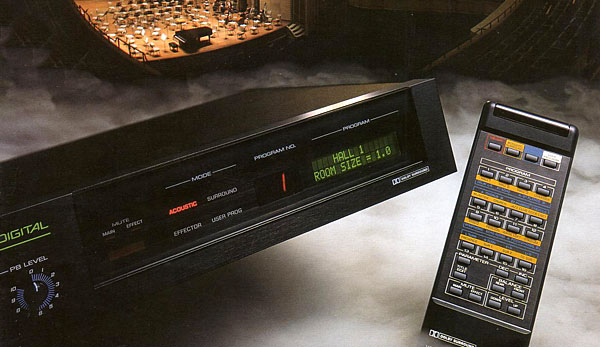
VTL Reference D/A processor
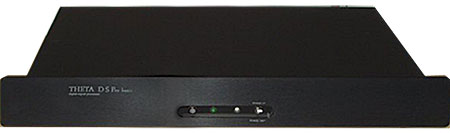
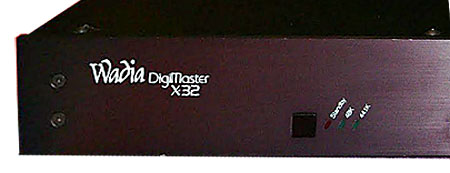
I find it more than a little ironic that in 1990 the only two digital-to-analog converters to employ a new state-of-the-art DAC also use vacuum tubes. Many in the audio community consider tubes an anachronism, and find it surprising and humorous that they are still used in newly designed audio products. The fact remains, however, that these two tubed digital processors achieve the best digital playback currently available—and by a wide margin. Moreover, their respective designers' technical savvy and passion for building leading-edge products is reflected in their choice of these superlative and very expensive new DACs. Is it mere coincidence that both designers also chose vacuum tubes to realize their vision of no-compromise digital playback?
 The rapidly evolving world of the late 20th century is the source of much stress. Changes in the status quo, whether wrought by social, political, or technological forces, are often accompanied by anxiety brought on by the struggle to assimilate new patterns of thought. New ideas necessitate abandoning or modifying one's old ideas, thus creating conflict (footnote 1). However, these periods of rapid change can also be exciting, allowing one to chart a course of discovery and growth.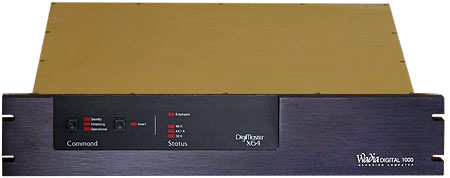
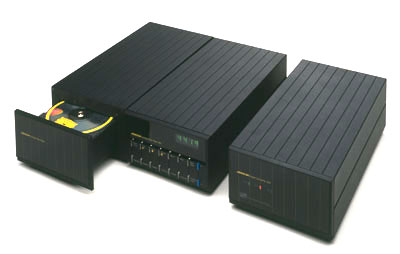
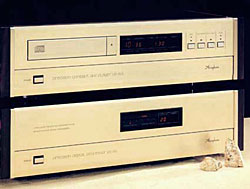 $13,000! You could buy two Hyundai Excels for that kind of money. Or one 5-liter Ford Mustang. Or two-thirds of a Saab 900 Turbo. How could the purchase of this Accuphase two-box CD player be justified on any rational grounds? What if it did offer state-of-the-art sound quality? Would it really be 50 times better than a humble Magnavox? Would it even be 4.3 times better than the
 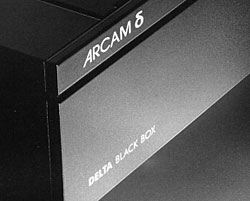 As explained by Ken Kessler elsewhere in this issue, the English A&R Cambridge company made their name by producing one of the UK's most successful integrated amplifiers, the 40Wpc A60. This neatly styled model was in production for a decade or so and was the basis for a large number of good-sounding but inexpensive audio systems. These days, the company, whose products in the US sell under the Arcam banner, is a major British hi-fi manufacturer, with a product line that includes integrated amplifiers, tuners, loudspeakers, cartridges, and even a CD player. A&R was, I believe, the first UK manufacturer to obtain a player-manufacturing license from Philips, and with the product under review here, has broken new territory for a supposedly "audiophile" company in having a custom LSI chip manufactured to their own requirements.