J. Gordon Holt

Sort By: Post DateTitle Publish Date

Ortofon M15 Super phono cartridge
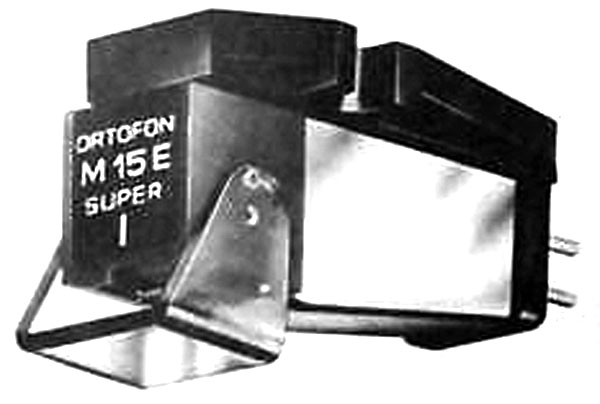
The M15 Super is the first high-output pickup to come from Ortofon. Previous ones required either step-up transformers or a booster preamp, and it is only fairly recently that either kind of step-up device was available with high-enough quality to avoid a noticeable degradation of the sound. Early step-up transformers muddied the bass, and previously-available booster preamps added noise or hardness or both to the sound. Now that there are excellent transformers available from Ortofon and other sources, and at least one extraordinarily good booster preamp (the Mark Levinson, at an extraordinarily high price—$170), Ortofon's latest and best pickup doesn't require the use of either.
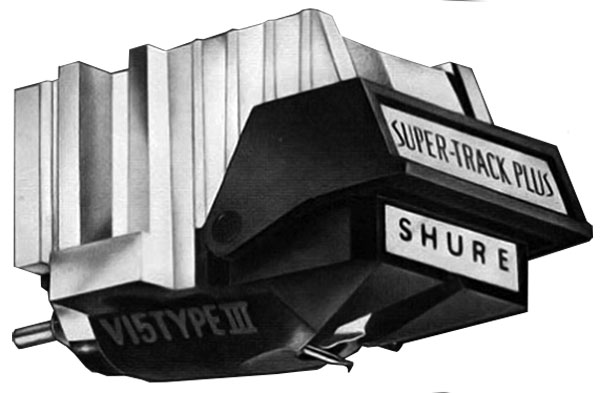
Shure V15-III phono cartridge

The Shure V15-III is the latest of Shure's top-of-the-line "Super-track" pickups, earlier versions of which we scorned because of their dished-down response in the 6kHz range and their consequent "dead" sound. (We were unimpressed with Shure's suggestion that the pickup cable capacitance be increased to a total of around 300pF, since few audiophiles are equipped to measure either cable capacitance or frequency response).

What's Right?

A recent experience with two excellent loudspeaker systems and two of the top power amplifiers raised a question that has been cropping up more and more frequently these days: When one component sounds more toppish or more bassy than another, which one is really flat and which isn't?


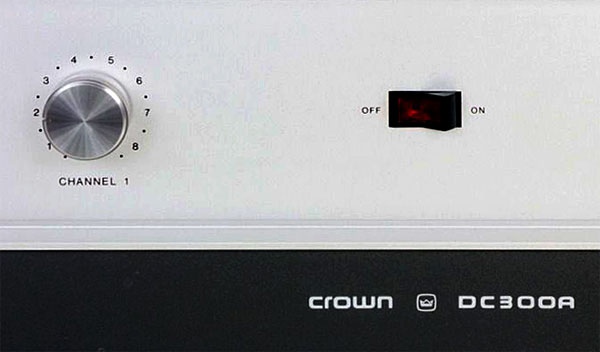
The question arose this time in connection with some listening tests on a pair of FMI 80 speakers and a pair of IMF Monitor III speakers, using Audio Research Dual 75 and Crown DC-300A power amplifiers.

Hegeman Model 1 omnidirectional loudspeaker

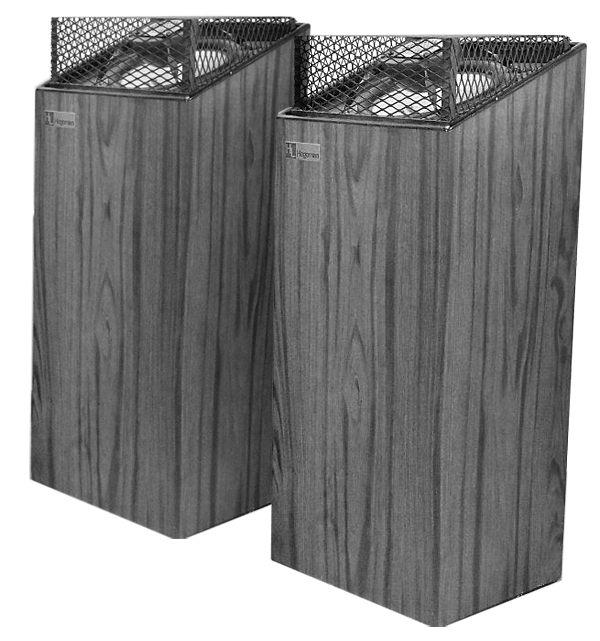
Ye Editor had his first exposure to a true omnidirectional speaker system 15 years ago, while he was employed as chief equipment tester for High Fidelity magazine. The speaker was a most unusual-looking device for its time, being roughly a foot square and standing 3 feet high, with a "cube" of grille cloth at the top like a cupola. Inside the cupola was an 8" woofer facing upwards. Directly above it was the weirdest-looking tweeter you ever saw.

Bye Bye, Quadrifi?

"As We See It" in the Stereophile issue dated Summer 1968 (actually published in 1970) noted the idealistic, glowing claims about how four-channel sound could put you right in the concert hail, but urged readers to wait before buying, to see whether quadrisound would indeed bring higher fidelity. We predicted it wouldn't—that whatever the potential of quadrisound (footnote 1), it would not be used to increase fidelity, but rather to play ring-around-the-rosy with music.

Koss ESP-9 electrostatic Headphones

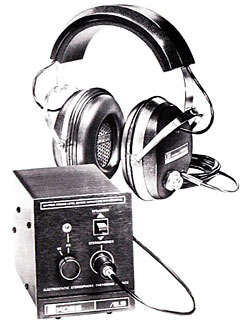
666kossesp9.1.jpgThe top-of-the-line model from America's leading headphone manufacturer, these are bulky, heavy, very business-like in appearance, and very, very good.
The ESP-9 is dual-powered: from the AC line, or from the input signal itself, The power supply is rather large and heavy, and appropriate in appearance to the phones. Amplifier connections are via wires with spade lugs attached, and speaker connections are made to the rear of the power supply. A front-panel switch selects speaker or headphone operation, and terminates the amplifier outputs with 10 ohms in the Phones position.


Construction is typically top-of-the-line Koss: Rugged, nicely finished, and apparently very durable, and the phones are easy to handle. (Many headphones are so loosely pivoted on their headbands that they swing into impossible positions whenever you pick them up.)

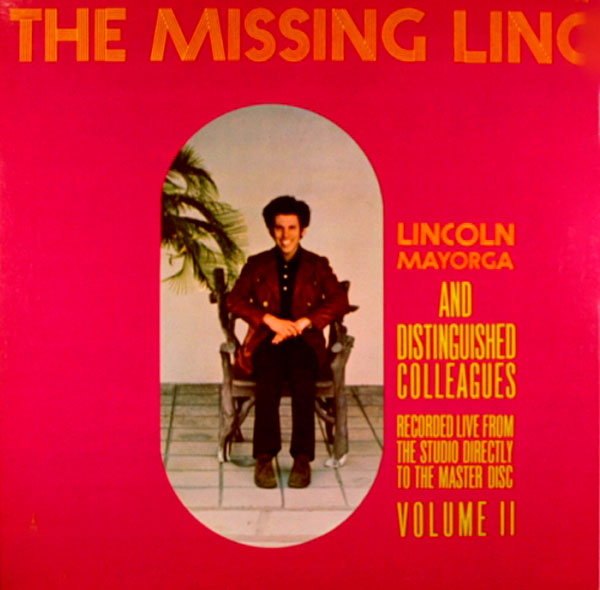
Recording of October 1972: Lincoln Mayorga & Distinguished Colleagues Vol.II

Lincoln Mayorga: Lincoln Mayorga & Distinguished Colleagues Vol.II

Lincoln Mayorga,
arranger, harpsichord, piano.

Lincoln Mayorga,
Doug Sax, prods.; Bill Schnee,
eng.; Sherwood Sax,
design engineer.

Sheffield Lab S-10 (LP).


Ever wonder just how much sound quality is lost by recording stuff on tape before making a disc? Here's your answer. This program of soft rock and cool jazz arrangements was recorded straight from studio to disc, and the sound is incredible! Suddenly, a veil that we never realized was there has been lifted, and we had the feeling we were listening to a direct-wire transmission rather than to a recording. We're not at all sure we will ever feel quite the same again about any. other recording, such is the dramatic difference in transparency and cleanness.

Audio Research SP-3 preamplifier

We thought Audio Research's previous-model SP-2C (footnote 1) was excellent, but this is even better—the closest thing available, in fact, to the ideal straight wire with gain. Our sample had a minor glitch—there was a slight "plop" if you rotated the tone controls rapidly—but we could find nothing else about it to criticize. Currently, by far the best preamplifier than money can buy. And would you believe it uses tubes (at reduced heater voltage, for extended life and cooler operation)!

Bose 901 loudspeaker

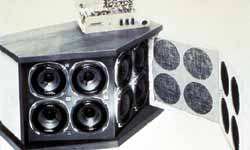
The Bose 901 has created more of a stir in audio circles than any other loudspeaker we can think of, with the possible exception of the original Acoustic Research system. Much of the 901's popularity is attributable to Julian Hirsch's rave report in Stereo Review, and there is no doubt but that Amar Bose's compellingly convincing ads had their effect, too. But these things alone could hardly account for the 901's popularity.
Advertisement
Advertisement
Advertisement