

Infinity IRS Beta loudspeaker
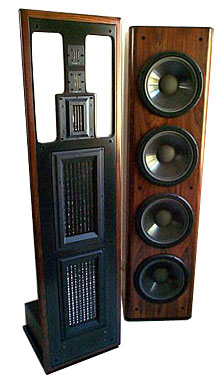
In 1966, two avid audiophile/music lovers—a nuclear physicist named Arnold Nudell and an airline pilot named Cary Christie—labored over weekends and evenings for 18 months in Nudell's garage to put together the world's first hybrid electrostatic/dynamic loudspeaker system. It cost them $5000 for materials, launched a company (New Technology Enterprises), and helped contribute to the popular myth that all of the really important audiophile manufacturers got started in somebody's basement or garage (footnote 1). The system was marketed as the Servo-Statik I, for the princely sum of $1795. (At the time, the most expensive loudspeaker listed in Stereo Review's "Stereo/Hi-Fi Directory" was JBL's "Metregon," at $1230.)
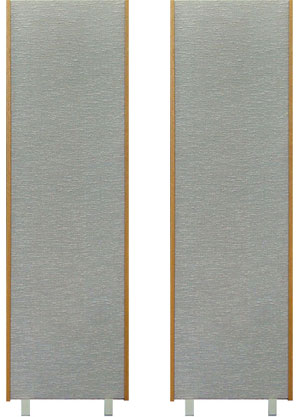 Now there's a Magneplanar speaker to fill the price gap between the $2000
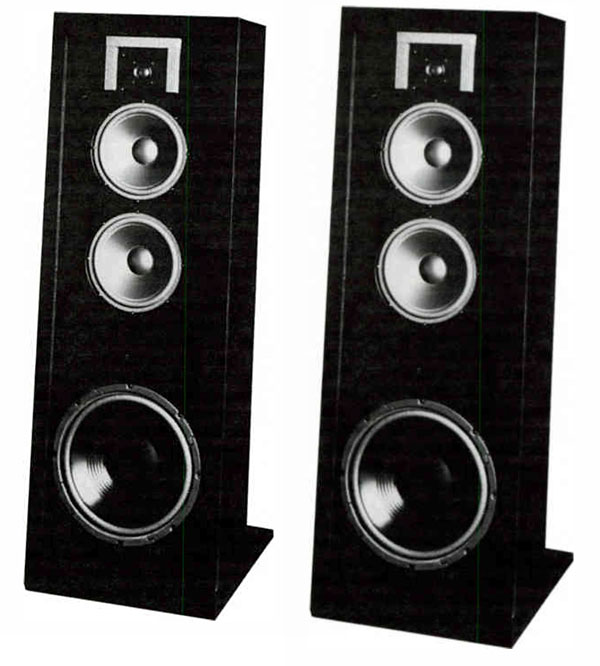
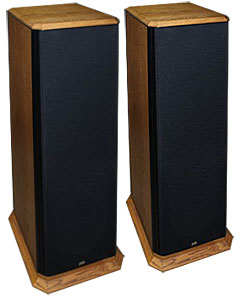 PSB is a small, Toronto-based manufacturer that has been collaborating with Canada's National Research Council to try and take some of the guesswork, some would say magic, out of loudspeaker design.
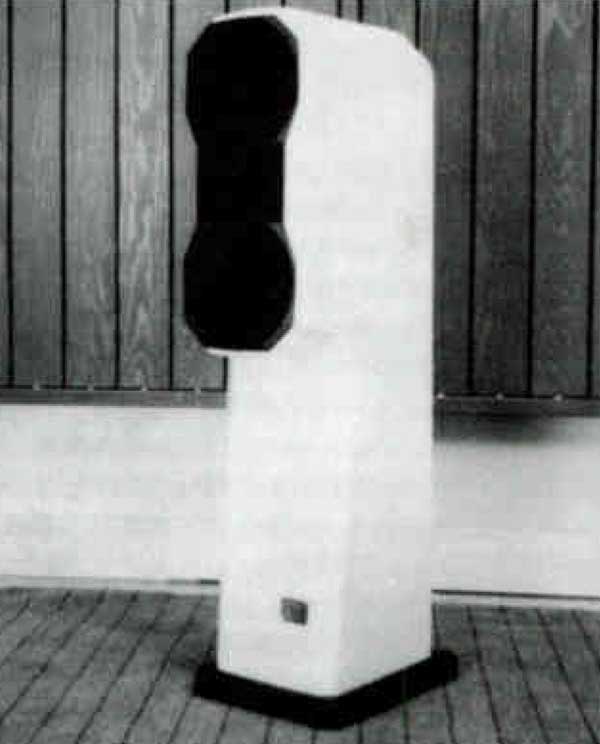
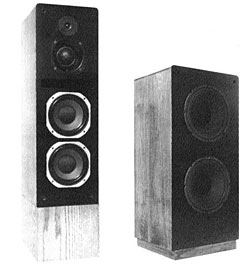 According to designer Bill Reed, the Nelson-Reed 8-04/B was not originally intended to be an audiophile speaker system, but was instead designed as a high-quality monitor for the critical recording engineer who wanted to be able to walk from the studio into the control room and hear the same thing from his speakers that he heard "live." The fact that modern studio mike technique ensures that this could never happen is probably beside the point. The point is that reproducing the original power and dynamic range of live music is a formidable challenge, which practically no audiophile speakers have met successfully. On the other hand, so-called studio monitors, which can do that routinely, have tended to be highly colored and otherwise generally lousy in all areas of fidelity except output capability. The 8-04/B was an attempt to combine the strengths of both kinds of speaker, while avoiding their usual weaknesses.