

Jenny Scheinman's got it going on
I’ve been following Jenny Scheinman for a few years now: her frequent Tuesday night sets at Barbes, a small Brooklyn bar and sometimes-jazzclub not far from my house; her side gigs with the likes of Bill Frisell, Jason Moran, and Ben Allison at various clubs in Manhattan; her wry CDs, most notably 12 Songs.
Jenny Scheinman's Mischief & Mayhem
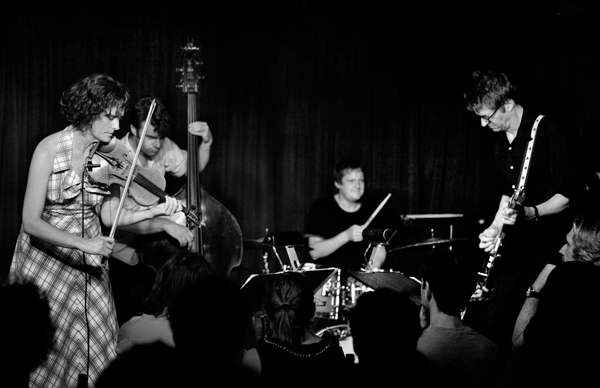
Photo: Michael Gross
Violinist Jenny Scheinman is back at Manhattan’s Village Vanguard this week with the quartet she calls Mischief & Mayhem, and judging from the two times I've seen them (the first a year ago, the second last night), I'd say this is one of the great raucous jazz-fusion bands of our time. Go see them. A splendid time is guaranteed for all.
By "jazz-fusion," I mean not just jazz + rock (though there is plenty of that, thanks to the presence of Wilco's Nels Cline on electric guitar) but . . .
Jerome Sabbagh, The Turn
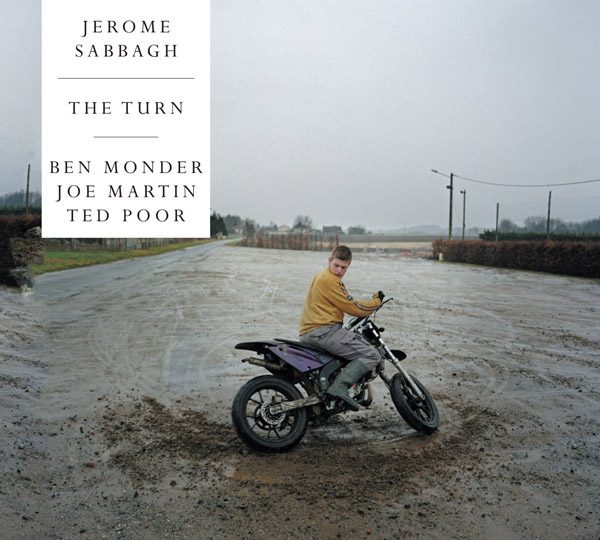
Jerome Sabbagh, 41, born and bred in Paris, a low-key staple of the New York jazz scene for the last decade or so, plays tenor sax with a plaintive tone and moody lyricism reminiscent of Stan Getz. And he's a composer, too, wading more in the vibe of early Sonny Rollins or the sinuous modalism of Paul Motian. His new album, The Turn (Sunnyside), is a fine display of Sabbagh as player, composer, and bandleader.
Jim Hall & Bill Frisell
Hemispheres, the new two-CD album by guitarists Jim Hall and Bill Frisell, is the year’s first jazz masterpiece, a work of spontaneous lyricism as glittering and joyful as anything either has recorded (and, given their histories, that’s saying a lot). Hall, who’s 78, and Frisell, who’s 57 and something of a protg, both have a tendency toward doodling when they’re not anchored by a rhythm section. But Disc One—10 tracks of barebones duets (including Milt Jackson’s “Bags’ Groove,” Bob Dylan’s “Masters of War,” Hall’s anthemic “Bimini,” and several pure improvs)—are loose-limbered and air tight, the two trading harmony and melody, then merging the strands to the point where it’s unclear who’s playing what but it meshes and sings all the same. Disc Two—10 more tracks, mainly standards (“I’ll Remember April,” “Chelsea Bridge,” “My Funny Valentine,” “In a Sentimental Mood”), the guitarists joined by Scott Colley on bass and Joey Baron on drums—is no less free-spirited. Colley and Baron, who have played as sideman to both as well as many others, aren’t the sort to lay down rhythmic law; they splash color and weave textures along the leaders’ sinuous lines.
Joe Lovano & Dave Douglas: Scandal
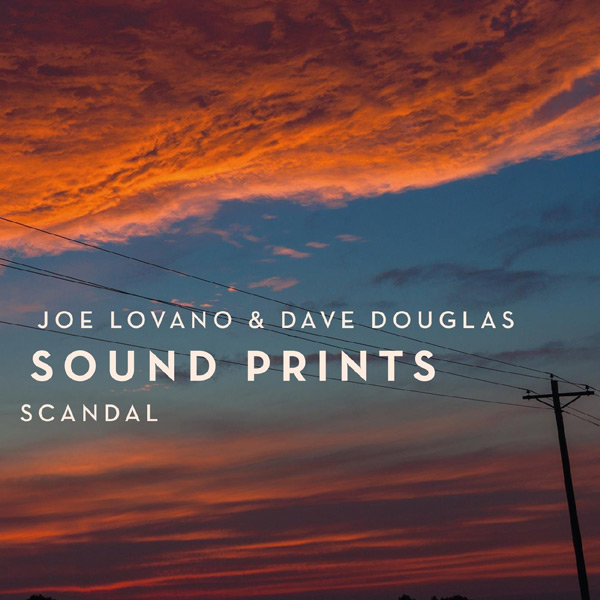
Sound Prints, the quintet co-led by trumpeter Dave Douglas and tenor saxophonist Joe Lovano, is one of the most exciting small jazz bands around. You wouldn't know it, necessarily, from their first, eponymously titled album, recorded live at the 2013 Monterey Jazz Festival and released on Blue Note, which has long been Lovano's label. Mediocre sound doesn't always suck the life out of a recording if the music is good, but that's what happened here. However, the group's second album, Scandal (just out on Greenleaf Music, Douglas' self-owned label), tells a different tale entirely.
Joe Lovano & Us Five
Joe Lovano’s Folk Art, his 22nd album on the Blue Note label, is an odd, sometimes jarring record—it took a few hearings before I found my bearings—but once the fragments snap into place, it’s a rousing pleaser, bursting with indigo moods, heart-skipped romance, and free-flow funk riffs. Lovano plays all kinds of reeds—tenor sax, straight alto sax, clarinet, and, on one song, the aulochrome, a Hungarian-built horn that’s a double soprano sax (attached to one reed), each side tuned to a different key, so that you blow melody and harmony simultaneously. He plays with a somewhat hardened tone, reminiscent of Sonny Rollins, but with a more soulful sensibility, stemming from his Midwestern roots (his father was a tenor blues saxophonist in Cleveland), though over the past couple decades, he’s played with, and gleaned ideas from, a wide variety of masters, including Hank Jones, Gunther Schuller, and Mel Lewis, to name a few.
John Abercrombie Quartet, Within a Song
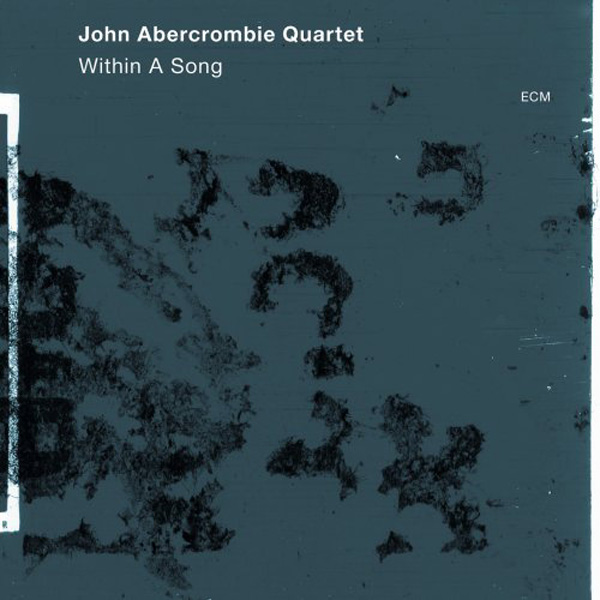
The guitarist John Abercrombie's latest, Within a Song (on ECM) is something of a high-wire act: delicate music of an uninsistent intensity, a quiet swing, that hangs together or collapses on the ensemble's sustenance of balance. The musicians hereJoe Lovano on tenor sax, Drew Gress on bass, Joey Baron on drumsare masters at this sort of thing (and many other things too), and so it's a riveting album. Even when they coast, swish, and twirl along the slightest thread, you're carried along (or I was anyway).
John Carter & Bobby Bradford
The latest 3-CD box in Mosaic Records’ Select series, John Carter & Bobby Bradford, is something of a revelation. I’ve heard several albums over the years by the two musicians separately, but never their collaborations of 1969 (as the New Art Jazz Ensemble) and ’71 (as John Carter & Bobby Bradford, though playing with much the same quartet), both recorded on the obscure Revelation label. Now here they are, reissued with unreleased takes and a whole unissued (unknown) duet session that was laid down in ’79.
John Hollenbeck: Songs We Like a Lot
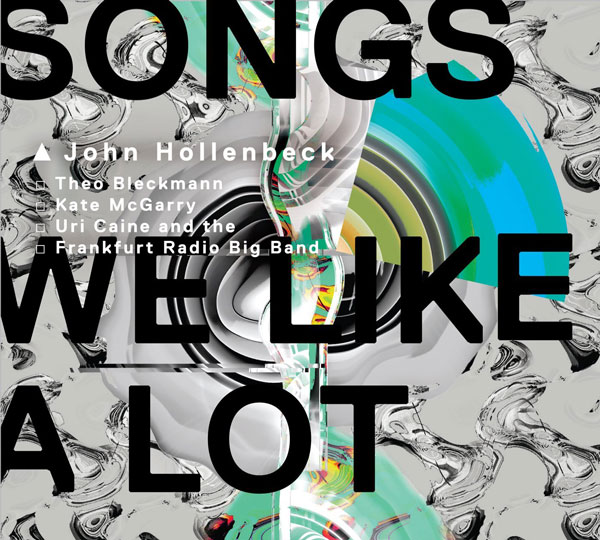
We seem to be going through a big-band renaissance. In recent months, I've hailed the latest albums by Maria Schneider's Orchestra, Steve Coleman's Council of Balance, Ryan Truesdell's Gil Evans Project, and nowin some ways, the most adventurousJohn Hollenbeck's Songs We Like a Lot (on the Sunnyside label).
John Hollenbeck's Shut Up and Dance
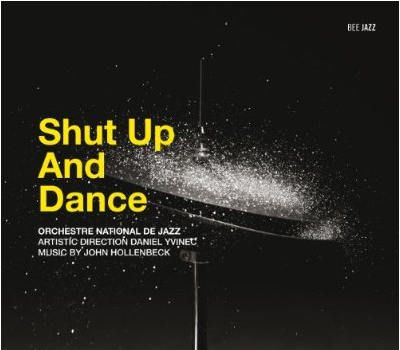
Shut Up and Dance, on the French label Bee Jazz, should catapult John Hollenbeck into the pantheon of living big-band composers, along with Maria Schneider, Bob Brookmeyer, Jim McNeely, and (if his debut works are matched by what's to come) Darcy James Argue, among perhaps a very few others. I've praised some of Hollenbeck's earlier albums in this space, especially his Large Ensemble's Eternal Interludes and his Claudia Quintet's Royal Toast, but I have to say I admired them more than I liked them. His arrangements were . . .