

ProAc Response D Two loudspeaker
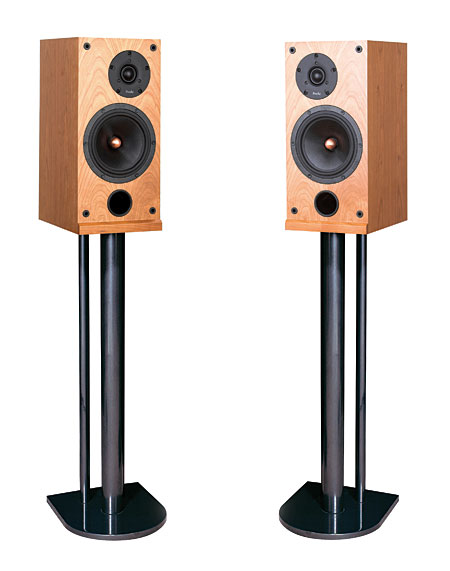
ProAc's Response D Two is a stand-mounted, two-way, ported loudspeaker with a a proprietary 1" silk-dome tweeter and woofer using a proprietary 6.5" cone of glass-fiber with a copper phase plug. At 17" high by 8" wide by 10.25" deep, the cabinet is taller and narrower than usual, owing to the fact that the port is centered below its mid/woofer.
ProAc Response D2R loudspeaker
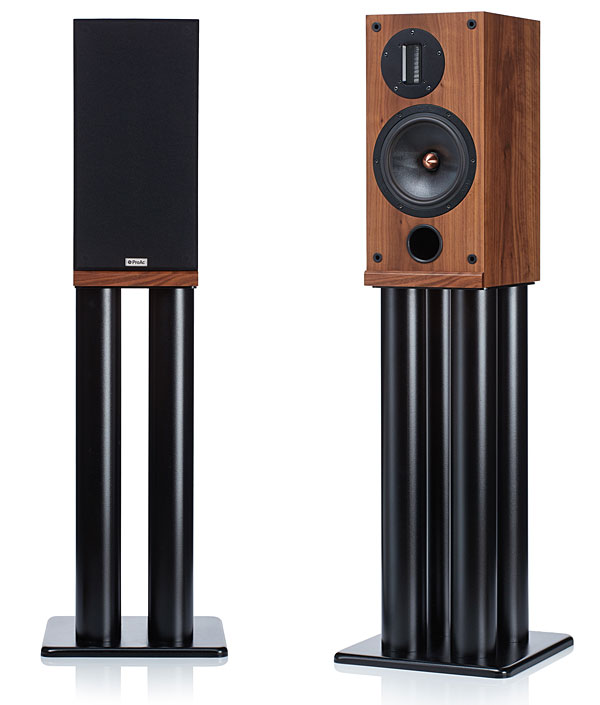
Between the mid-1980s and late 2000s, Stereophile published 14 reviews of loudspeakers from England's ProAc Limited. First came Dick Olsher's review of the ProAc Tablette in 1984. The latestuntil nowwas in 2010, when John Marks wrote about the ProAc Response D Two.
ProAc Response One SC loudspeaker
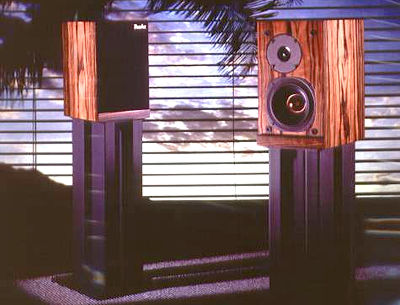
The ProAc Response One S was one of the very first products I reviewed for Stereophile back in 1994 (Vol.17 No.9). That review was such an over-the-top rave that John Atkinson felt obliged to audition the speakers himself before running my report. I assume he liked 'em too—after all, my review did see the light of day.
ProAc Response Two loudspeaker
I have a theory about "showing off" systems. I call it Zen and the Art of Keeping Your Yap Shut. Think about it: what's the first thing that pops into your head when someone tells you how great their system sounds? "Yeah, right!"
ProAc Studio 100 loudspeaker
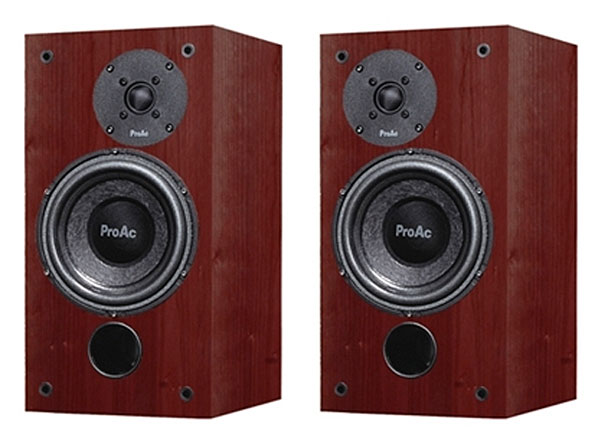
Of all the speakers I've heard through the years, the $3000 ProAc Response 2 (footnote 1) is definitely one of my all-time faves. One of the few high-end speakers at any price that sounds equally at home pumping out Prong as it does Puccini, the Response 2 blew me away with its incredible musicality and just plain "rightness." The Response 2 doesn't call strict attention to any one area of technical achievement, like so many Audiophile-Approved jobs, but just makes music so naturally and unforcedly that I hesitate, even considering its remarkable performance, to call it an "audiophile" loudspeaker. Yah, I dig the Response 2! So last year when ProAc introduced the Studio 100, a new affordable version of the Response 2, I got excited.
Proac Tablette loudspeaker
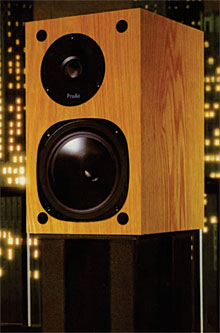
Small enough to fit in a shoebox, these little darlings from England almost manage to redefine the state of the art in very compact monitor design (footnote 1). Here's a speaker that isn't as neutral as the BBC">http://www.stereophile.com/standloudspeakers/361">BBC LS3/5a compact monitor, but that does manage to equal or exceed that venerable design in most respects.
PS Audio Aspen FR5 loudspeaker
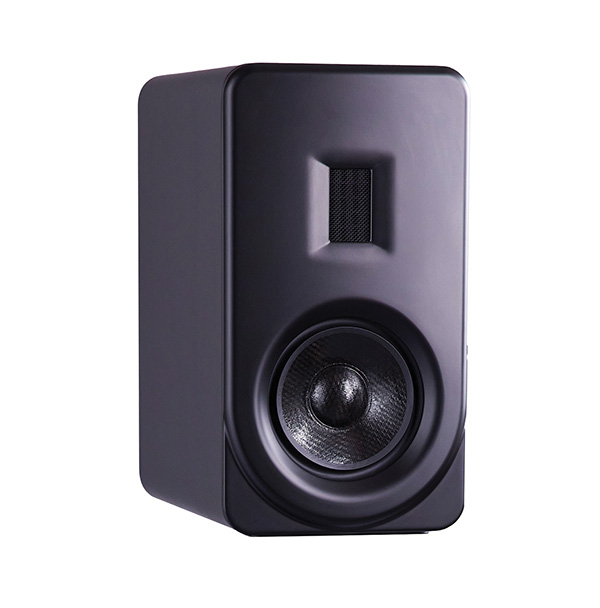
I remember the first PS Audio product: a simple phono stage. It was so simplea passive RIAA EQ filter flanked by a pair of primitive op-ampsthat when the schematic was made public, I built one myself; I was in the midst of my DIY years. I thought it was, to use a word from that time, nifty. Paul McGowan went on to other things and other companies, eventually reviving PS Audio and building it into its present form with a wide range of interesting and substantive products. Most recently, PS Audio added a line of loudspeakers inspired by Paul's erstwhile partner in other ventures, the late Arnie Nudell.
The PS Audio Aspen speaker line has four models, three 3-way floorstanders (FR30, FR20, FR10) and a single two-way standmount (the FR5, $3499/pair).
PSB Alpha A/V loudspeaker
The original PSB Alpha was reviewed for Stereophile by Jack English in July 1992 (Vol.15 No.7). A modest-looking two-way priced at just $199/pair, it combined a reflex-loaded 6.5" woofer using a plastic-doped paper cone with a 0.5" plastic-dome tweeter. JE summed up the Alpha by saying it "is simply one of the best buys in audio, providing a musically satisfying sound...a sensational audio bargain." It went on to become one of the best-selling audiophile speakers ever, with over 50,000 pairs sold.
PSB Alpha B loudspeaker
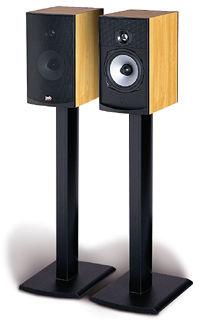
Paul Barton is a legend in the speaker business. For 25 years this musician and engineer has dedicated his life to providing speaker purchasers with higher levels of sonic realism at lower prices. Barton is a frugal perfectionist, and his obsession with psychoacoustics is evident in all his designs. I was mightily impressed with his midpriced Image 4T (Stereophile, February 2001), which was, like all Barton designs, designed with the assistance of the facilities of Canada's National Research Council.
PSB Alpha B1 loudspeaker
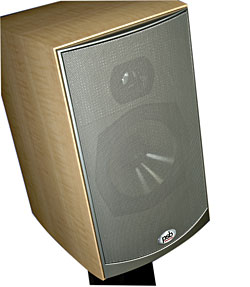
When audiophiles speak of the "Golden Age" of audio components, they almost always are talking about amplifiers and preamplifiers, not loudspeakers. While a very few speaker models have stood the test of time—among them the BBC">http://www.stereophile.com/standloudspeakers/361">BBC LS3/5a, the Vandersteen">http://www.stereophile.com/floorloudspeakers/914">Vandersteen 2, the original">http://www.stereophile.com/artdudleylistening/706listening">original Quad electrostatic and the Quad">http://www.stereophile.com/floorloudspeakers/416">Quad ESL-63, some of the Magnepans, and the Klipschorn—almost no one would disagree that, taken en masse, the speakers of today outperform not just those of the 1960s and 1970s but even those of the 1980s and 1990s. The advent of low-cost, computerized test equipment, high-quality, inexpensive measuring microphones, and persuasive research into what measured parameters matter most to listeners who are listening for a neutral-sounding, uncolored loudspeaker (footnote 1), has led to an almost across-the-board improvement in speaker sound quality (footnote 2).