May 12, 2014. The day it all began. Three major events happened in my life on May the 12th:
1. My violent hatred towards the USPS was born.
2. I spent the most I ever have, till this very day, on a yellow cab.
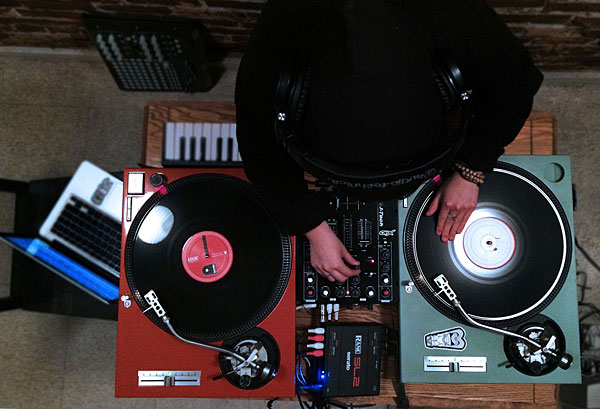
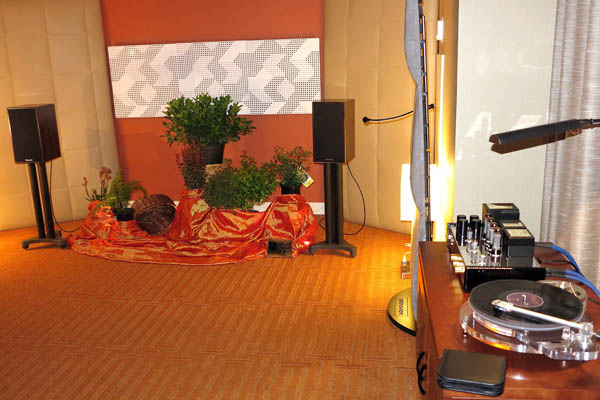
3. A divine pair of Technics SL1200 Mk.II turntables entered my life.
Well, they didn't exactly enter my life, per se. They were left on my (then) doorstep in West Harlem, which may give you some insight on #1. More on that later. I need to calm myself. (Sips Earl Grey vehemently in straightjacket.)
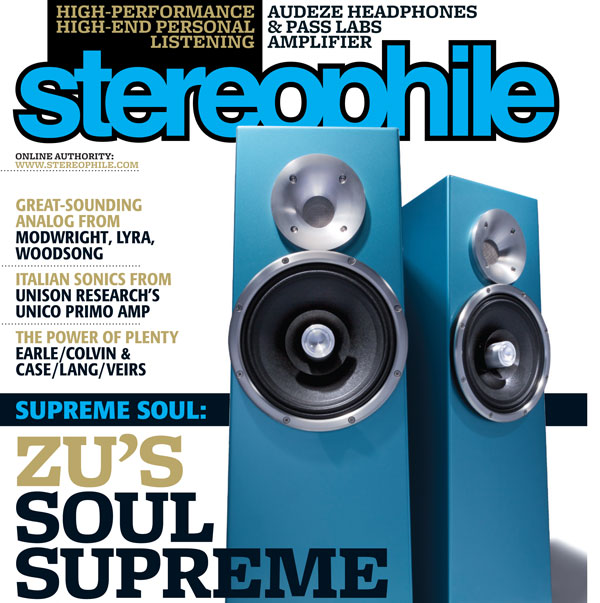
Our July issue hits newsstands and mailboxes this weekend. Jason Victor Serinus kicks things off by asking whether CES will remain a major show for high-end audio, but occupying pride of place on the cover is Zu Audio's Soul Supreme speaker. A big paper-cone driver (with a whizzer cone) operated full-rangewe all know that can't work, right. But Herb Reichert and John Atkinson found their preconceptions blown away by the sound.
Eine kleine Nachtmusik it ain't. And yet, in 1992, lightning struck, tectonic plates shifted, and the third symphony of Polish composer Henryk Mikolaj Górecki (19332010) became a bona-fide hit. Defying both skeptics and logic, a recording of this decidedly sepia-toned work, subtitled The Symphony of Sorrowful Songs, by the London Sinfonietta conducted by American maestro David Zinman, and featuring soprano soloist Dawn Upshaw, eventually sold over a million copies, making it the largest-selling recording of modern classical music ever.
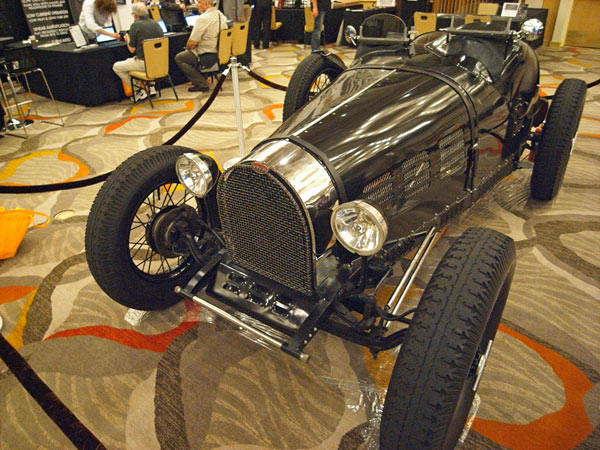
My beat at T.H.E. Show 2016 was the ground floor. En route to the audio exhibits, I was stopped dead in my tracks by this beautiful black Bugatti. No information on this particular car was available, but I assumed it was part of the display of tasty automobiles in the Hotel Irvine's lobby and outdoors pavilion, put on by Reus Car Audio Design, Whitledge Design, Wyred 4 Sound, Magnum Automotive Design, and The Source Audio Video Design Group. Pride of place in the car exhibit was Sony's Hi-Res Audio demo vehicle, which had been shown off two days earlier at the Capitol Studios event in Hollywood.