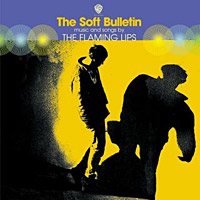
The Greatest Pop Album? The Flaming Lips: The Soft Bulletin

The Greatest Pop Album? The Flaming Lips: The Soft Bulletin

Hello all,
As the post subject suggests this is mostly intended for Wes Phillips but I guess the editor could enlighten me just as much 
At the end of the CES 2006 show report entry about Anthony Gallos new/improved Reference 3.1 there is a short sentence that suggests an upcoming review on those speakers by Wes P (and the traditional measurements by the editor -- one can hope/humbly ask for )
Hello, Can I use the above 3 watt (power consumption) Stereo Turntable, when I was previously using a 4 watt stereo turntable, the Aiwa PX-E800 model on the same hi-fi system? Does the lower Wattage off 1 watt make any great difference to the sound performance/loudness?
Please help thank you for early reply,
Jim9v
After re-reading Michael's "mini review" about Modified by B.P.T Alesis Masterlink i thought about asking you guys about any comments. Is anyone using one and what is its real purpose ? If one records an lp onto cd , the magic is gone.It's not analoque anymore,unless,this piece of equipment makes better cds than the allready excisting ones (i do not think this is a way to listen to lps through cd,right?)there is absolutely no purpose in purchasing one.
Wow, auditioning equipment in your home can be adventurous, disappointing, cross training,
and rewarding.
Recently I decided to upgrade from a basic solid state amplifier to a tube amp or integrated amp. I watched EBay bidding, called, E-Mailed, and discussed options, and searched for local dealers besides the nearby Tweeters and Best Buy.

From 5/06 "As We See It":
"Rollo was putting up all the money. He should have owned 100% of the company."
"The papers should have specified other things as well: that Rollo's cash infusions were to be documented, interest-bearing loans..."
I for one would like to hire JM to sue the companies I own common stock in for neglecting to pay me interest on my shares all these years.