"I don't get why some audiophiles still think that saving data using a lossless compression scheme like FLAC or Apple Lossless sounds any different than an uncompressed CD file," says <A HREF="http://www.sonos.com">Sonos</A> founder and VP of Sales and Marketing Thomas S. Cullen between bites of white fish shish kebab. "It's just mathematics, and the results are sonically identical, but you save half the space on your hard drive."
It's interesting: A small change can make such a big difference. I wake up, force myself out of bed, walk into my living room, and stop to admire the so-slightly-revised layout. So slight, the revision is, but I love it. It just seems right. It seems
Back when everyone was rushing to convert LPs to CDs, the boxed set was a wondrous thing. The rush to "box" every artist propelled the record biz to some of their best Christmas seasons ever. It even inspired some labels to get off their then wealthy asses and dig around the vaults to find that most marvelous of record label offerings, the "bonus track."
You've heard it said that the early bird catches the worm, which is all well and good if you like worms. If you're more interested in music, you might want to follow the lead of Roy Gandy instead: He's the managing director of Rega Research, a 33<SUP>1</SUP>/<SUB>3</SUB>-year-old audio company that was the very <I>last</I> of its kind to enter the CD market. Rega's first CD player, the <A HREF="http://www.stereophile.com/cdplayers/634">Planet</A> of 1996, was a success in virtually every way.
You've heard it said that the early bird catches the worm, which is all well and good if you like worms. If you're more interested in music, you might want to follow the lead of Roy Gandy instead: He's the managing director of Rega Research, a 33<SUP>1</SUP>/<SUB>3</SUB>-year-old audio company that was the very <I>last</I> of its kind to enter the CD market. Rega's first CD player, the <A HREF="http://www.stereophile.com/cdplayers/634">Planet</A> of 1996, was a success in virtually every way.
You've heard it said that the early bird catches the worm, which is all well and good if you like worms. If you're more interested in music, you might want to follow the lead of Roy Gandy instead: He's the managing director of Rega Research, a 33<SUP>1</SUP>/<SUB>3</SUB>-year-old audio company that was the very <I>last</I> of its kind to enter the CD market. Rega's first CD player, the <A HREF="http://www.stereophile.com/cdplayers/634">Planet</A> of 1996, was a success in virtually every way.
You've heard it said that the early bird catches the worm, which is all well and good if you like worms. If you're more interested in music, you might want to follow the lead of Roy Gandy instead: He's the managing director of Rega Research, a 33<SUP>1</SUP>/<SUB>3</SUB>-year-old audio company that was the very <I>last</I> of its kind to enter the CD market. Rega's first CD player, the <A HREF="http://www.stereophile.com/cdplayers/634">Planet</A> of 1996, was a success in virtually every way.
You've heard it said that the early bird catches the worm, which is all well and good if you like worms. If you're more interested in music, you might want to follow the lead of Roy Gandy instead: He's the managing director of Rega Research, a 33<SUP>1</SUP>/<SUB>3</SUB>-year-old audio company that was the very <I>last</I> of its kind to enter the CD market. Rega's first CD player, the <A HREF="http://www.stereophile.com/cdplayers/634">Planet</A> of 1996, was a success in virtually every way.
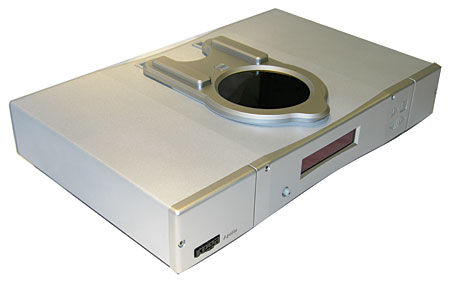
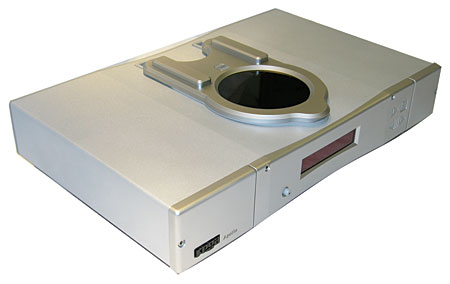
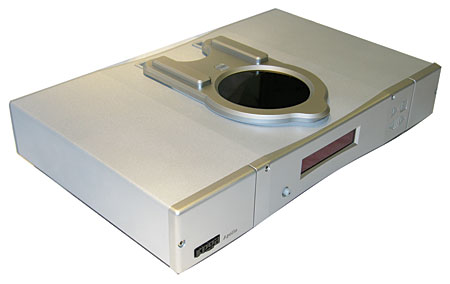
You've heard it said that the early bird catches the worm, which is all well and good if you like worms. If you're more interested in music, you might want to follow the lead of Roy Gandy instead: He's the managing director of Rega Research, a 331/3-year-old audio company that was the very last of its kind to enter the CD market. Rega's first CD player, the Planet of 1996, was a success in virtually every way.
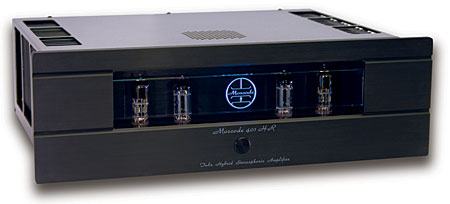
Where does one start with the Moscode 401HR? With its design, which marries a tube driver stage to a MOSFET power output? Or perhaps with its designer, George Kaye, who refined Julius Futterman's OTL amplifier circuits before creating New York Audio Labs' original hybrid amplifier, the Moscode 300, in 1984?