Boulder 810 line preamplifier & 860 power amplifier
Dec 23, 2007
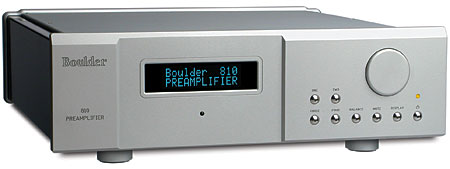
Boulder Amplifiers, named after the Colorado town where the company has resided since its founding 23 years ago, makes some of the most elegant-looking solid-state amps around. Chassis are anodized, aircraft-grade aluminum with rounded edges, machined and finished in-house. The two models reviewed here, the 810 line preamplifier and the 860 power amplifier, each have a sleek, compact build—stacked atop each other, the two stand just over a foot high—owing to extremely efficient packing of the circuitry inside. These are the company's "entry-level" electronics, but there's nothing cheap about them—the preamp retails for $6900, the amp for $8500—and for all their economical size, they <I>look</I> like luxury goods as well.
Simon Yorke Designs Series 9 turntable & tonearm Associated Equipment
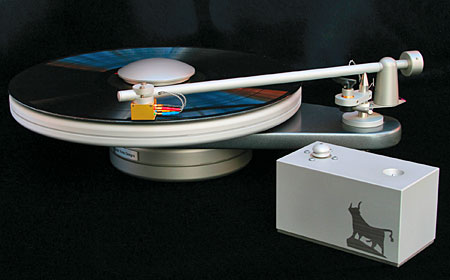
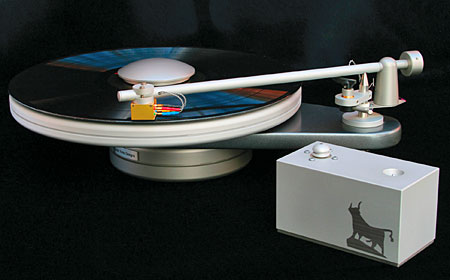
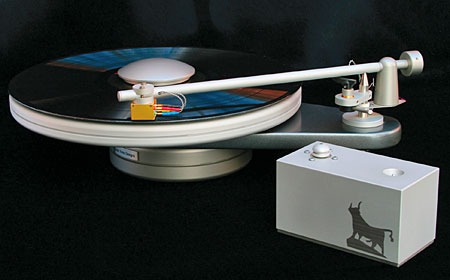
Simon Yorke is an artist, a machinist, an electronics wiz, and a political idealist. He's also an analog enthusiast who melds aesthetic and technical considerations into eye-catching, densely packed, compact record-playing devices that are ruggedly built and functionally elegant. His turntables' smooth, matte-gray, metallic finishes and efficient lines make them among the most visually pleasing ever made.
Simon Yorke Designs Series 9 turntable & tonearm Specifications
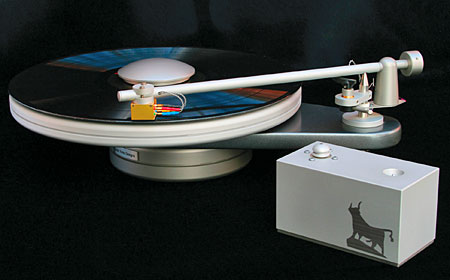
Simon Yorke is an artist, a machinist, an electronics wiz, and a political idealist. He's also an analog enthusiast who melds aesthetic and technical considerations into eye-catching, densely packed, compact record-playing devices that are ruggedly built and functionally elegant. His turntables' smooth, matte-gray, metallic finishes and efficient lines make them among the most visually pleasing ever made.
Simon Yorke Designs Series 9 turntable & tonearm Page 3
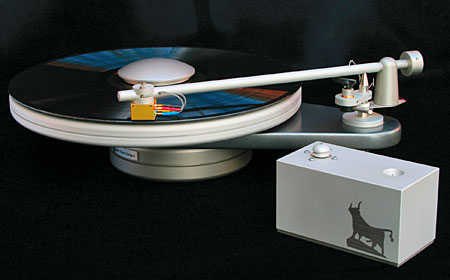
Simon Yorke is an artist, a machinist, an electronics wiz, and a political idealist. He's also an analog enthusiast who melds aesthetic and technical considerations into eye-catching, densely packed, compact record-playing devices that are ruggedly built and functionally elegant. His turntables' smooth, matte-gray, metallic finishes and efficient lines make them among the most visually pleasing ever made.
Simon Yorke Designs Series 9 turntable & tonearm Page 2
Simon Yorke is an artist, a machinist, an electronics wiz, and a political idealist. He's also an analog enthusiast who melds aesthetic and technical considerations into eye-catching, densely packed, compact record-playing devices that are ruggedly built and functionally elegant. His turntables' smooth, matte-gray, metallic finishes and efficient lines make them among the most visually pleasing ever made.
Simon Yorke is an artist, a machinist, an electronics wiz, and a political idealist. He's also an analog enthusiast who melds aesthetic and technical considerations into eye-catching, densely packed, compact record-playing devices that are ruggedly built and functionally elegant. His turntables' smooth, matte-gray, metallic finishes and efficient lines make them among the most visually pleasing ever made.
Zu Audio DL-103 MC phono cartridge Associated Equipment
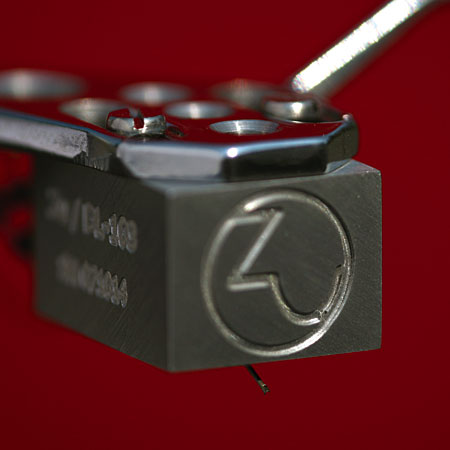
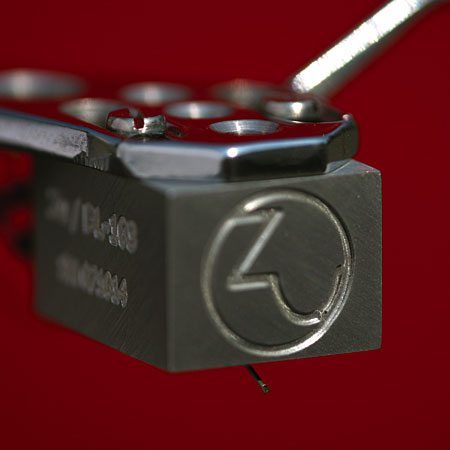
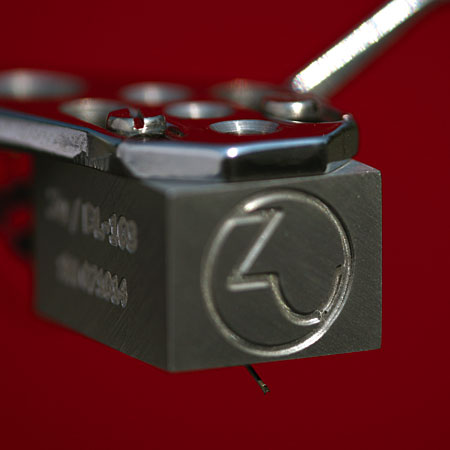
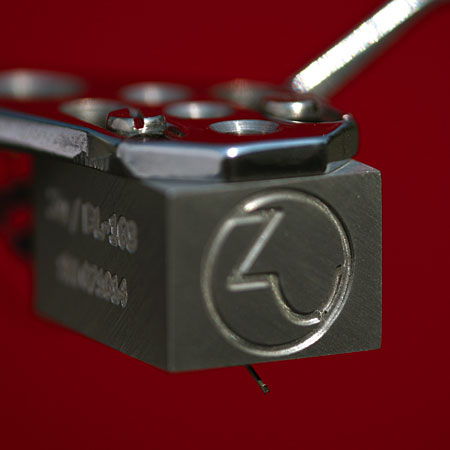
In 1962, when tennis rackets were made of wood, newspeople were known for challenging the government, and the off-Broadway musical <I>The Fantasticks</I> was in its second year (the show closed in 2002), Nippon Columbia's Denki Onkyo (or Den-On) division introduced to the professional audio world a brand-new moving-coil phono cartridge. Developed in cooperation with the Japan Broadcasting Corporation, the DL-103 was one of the first attempts at making a truly wide-bandwidth stereo cartridge that nonetheless could withstand the rigors of back-cueing. The DL-103 was a nearly instant success with broadcasters, and its popularity spilled over into the world of domestic audio.
In 1962, when tennis rackets were made of wood, newspeople were known for challenging the government, and the off-Broadway musical <I>The Fantasticks</I> was in its second year (the show closed in 2002), Nippon Columbia's Denki Onkyo (or Den-On) division introduced to the professional audio world a brand-new moving-coil phono cartridge. Developed in cooperation with the Japan Broadcasting Corporation, the DL-103 was one of the first attempts at making a truly wide-bandwidth stereo cartridge that nonetheless could withstand the rigors of back-cueing. The DL-103 was a nearly instant success with broadcasters, and its popularity spilled over into the world of domestic audio.
In 1962, when tennis rackets were made of wood, newspeople were known for challenging the government, and the off-Broadway musical <I>The Fantasticks</I> was in its second year (the show closed in 2002), Nippon Columbia's Denki Onkyo (or Den-On) division introduced to the professional audio world a brand-new moving-coil phono cartridge. Developed in cooperation with the Japan Broadcasting Corporation, the DL-103 was one of the first attempts at making a truly wide-bandwidth stereo cartridge that nonetheless could withstand the rigors of back-cueing. The DL-103 was a nearly instant success with broadcasters, and its popularity spilled over into the world of domestic audio.
In 1962, when tennis rackets were made of wood, newspeople were known for challenging the government, and the off-Broadway musical <I>The Fantasticks</I> was in its second year (the show closed in 2002), Nippon Columbia's Denki Onkyo (or Den-On) division introduced to the professional audio world a brand-new moving-coil phono cartridge. Developed in cooperation with the Japan Broadcasting Corporation, the DL-103 was one of the first attempts at making a truly wide-bandwidth stereo cartridge that nonetheless could withstand the rigors of back-cueing. The DL-103 was a nearly instant success with broadcasters, and its popularity spilled over into the world of domestic audio.