

"Fun, Interesting, Valuable" - discussions about audio ?
Forums
Your quote Stephen :-
>>> "Agreed. I'm closing all of the related threads, as well.
Thanks, everyone, for participating. I hope it was fun, interesting, valuable. I'm sorry for all of the negativity that was created along the way. Maybe we can revisit these ideas another time, in a more productive and mature way." <<<
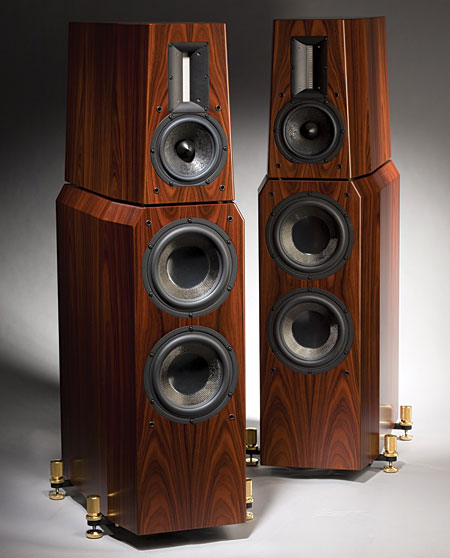
Aerial Acoustics 20T V2 loudspeaker Measurements
Aerial Acoustics 20T V2 loudspeaker Measurements
Company Info
- Read more about Aerial Acoustics 20T V2 loudspeaker Measurements
- Log in or register to post comments
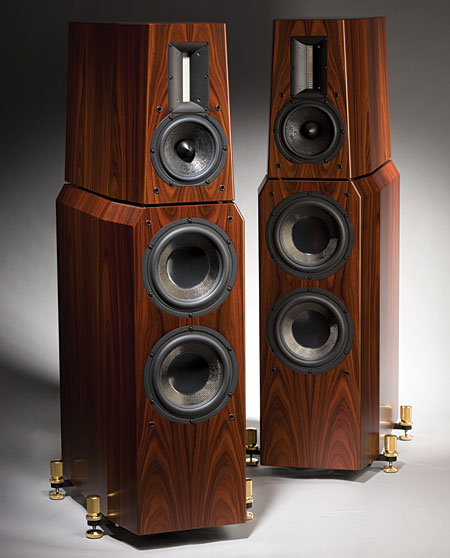
Aerial Acoustics 20T V2 loudspeaker Associated Equipment
Aerial Acoustics 20T V2 loudspeaker Associated Equipment
Company Info
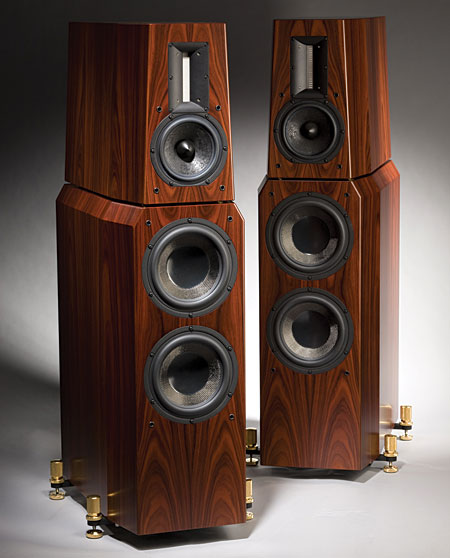
Aerial Acoustics 20T V2 loudspeaker Specifications
Aerial Acoustics 20T V2 loudspeaker Specifications
Company Info
- Read more about Aerial Acoustics 20T V2 loudspeaker Specifications
- Log in or register to post comments
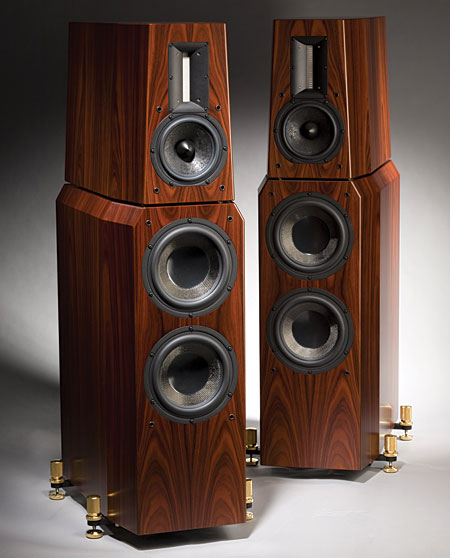
Aerial Acoustics 20T V2 loudspeaker Page 3
Aerial Acoustics 20T V2 loudspeaker Page 3
Company Info
- Read more about Aerial Acoustics 20T V2 loudspeaker Page 3
- Log in or register to post comments
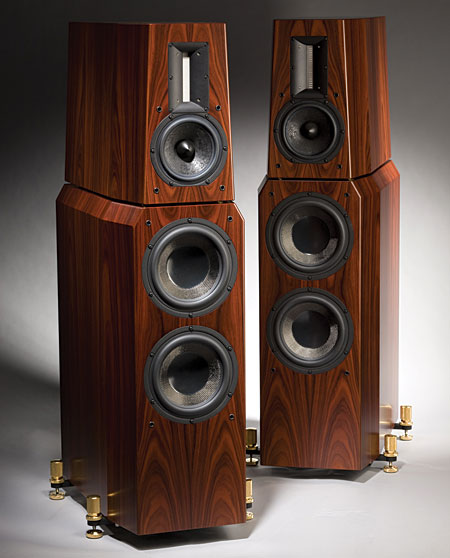
Aerial Acoustics 20T V2 loudspeaker Page 2
Aerial Acoustics 20T V2 loudspeaker Page 2
Company Info
- Read more about Aerial Acoustics 20T V2 loudspeaker Page 2
- Log in or register to post comments
Aerial Acoustics 20T V2 loudspeaker
Aerial Acoustics 20T V2 loudspeaker
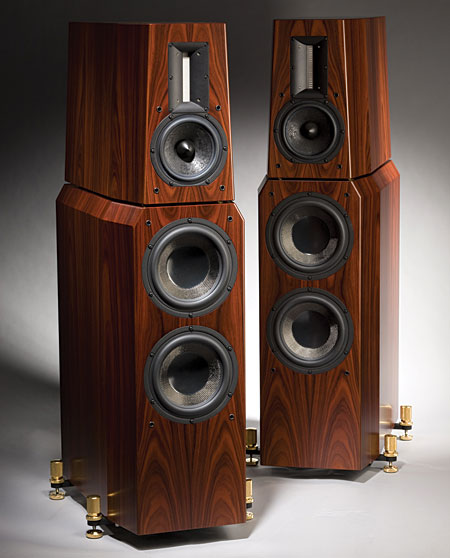
- Read more about Aerial Acoustics 20T V2 loudspeaker
- Log in or register to post comments
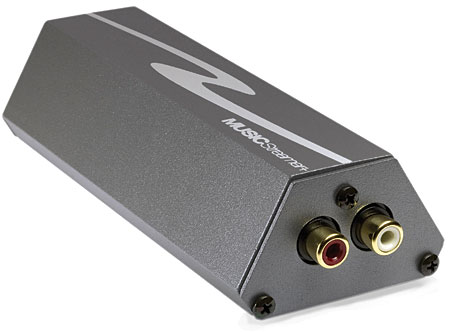
HRT Music Streamer+ USB D/A Converter Measurements
HRT Music Streamer+ USB D/A Converter Measurements
Company Info
- Read more about HRT Music Streamer+ USB D/A Converter Measurements
- Log in or register to post comments
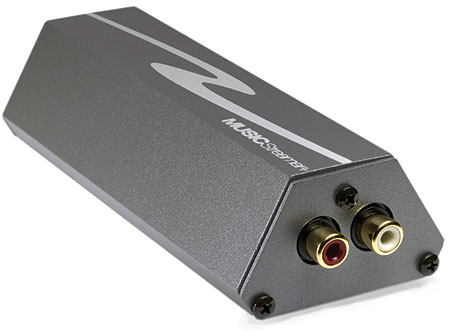
HRT Music Streamer+ USB D/A Converter Associated Equipment
HRT Music Streamer+ USB D/A Converter Associated Equipment
My little girl (the youngest, Lorelei.now 5 months) is a chronic spitter-upper..:).she is very , very, healthy but we go through a lot of jumpers and onesies. our other little one (now 3) had a hx of spitting up a lot, too...the docs r/o pyloric stenosis for both...said they were just having an issue with the formula ingredients..so we switched to soy based and formula just for chronic spitter-uppers..no change..so gotta try a new strategy..