In my high-school days, I visited a friend whose well-to-do dad proudly demonstrated his new Quad ESL system for us. First up was a recording of a man with heavy footsteps traversing the space from left to right. Next came a speeding police car, siren engaged, complete with Doppler tail. I found it impressive, and a little lame at the same time. My friend and I, in love with our own artsiness, preferred Fear of Music by Talking Heads and Drums and Wires by XTC, or (in a pinch) U2's Boy.
It wouldn't have occurred to me that I'd ultimately derive frequent joy from listening to sound effects (though in my case they're usually integral to the music, not apart from it). When I hear Yosi Horikawa's bouncing marbles on Wandering, I prick up my ears and smile. A panting dog on Holly Cole's Temptation, an overhead hovercar on the Blade Runner 2049 soundtrack ... bring it on. A babbling river on Andrew Bird's Echolocations; seed pods on Tom Waits's Blood Money; liquid splashes and crinkling paper on Felix Laband's Dark Days Exit ... yes, please. I don't care if it's a little gimmicky. It's also sensual in the original meaning of the word, an aural pleasure.
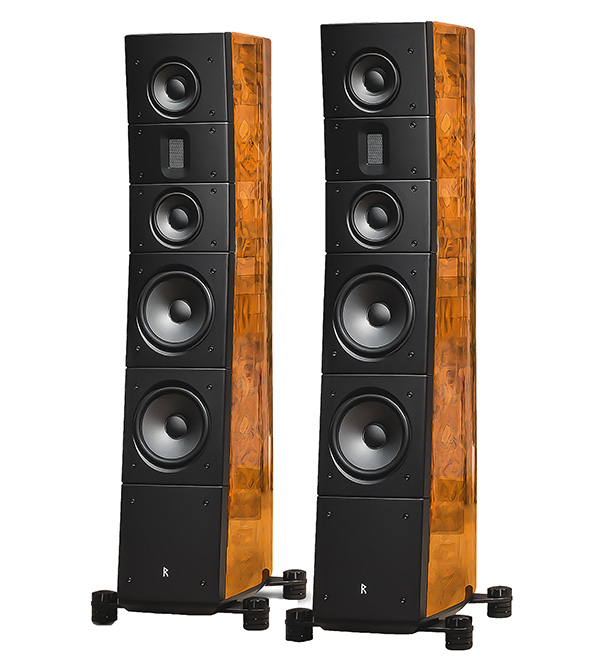
The Raidho TD3.8 speakers that, after three months, just departed my home, do the trick of conjuring points in space with great acuity.
Creating a new flagship model is never an easy task for an audio company. A good designer will have already incorporated all his or her best ideas into the prior flagship. For a follow-up, you typically get a scaled-up version of what came before, incorporating the kind of improvements a bigger budget will allow.
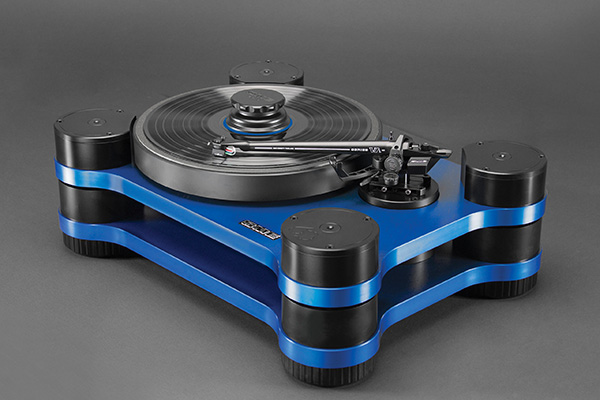
SME's history is well-documented. The company started out, in 1946, as an engineering company for hire. In 1959, after a few years supplying parts for the scale modeling and various other high-tech industries, company founder Alastair Robertson-Aikman wanted a better tonearm for his personal use. He leveraged the capabilities of his small engineering company to create what eventually became the legendary 3009 and 3012 tonearms. The reputation of the new arms spread quickly, and from the mid-1960s through the 1970s, SME dominated the high-end tonearm market. SME's corporate slogan was The Best Pick-Up Arm in the World, and few people at the time would have challenged that claim.