 Listening
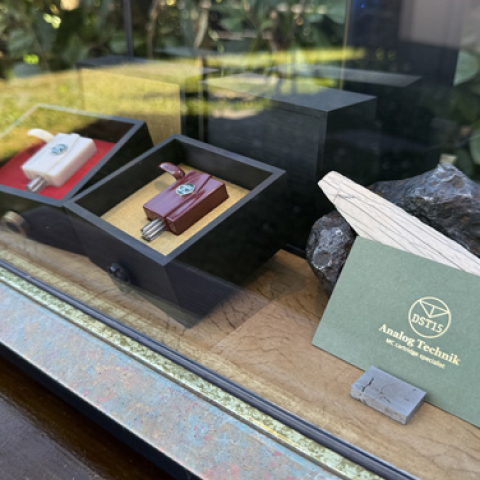
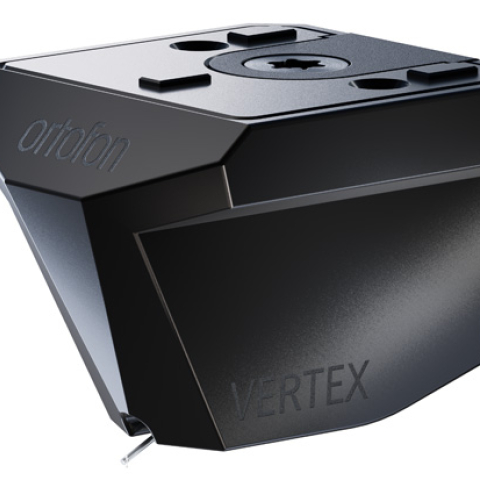
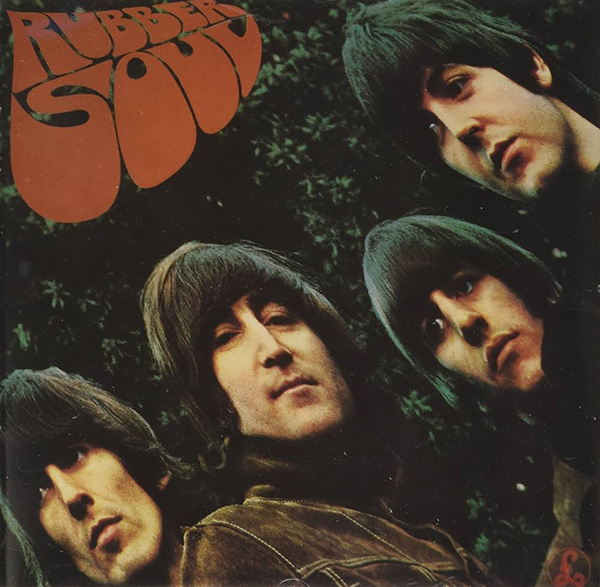
With the indicator light green, I positioned the Hana Umami Blue MC cartridge, mounted on the VPI FatBoy tonearm, over the lead-in section of a 1960s stereo pressing of The Beatles' Rubber Soul (Odeon 1C 072-04 115). The angular electric guitars of "Drive My Car" flared. I was immediately taken by the EVO 300's energy. The PrimaLuna conjured a panoramic stereo stage for the Beatles; this was the most balanced, cohesive reproduction of this album's music I've heard. Familiar elements remained but seemed subtly rearranged due to the increased clarity, presence, power, and immediacy I heard. The net effect was to render Rubber Soul with more life than I've previously heard. I was held in a tight, engaging focus. Though I was taken by the EVO 300's immediacy and drive, I found myself wondering if pairing it with the PrimaLuna EVO 100 phono stage was too much of a tubed thing. I found myself wanting more midrange clarity (footnote 3). I switched to the Aurorasound Vida MkII solid state phono stage. The music unfolded with more spaciousness especially affecting the upper mids and treble. There was a touch of forwardness. It was a trade-off, but the benefits were important. Bass tightened, clarity improved, and instrument separation was improved, allowing me to better hear the nuances of Ringo Starr's drumming, an important benefit for this (former) drummer. Similarly, Lennon and McCartney's vocals acquired cleaner textures and a more sensuous presence. The Aurorasound Vida MkII secured its place in the listening chain for the remainder of the review period.
 Moving to the present century, I put on Balmorhea's Pendant World (Deutsche Grammophon 4861989), a weird assemblage of intricate instrumentation and novel ambient production; think stray tracks from Pet Sounds or Surf's Up with a surreal edge. The EVO 300 portrayed this spacious music—bells, drums, whistles, and guitars popping in and out of the mix like shifting shadows—in a wide, deep stage, diffuse and eerie. As on Rubber Soul, the EVO 300 presented Pendant World cleanly, with excellent separation and statuesque height—consistent characteristics on music reproduced with this amplifier—yet each recording's unique character remained intact within a spacious soundstage. Within that stage, instruments were well-layered, with terrific detail and presence. This is an amplifier that allows music to breathe, opening up a window that was one of the purest I've experienced.
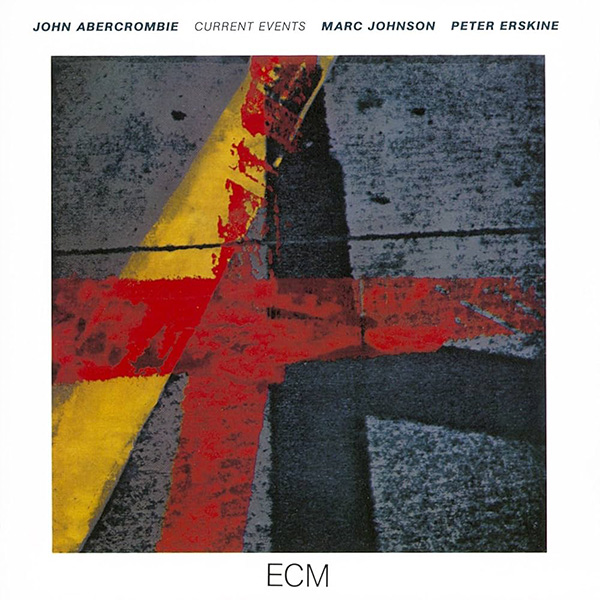
The EVO 300 resolved every element of John Abercrombie's Current Events (ECM 1311) with precision. "Clint" kicks off with an expansive Erskine funk groove; the EVO delivered Johnson's bass with stunning depth and gritty texture, rivaling even the track's synth low end—a first for this record with any amp I've used. Yet the sound remained natural and balanced. Abercrombie's guitar synth blips were rich and fluid. Dynamics seemed effortless. The smallest details were uncovered with superb separation and grunt-force power—a rare combination.
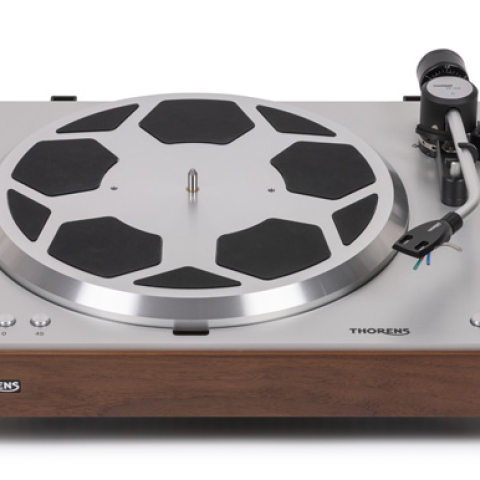
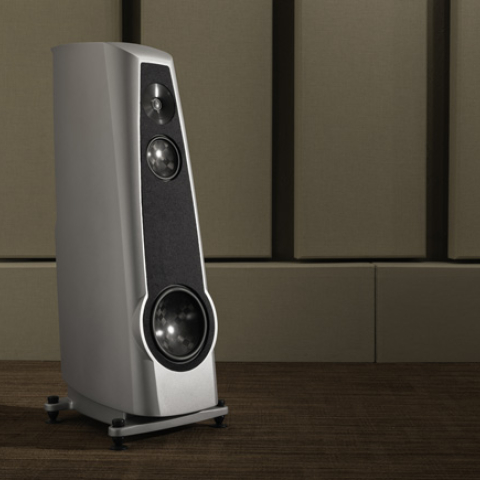
After that I spun Analogue Productions' 45rpm version of Blues and Roots, Charles Mingus's 1960 epic (APA 001-45). "Wednesday Night Prayer Meeting" detonated. While the soundstage on this recording is kind of flat, the exuberance and intensity of the musicians—as manifested by the EVO 300—beamed through, from raucous brass shouts to Mingus's hollers. The EVO 300 tied all these elements—this exceptional 45rpm pressing, the VPI Avenger Direct turntable, the Hana Umami Blue MC cartridge, the Volti Audio Razz loudspeakers—together in a seamless, intoxicating whole. Energy and life force of the music were palpable.
Moving to the present century, I put on Balmorhea's Pendant World (Deutsche Grammophon 4861989), a weird assemblage of intricate instrumentation and novel ambient production; think stray tracks from Pet Sounds or Surf's Up with a surreal edge. The EVO 300 portrayed this spacious music—bells, drums, whistles, and guitars popping in and out of the mix like shifting shadows—in a wide, deep stage, diffuse and eerie. As on Rubber Soul, the EVO 300 presented Pendant World cleanly, with excellent separation and statuesque height—consistent characteristics on music reproduced with this amplifier—yet each recording's unique character remained intact within a spacious soundstage. Within that stage, instruments were well-layered, with terrific detail and presence. This is an amplifier that allows music to breathe, opening up a window that was one of the purest I've experienced.
The EVO 300 resolved every element of John Abercrombie's Current Events (ECM 1311) with precision. "Clint" kicks off with an expansive Erskine funk groove; the EVO delivered Johnson's bass with stunning depth and gritty texture, rivaling even the track's synth low end—a first for this record with any amp I've used. Yet the sound remained natural and balanced. Abercrombie's guitar synth blips were rich and fluid. Dynamics seemed effortless. The smallest details were uncovered with superb separation and grunt-force power—a rare combination.
After that I spun Analogue Productions' 45rpm version of Blues and Roots, Charles Mingus's 1960 epic (APA 001-45). "Wednesday Night Prayer Meeting" detonated. While the soundstage on this recording is kind of flat, the exuberance and intensity of the musicians—as manifested by the EVO 300—beamed through, from raucous brass shouts to Mingus's hollers. The EVO 300 tied all these elements—this exceptional 45rpm pressing, the VPI Avenger Direct turntable, the Hana Umami Blue MC cartridge, the Volti Audio Razz loudspeakers—together in a seamless, intoxicating whole. Energy and life force of the music were palpable.
 With the DeVore Fidelity O/baby
Driving the DeVore Fidelity O/baby speakers (90dB/W/m, 8 ohm impedance) with the EVO 300 convinced me of the amp's tone-full delivery and forceful signature. The speakers were transformed. The EVO 300 made the music they produced sound meatier, denser, deeper, and more dynamic. The O/babys' soundstage was smaller than the Razz's, but it was more energized, focused, and alive—not just in comparison to the Razzes' soundstage but also than I've heard with these speakers driven by other amplifiers. I'd go as far as to say that the EVO 300 is the amplifier to pair with the O/baby. With the Quad Revela 1
The first new Quad loudspeaker design in seven years, the Revela 1 ($2499/pair, in for review) is a standmount, measuring 15" high × 10" wide × 12" deep and weighing 27lb. It uses Quad's "True Ribbon" tweeter paired with a 6.5" mid/bass driver (wood pulp/artificial fibers) to achieve a sensitivity of 86dB/2.83V/m, with a specified impedance of 6 ohms. Despite its small size, the QR1 delivers impressive low end alongside its signature brilliant, open, revealing treble.
 PrimaLuna EVO 400 integrated
For a year, I've enjoyed the all-tube PrimaLuna EVO 400 integrated, thanks to its relaxed presentation and liquid-sounding tonal character. Priced attractively $1000 less than its 300 Hybrid sibling, the EVO 400 facilitated similar instrumental separation, bass extension, and weight. However, in a direct comparison, the EVO 400 fell short of the Hybrid in immediacy, resolution, power, filling the room, subjective bandwidth, and drive. Riviera Labs Levante integrated
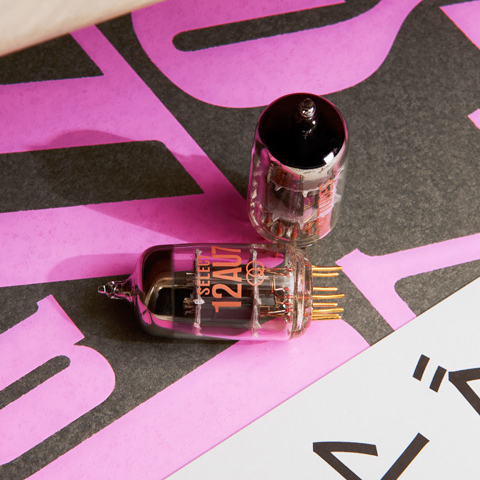
Priced at $16,500—more than double the price of the EVO 300 Hybrid—and outputting 30Wpc in class-A and 120Wpc into class-AB, this Italian integrated uses two Mullard ECC81/12AT7 triodes as driver stage for its BJT (bipolar junction transistor)/MOSFET solid state output.
The PrimaLuna EVO 300 Hybrid disrupted my preconception that pure tube amps are superior to amps with a solid state component. From the first note, the EVO 300 established itself as a modern classic, reproducing music fresh-scrubbed, juicy, spatially adroit, dynamically adept, and powerful. It possessed the liquidity and richness of a good tube amp, never crossing over into syrup or schmaltz. It boasts an undeniable aliveness that grabs you from the first note and never lets up. It's got drive. It engaged me in the music for many blissful hours. I'm no longer agnostic regarding hybrid tube/solid state integrated amplifiers, let alone committed to the all-tube approach. At least when it comes to the PrimaLuna 300 EVO, I'm a hybrid believer.
Footnote 3: Which may itself show that I've in fact moved beyond my "all tubes, all the time" phase.