

 Listening through a long break-in period
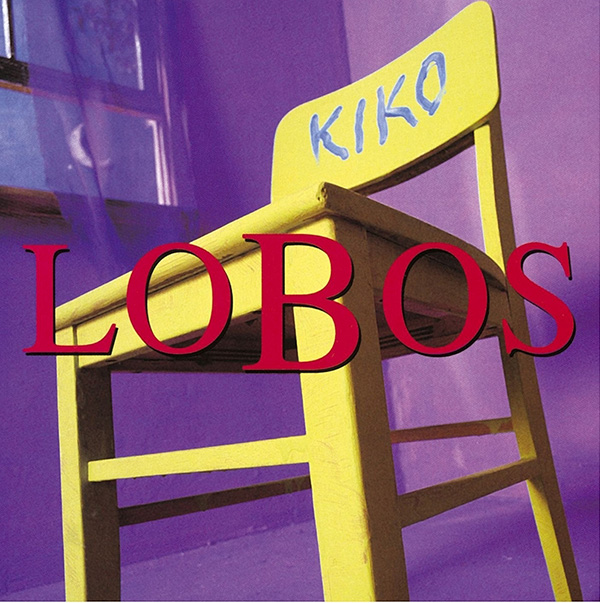
The Verdandes sounded pretty good just as they were set up by the Ø Audio guys, but I could tell they were green and stiff. The bass sounded like the amplifier was working hard to allow the woofers to give it their all. For many days, when my wife and I took the dog for a walk, I left the stereo cranked up with my Bass Test playlist on Qobuz (footnote 4). Slowly, the woofers got looser and quicker. In December, I had my audio buddies—Father Time (Dave, an old dude who's a drummer), Mike, and Farrukh—over for a listening session. They all preferred the Verdandes to most other large speakers I've had in for review. We listened to a variety of music, including selections from my Imaging Test playlist (footnote 5). Father Time and I especially liked how the Verdandes played "Kiko and the Lavender Moon" from Kiko by Los Lobos (16/44.1 FLAC, Rhino-Warner Brothers/Qobuz): the separation of instrument, the fast clickity-clack of the percussion, and the clear delineation of the two singers in the center. We liked the same precision detail in Natalie Merchant's "The Peppery Man" from Leave Your Sleep (24/96 FLAC, Nonesuch/Qobuz). On the minus side, the bass was sounding really heavy. I put two of the five foam plugs in each speaker. Instant improvement. After we listened to a few more songs, Farrukh suggested putting in another plug. That was even better, especially at higher listening volumes. I took that as a sign that the woofers were getting nearer their full potential.
 On the records
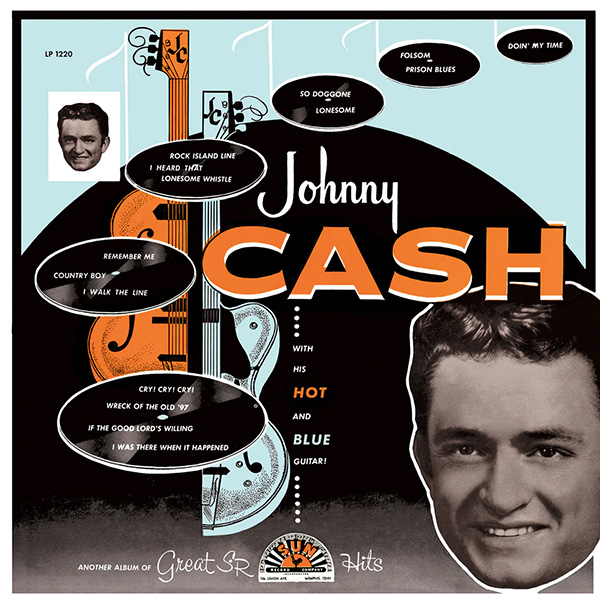
My time with the Verdandes coincided with a renewed enthusiasm for vinyl. I've recently added many wonderful records to the collection, and I'm happy with how the vinyl playback system in my living room sounds. I spent a lot of time listening to the modern mono remasters I detail elsewhere in this issue, with special highlights being the first LP from Johnny Cash (and Sun Records), Johnny Cash with His Hot and Blue Guitar!, just reissued by Intervention Records, and Rhino's six-LP box set John Coltrane: 1960–1964 Mono. On these records, expertly cut by Kevin Gray from true mono sources, the performers appeared sharply between the speakers, not spread out, and the Man in Black seemed like a living holograph, beautiful—and scary. I also spun the deluxe reissue box sets of Black and Blue by the Rolling Stones and Wish You Were Here 50 by Pink Floyd. The Verdandes presented full-scale rock'n'roll, especially the six-sided Stones concert at Earl's Court, London. Other albums of note in heavy rotation: Devo, Q: Are We Not Men? A: We Are Devo!, Rhino High Fidelity RHF1 3239, sounded very punchy and appropriately robotic but with a strong feeling of quirky humans making good music, with typically engaging Brian Eno production "treatments" right, left, and center. Buddy Guy, Junior Wells, and Junior Mance, Buddy and the Juniors, Verve/Acoustic Sounds 602475812999. Given the Acoustic Sounds treatment, the sound of this loose blues jam leaned hi-fi, but the playing was gutbucket fun.
 Colleagues' choices, and delivered from nowhere
While I had the Ø Audio speakers in the house, Stereophile's annual Records to Live For (R2L4) list was published. I spent part of an afternoon reading through it and collecting all of my colleagues' favorites that stream on Qobuz into a playlist. I set it for Shuffle mode as I built it, and I thoroughly enjoyed the mashups of classical, jazz, rock, folk, metal, and other genres.
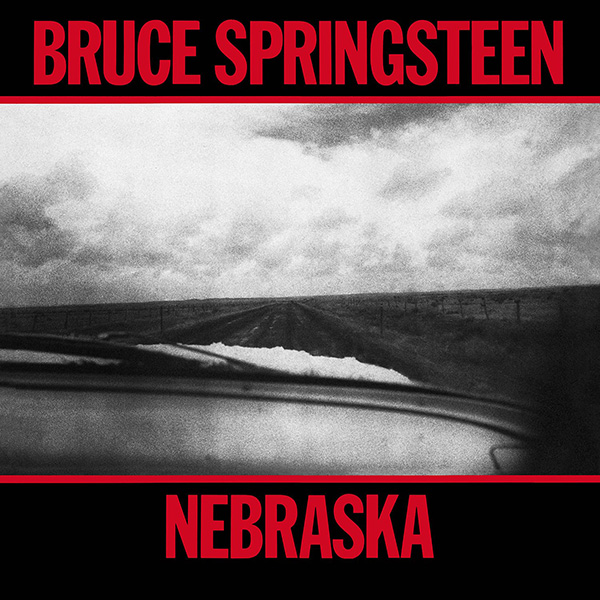 One night, my wife and I watched Springsteen: Deliver Me From Nowhere, last year's biopic about the creation of the album Nebraska and The Boss's wrestling match with the demons of depression. The movie inspired us to listen to the album, from the eight-CD box The Album Collection Vol.1. That version of Nebraska was remastered by Bob Ludwig from the 30ips master tape run through the Plangent Process. It is stunningly intimate, with only the sound effects of an Echoplex tape echo machine and the distortion and hiss from the primitive TEAC/Tascam Model 144 Portastudio four-track cassette recorder it was made on (footnote 6). At times the distortions and tape hiss add to the dark mood of the songs—for instance the hiss behind "State Trooper" brings alive the opening lyric: "New Jersey Turnpike ridin' on a wet night." We sat between the Verdandes, attention fully invested in the tales of hard times, desperate acts, and, at the end, reasons to believe. I've listened to that album dozens of times since I bought the first-pressing LP, and I can't say I've ever enjoyed it more.
 Bottom-line decisions
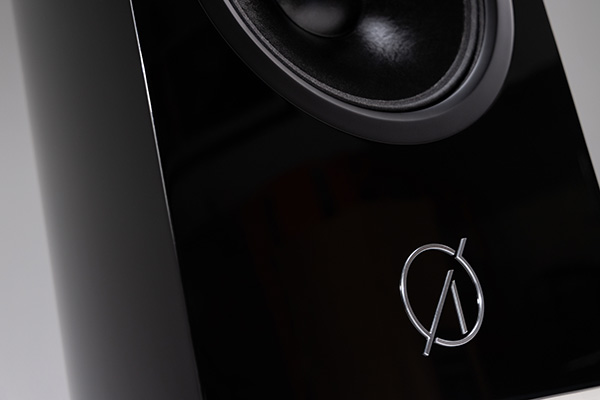
The Ø Audio Verdandes are large, heavy, and cost $45,000 a pair. For most people, that's a huge investment in music listening, not to be taken lightly. I recommend auditioning them with a well-known system and familiar music. Make sure the audition pair is broken in and properly set up. If at all possible—this is a big ask for big speakers—audition them in your own listening space and test placement in the room and toe-in angles until you find the best sound at your seat. They are built and finished like fine furniture or a fancy piano, which will likely make them blend with many decors despite their bulk. The Verdandes gave me many hours of enjoyable listening. They played as loud and large as I wanted for any kind of music, from full-size symphonic to down-and-dirty rock and blues. Although they don't go down to the lowest floor-thumping bass, they provide plenty of beat, bump, and bassline. They produced a wide, high, deep, hyperdetailed stereo image. With mono music that was well mastered, they presented the music narrow-focused in the center, allowing the life forces of the performers to emerge. With some records, the effect was startling. The Verdandes took a long time to fully break in, but in the end, they rewarded my patience. They make a dramatic statement in both looks and sound. If you're in the market for room-filling, full-scale speakers and have a budget in the Verdande's range, check them out.
Footnote 4: Hear my Bass Test playlist at open.qobuz.com/playlist/21395182. Footnote 5: Hear my Imaging Test playlist at open.qobuz.com/playlist/22204090. Footnote 6: See tascam.com/us/learn/detail/93165.















