Audio Skies Michael Vamos - YG Acoustics, JMF Audio, Ideon at Capital Audiofest 2025
The Listening Room and Fidelity Imports - Diptyque DP-160 Mk.2 at Capital Audiofest 2025
Fidelity Imports Audia Flight and Perlisten System
Fidelity Imports Wilson Benesch and Audia Flight System at Capital Audiofest 2025
J Sikora Aspire, Innuos Stream 3, Aurender N50, Gryphon Antileon Revelation, Command Performance AV
Bella Sound Kalalau Preamplifier: Interview with Mike Vice
BorderPatrol Zola DAC – Gary Dews at Capital Audiofest 2025
Audio Note UK TT3 Reference Turntable Debut at Capital Audiofest 2025
Kevin Hayes of VAC at Capital Audiofest 2025
2WA Group debuts Aequo Ensium at Capital Audiofest 2025
Capital Audiofest 2025 lobby marketplace walk through day one
Lucca Chesky Introduces the LC2 Loudspeaker at Capital Audiofest 2025
Capital Audiofest 2025 Gary Gill interview
Sponsored: Pulsar 121
Acora and VAC together at Capital Audiofest 2025
Scott Walker Audio & Synergistic Research at Capital Audiofest 2025: Atmosphere LogiQ debut
Sponsored: Symphonia
Sponsored: Symphonia Colors

LATEST ADDITIONS

Recording of May 2011: Dynamite Steps
The Twilight Singers: Dynamite Steps
Sub Pop SPCD 844 (CD). 2011. Greg Dulli, prod.; Brenndan McGuire, Ben Mumphrey, Steve Nalepa, Mike Napolitano, others, engs. AAD? TT: 43:03
Performance ****
Sonics ****

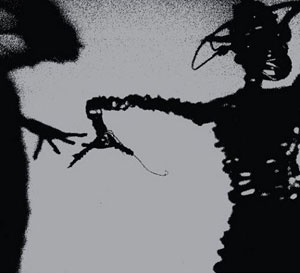
Unleash "Retarded," the unforgettable first track of Up In It (1990), the Afghan Whigs' first Sub Pop album—the one with the eerie stitched-up hand on the cover—and immediately the madness seeps out. No one has ever done the angry leer and tormented spat quite like AW singer/songwriter Greg Dulli. As the charismatic leader of one of the nastiest, hardest-edged live acts ever to prowl a 1990s indie-rock stage, he and the Whigs were one of the Yo MTV 120 Minute generation's most striking acts—one that combined buzzy guitar thunder with odd but welcome leanings toward classic R&B that persist to this day in the Twilight Singers. The assault of the Cincinnati-based Whigs was led by Dulli, a seemingly normal Ohio boy whose unhinged wailing, self-flagellating lyrics, and shrieking, Cobra-like stage persona made him a rock star: dangerous candy for the girls, unhinged fury for the fellas.
Continue Reading »

When the Music's Over

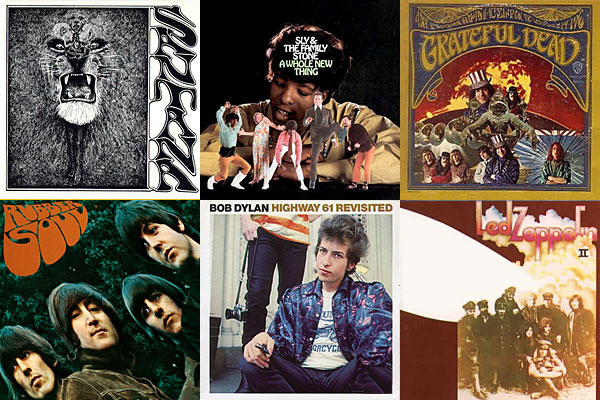
It's one of those good news/bad news stories: more people are listening to music than ever before, but the major record labels are in dire straits. Some of the reasons for the record industry's malaise are easy to spot—teenagers and grandmas grooving to music-streaming services like Spotify, Pandora, and MOG, or ripping each other's CDs—but the music industry's problems run deeper than lost sales. Digital audio mortally wounded recorded music's creative mojo in 1982, and the record industry never fully recovered.
Continue Reading »

Kronos Quartet: Now part of the canon

Photo by Zoran Orlic

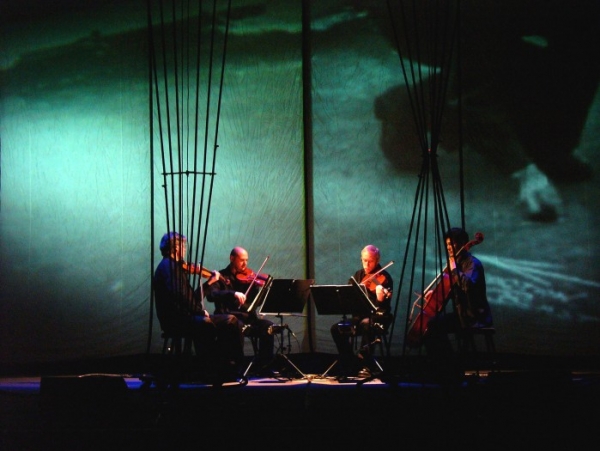
The Kronos Quartet has won this year's Avery Fisher Prize for chamber music, and the significance is stunning. With one fell (though belated) swoop, the boundaries of the conventional canon are broadened, if not obliterated. The Fisher Prize, set up in 1975 and awarded every three years since, is a conservative enterprise. Somewhat like the American Academy in the field of literature, it was designed to enshrine those who have ascended to the peaks through the established, long-trod paths. Past winners have included . . .

Continue Reading »

25 Years of Stereophile

Sunday, May 1, marked John Atkinson’s 25th anniversary as editor of Stereophile&#151an outstanding and admirable accomplishment, and one increasingly rare in this fast-paced, ever-changing modern world.

John celebrated in typical fashion: He didn’t mention the achievement to anyone, but kept his head down, eyes buried in a great pile of ink-stained proofs, as we raced to ship our July 2011 issue to pre-press. Such effort and diligence should come as no surprise: It was John who transformed Stereophile, once a rough and rogue ’zine abiding by no particular publishing schedule, into the professional, dependable, influential magazine it is today.

I can’t imagine anyone working as hard or as purposefully as my boss, John Atkinson. Each day is an honor. The man sets a high and excellent example: I want to be just like him.

Congratulations, John! Enjoy that beer tonight. Or, uh, that tutti-frutti martini thing, whichever you prefer. After 25 years of service, I guess you’re allowed to drink whatever you want.

Continue Reading »

Shure In-Ear Series SE215, SE315, SE425, and SE535

This story originally appeared at InnerFidelity.com

Evolution is not like a car wash; it's not some process with a beginning, a middle, and an end. It's messy; it makes mistakes; sometimes it moves in a particular direction; sometimes it just goes in circles refining things. Evolution doesn't really know where it's going until it gets there.

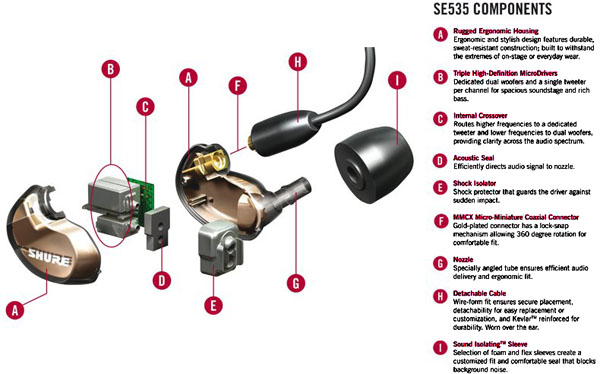
Since 1997 Shure has been evolving its line of in-ear headphones. It seems to me they've both run in circles on the ergonomics, and made a bee-line for good sound. Let me explain.

Continue Reading »

Muse Model 150 monoblock power amplifier

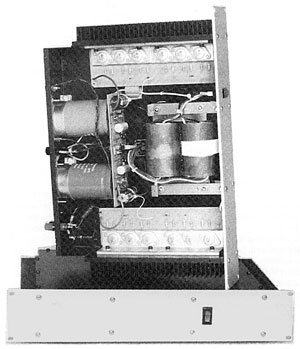
The name Muse Electronics is probably unfamiliar to most audiophiles, requiring some background on the company. Muse is the hi-fi offshoot of a company called Sound Code Systems, a manufacturer of professional sound-reinforcement speaker cabinets and power amplifiers. Founded in 1980, SCS enjoyed some success with its line of MOSFET professional power amplifiers. In 1988, SCS's Michael Goddard and Kevin Halverson, both audiophiles and tube aficionados, redesigned their amplifier for the high-end hi-fi market.
The results are the Model One Hundred (a 100Wpc stereo power amplifier) and the Model One Hundred Fifty ($1900/pair), the 125W monoblock reviewed here. According to Michael Goddard, the primary design goal was to achieve a tube sound with the reliability and ruggedness of transistors. MartinLogan CLS speakers were used extensively during the design/listen/design cycle. As a result of their listening auditions and redesign, many of the changes have now been incorporated into their professional products.

Continue Reading »

Joe Lovano: a Far Out Fugue

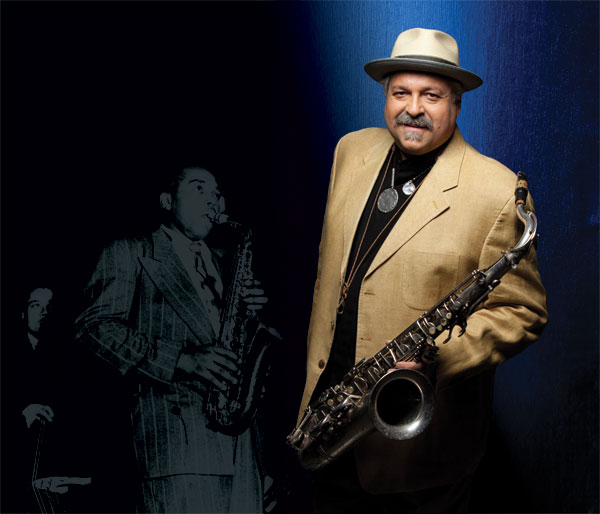
Whistling ductwork, whirring fans, murmuring pipes—along with being jazz's most storied location, a living shrine to the memories of Bill Evans, John Coltrane, and so many others, Manhattan's Village Vanguard, on Seventh Avenue South, was, on this winter's night, the Das Boot of jazz. In every corner, every stairwell, every square foot of available backstage space, some kind of furnace machinery audibly ground, banged, and/or wheezed away.
Continue Reading »
Advertisement
Advertisement
Advertisement