J. Gordon Holt
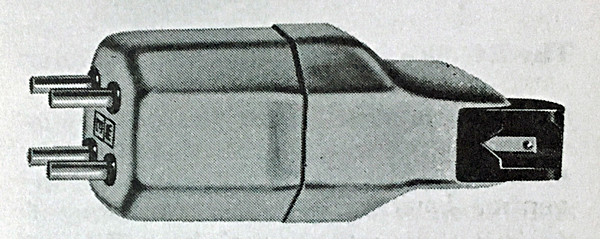
Empire 880P phono cartridge
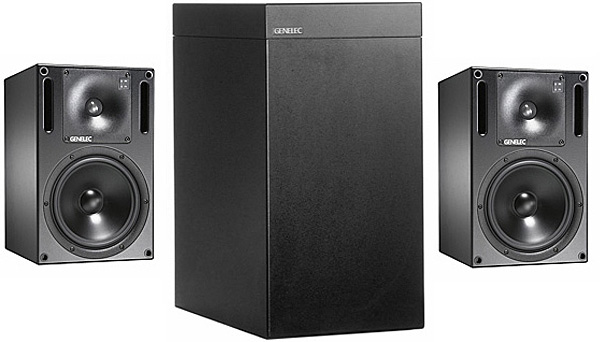
Genelec Studio Monitor 1031A loudspeaker & Studio Monitor 1092A powered subwoofer
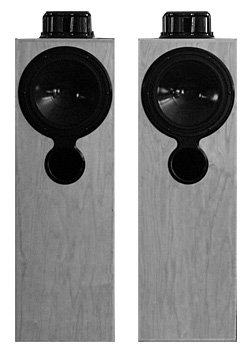
Linaeum Model 10 & Center-Channel loudspeakers
It's been a long time since we've seen a really new tweeter design. Only five basic types have ever been developed: cones, domes, panels, ribbons, and ionic plasmas. And the most recent of thesethe long-defunct DuKane "blue-glow" Ionovacwas introduced 40 years ago. Since then, tweeter development has been more evolutionary than revolutionary, a series of refinements that has made them more efficient, more reliable, and smoother and more extended in response.Carver Silver Seven-t monoblock power amplifier
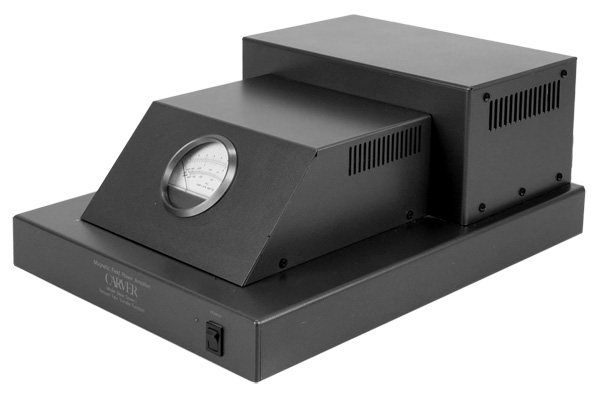
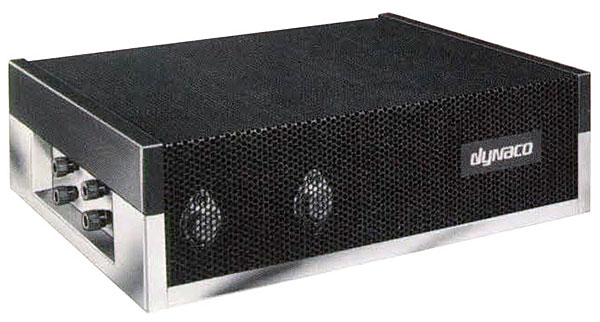
Interestingly, Bob Carver chose vacuum tubes to realize his dream of building the ultimate power amplifier. The Silver Seven uses fourteen KT88 output tubes per channel, and puts out 375W into 8 ohms. Bob built three pairs of Silver Sevens, not expecting to sell many at the $17,500 asking price. When those sold quickly, another 10 pairs were manufactured. Now, demand is so great that Silver Sevens are built in groups of 30 pairs.
The Pros & Cons of Electrostatic Loudspeakers
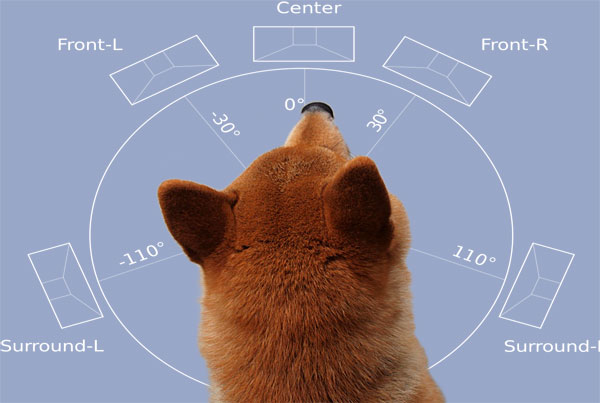
Surround Sound: High Tech Meets the Beast Within Us
Recording of November 1962: Berlioz: Symphonie fantastique
Boston Symphony Orchestra, Charles Munch, conductor
RCA Victor LSC-2608 (LP). TT: 48:40
It is easy to forget that the hi-fi movementsthe "March to the Scaffold" and the "Dream of a Witches' Sabbath"comprise barely a third of the music in the Symphonie fantastique, yet when we listen to most of the available versions of this, we can understand why the first three movements are usually passed up by the record listener. Two are slow and brooding, one is a wispy sort of waltz, and all three require a certain combination of flowing gentleness and grotesquerie that few orchestras and fewer conductors can carry off. It is in these first three movements where most readings of Berlioz' best-known work fall flat. Either they are too sweetly pastoral or too episodic and choppy, or they degenerate into unreliered dullness.
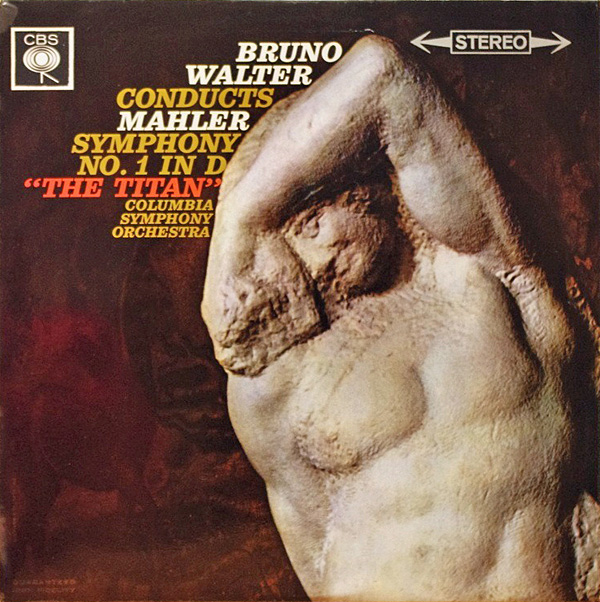
Recording of March 1963: Mahler: Symphony No.1
Columbia Symphony Orchestra, Bruno Walter, conductor
Columbia MS-6394 (LP). John McClure, prod. TT: 52:15
This is one of those rare combinations of a superb recording and a stunning performance. As far as I'm concerned, it is the best Mahler First that Bruno Walter committed to discs during his lifetime, including the last one that he made with the New York Philharmonic. And the fact that this recording is far superior to that accorded Walter when he conducted the New York Philharmonic does not detract one bit from my feeling about this new release.
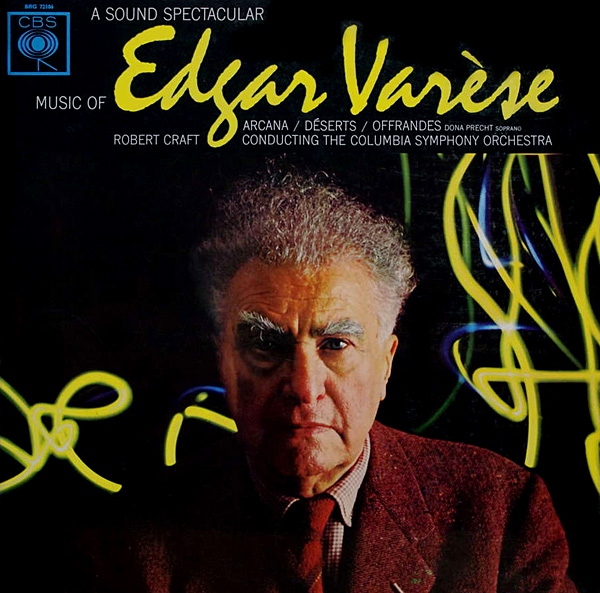
Recording of December 1963: Music of Edgar Varèse, Vol.2
Arcana, Déserts, Offrandes, Chanson De Là-Haut (Song From High)
Dona Precht, soprano, Columbia Symphony Orchestra, Robert Craft, conductor.
Columbia Masterworks MS-6362 (LP). John McClure, Thomas Frost, prods. TT: 24:45.
In electronic music, the sounds of musical instruments, natural noise-makers and electronic signal generators are recorded on tape, modified by running them at higher- or lower-than-normal speeds and manipulating their tonal content, and then combined in rhythmic and tonal patterns to create entirely new forms of music.