What’s Going On With Krell?
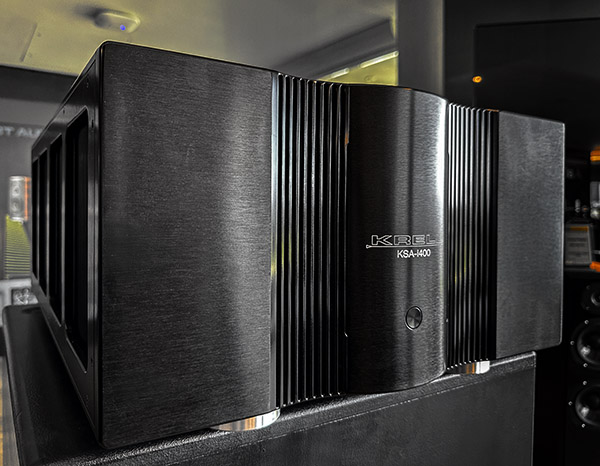
In a Connecticut courtroom on Wednesday, Kristofer D'Agostino, son of late Krell owner and CEO Rondi D'Agostino, won control over his own trust, opening a path for Krell to begin to get its ducks in a row.
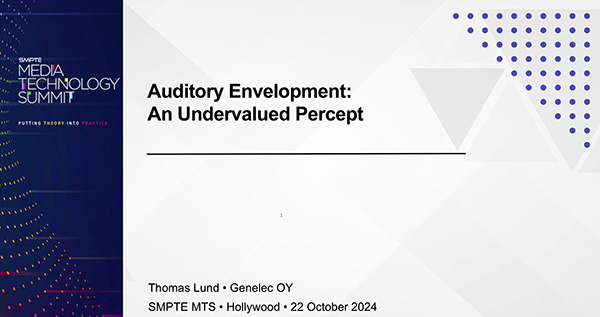
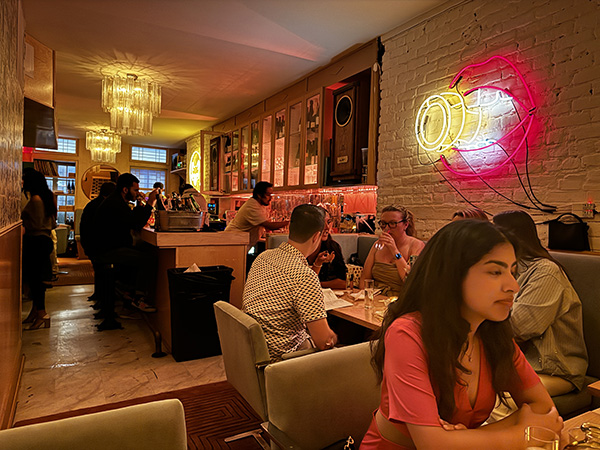
In addition to resetting that bit of conventional wisdom, Lund's study may have uncovered an important contributor to the feeling of envelopment so many audiophiles crave, itself a profound source of pleasure beyond the music itself. As I have often said, and probably written once or twice, listening to a good hi-fi system is like getting a massage.
After that article hit newsstands, I got feedback, much of it of the "get off my lawn" variety.
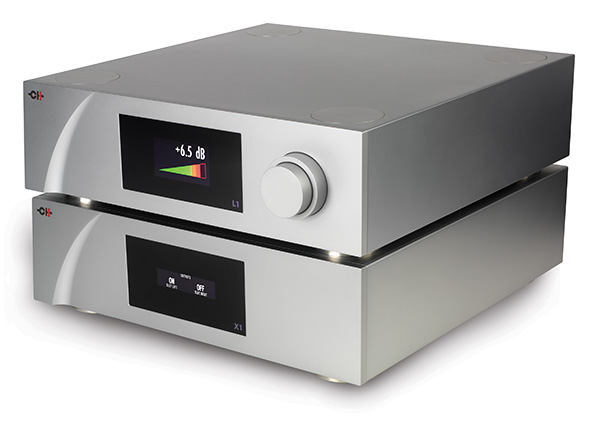
That's why I'm reviewing the CH Precision L1 line preamplifier ($34,500 in silver), which has been on the market for several years.
As John Atkinson reported in the October Stereophile (see Industry Update), the FTC recently announced a revision to the "Amplifier Rule," with changes that took effect in August. It's the culmination of a process that lasted several years and a significant modification of a rule that has been in place for half a century. Amplifier manufacturers take note. Then in mid-August, the FTC announced the final version of a new rule aimed at banning fake reviews and fake product testimonials. It also forbids companies from intimidating people engaging in critical speech.
It's rare for an artist to win Recording of the Month honors for consecutive albums released within a few months of each other, and frankly, I don't feel great about it. But I cannot pass over Heart, the latest album from Jerome Sabbagh, which he recorded in a distinguished trio with Joe Martin on bass and the legendary Al Foster on drums.
In the August issue's As We See It, Tom Fine and I encouraged readers to hold on to their physical mediathose black and silver discseven if they're stashed away in a closet or attic, replaced by hi-rez streaming. An important reason we gave is that with physical media (in contrast to streaming), you know exactly what you're listening toor at least you can know, with a little work.
Also if you want to, you can do a lot of work, since there is much to know and to learn, especially about vinyl records (and shellacs), and learning about themabout the labels and those arcane codes in the runout groove areais a big part of the music-collecting hobby. Serious record collectors are likely to have several pressings of favorite albums and to know the provenance of each one. With streaming, you're limited to whichever version they end up with, and usually they don't bother to tell you which version it is. An example is Rock for Light by Bad Brains, which is considered by Robert Baird in this month's Aural Robert.
In all those cities, the 1920s was a time of ballrooms and big music halls. In Detroit, "society bands" black and white played through-composed, jazz-inflected music, according to a narrative put together by Cliff Coleman and Jim Ruffner for the local jazz museum. The proliferation of orchestra chairs meant that skilled musicians familiar with a range of musical styles could find work, especially if they read music. It also meant that Detroit was ready when, in 1927, Don Redman, who had been the chief arranger for Fletcher Henderson's band, moved to the city to lead William McKinney's Cotton Pickers, the resident Black jazz orchestra at Detroit's Graystone Ballroom. The Pickers soon became an important touring band, with a national reputation. Big-name orchestras like Duke Ellington's and Fletcher Henderson's started to visit the city; on Monday nights, the national bands would "battle" local bands.

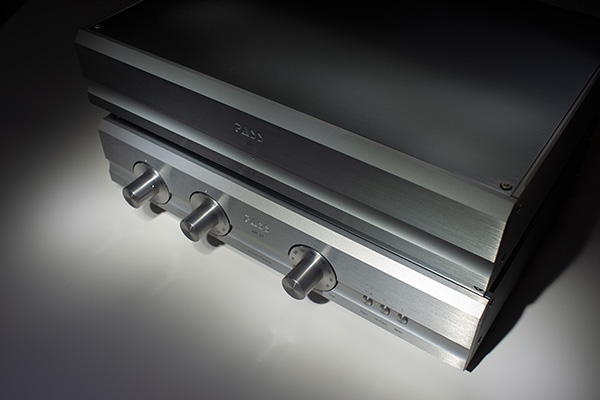
Pass Labs has a lot of owner's manuals online. Reading through one, I encountered the following passage; you'll find the same or similar language in other manuals and on the Pass Labs website. I present it not only because I admire it and agree with the philosophy it expresses but also because it captures the spirit of the product under reviewthe XP-27 phono preamplifier ($12,075 in silver)at least as I've experienced it during an extended review period. Here it is, quoted at length with some slight adjustments to make it consistent with Stereophile's editorial style...