Headphone Reviews

Sort By: Post DateTitle Publish Date

Ultimate Ears 18 Pro in-ear headphones
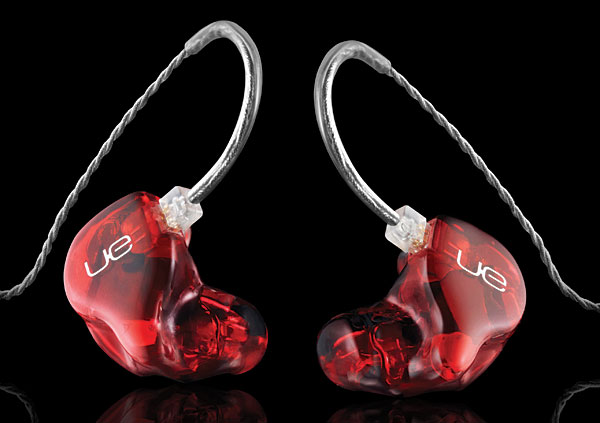
Headphone listening is hot these days, due not only to the ubiquity of the iPod as a music source but also because it is possible to get state-of-the-art headphone playback without having to have stupidly bottomless pockets. A plethora of affordable high-quality headphone amplifiers are available, and high-performance 'phones can be had for a few hundred dollars. Used with a computer or iPod to play uncompressed WAV or AIF files or losslessly compressed FLAC or Apple Lossless (ALAC) files, a headphone-based system can offer the audiophile on a budget seriously good sound.
Music in the Round #45

I remember my first experience with headphones. In 1960, I bought a set of Trimm dual 'phones (less than $5) and rewired them for stereo. The experience was remarkable for several reasons. First, it brought the sounds into my head—I was thrilled with the impact. Second, stereo effects, especially with Enoch Light's ping-pong LPs (eg, Provocative Percussion, Command RS800SD), were striking. Third, I could play them really loud without bothering others. Of course, they had no bass, brittle treble, distorted at high levels, and their wire headband and Bakelite earpieces were uncomfortable. My fascination with this gimmick quickly faded.

Etymotic Research hf2 & hf5 in-ear headphones

Ah, how the times change. When I reviewed Etymotic Research's ER-4S in-ear headphones in the July 1995 Stereophile, they seemed expensive to me at $330, but well worth that seemingly high price: at the time, they were the best headphones I'd heard. Nowadays, with reference headphones costing well north of a kilobuck, the price of the ER-4S seems relatively reasonable.

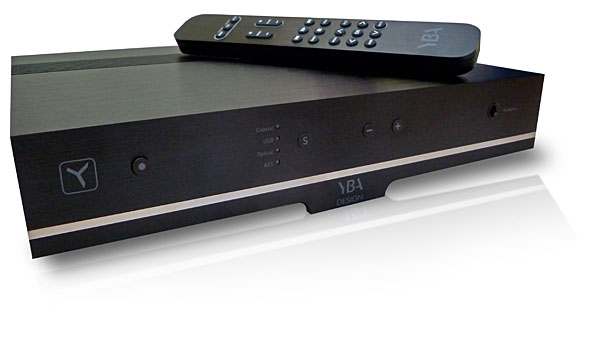
YBA Design WD202 D/A headphone amplifier

YBA Design's new WD202 D/A processor and headphone amplifier showed up while I was turning the pages of Don and Jeff Breithaupt's Precious and Few: Pop Music of the Early '70s, recommended by John Marks in his October 2009 "Fifth Element" column. Each page drips with great examples of why the 1970s often wind up on the wrong end of the culture stick (the Osmonds, anyone? Terry Jacks?).

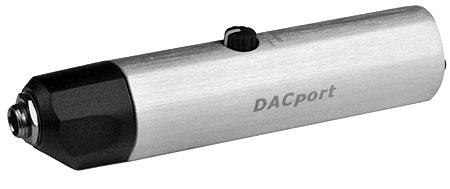
CEntrance DACport USB headphone amplifier

I have built up a large collection of CDs since the medium's launch more than a quarter century ago, along with a modest number of SACDs and a small number of DVD-As. But I find these days that, unless I'm getting down to some serious listening and can give the music my uninterrupted attention, I use iTunes to feed computer files to my high-end rig (footnote 1). I've mostly been using the superb-sounding combination of dCS">http://www.stereophile.com/hirezplayers/dcs_puccini_sacd_playback_syste… Puccini U-Clock and Puccini player/DAC that I reviewed last December to take a USB feed from a Mac mini, but I've also been using the Bel">http://www.stereophile.com/digitalprocessors/bel_canto_usb_link_2496_us… Canto USB Link 24/96 and Stello">http://www.stereophile.com/digitalprocessors/lindemann_amp_stello_usb-s… U2 USB-S/PDIF converters, particularly for headphone listening, when I use one of those two format converters with a Benchmark">http://www.stereophile.com/digitalprocessors/886">Benchmark DAC1 D/A headphone amplifier.


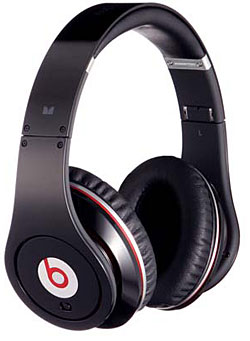
Monster Cable Beats by Dr. Dre studio headphones

I was looking out the window. I was waiting for the plane to take off. I was wearing Monster Cable's Beats by Dr. Dre Studio headphones ($349.95). I was listening to Pens' burning, fuzzed-out, 27-minute onslaught, Hey Friend, What You Doing? (320kbps MP3; LP, De Stijl IND071). I was shouting with sudden shock and pain.


The Fifth Element #58

February is traditionally the month for music features, so I start this column with some recordings you really should hear. This year I had a greater-than-usual number of worthy candidates for "Records">http://www.stereophile.com/Records%202%20Die%204">Records To Die For." Which discs got named as R2D4s and which got column coverage was, to quote the Iron Duke, a near-run thing.


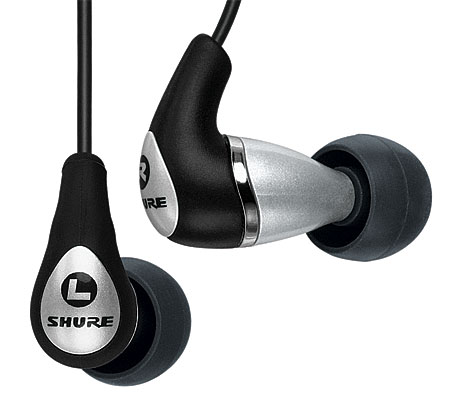
Shure SE310 in-ear headphones

I got early into personal stereos. I lost my driving license for a while in the mid-1970s—something about a stop sign and "failure to observe"—so I used to take the train to a regular bass-playing gig I had in Brighton, on England's south coast. Not only did I conclude that any audio magazine worth its cover price had to have enough meat in it to last the two-hour journey and back again, I also built myself an op-amp–based, battery-powered amplifier to drive a pair of RadioShack headphones. Desperate times called for desperate measures, and my only source was a mono cassette recorder. Inside-the-head mono is as mono desperately does, so once I got my license back, it was back to the car and stereo FM radio. It wasn't until a) I moved to New York City to become a strap-hanging commuter and b) bought a 2003-vintage 30GB iPod (which I still use) that music on the move again began to play a major role in my listening.


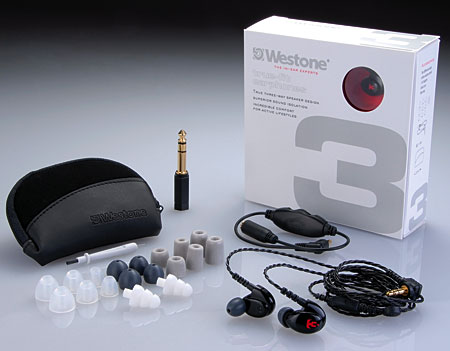
Westone 3 in-ear headphones

Designed to be used onstage by musicians monitoring their sound and mix, in-ear monitors (IEMs) such as the new Westone 3 are great in situations where you want to hear nothing but the music. They're small and portable, and their high efficiency and easy impedance load mean they work well with portable players. IEMs are better than electronic-feedback, noise-reducing, closed circumaural phones at blocking out airplane engine noise and annoying neighbors who want to chat. They're also more compact, sound better, and don't require batteries.


Advertisement
Advertisement
Advertisement