

Sandy Gross to Present the GoldenEar Triton Reference in Maryland Wednesday
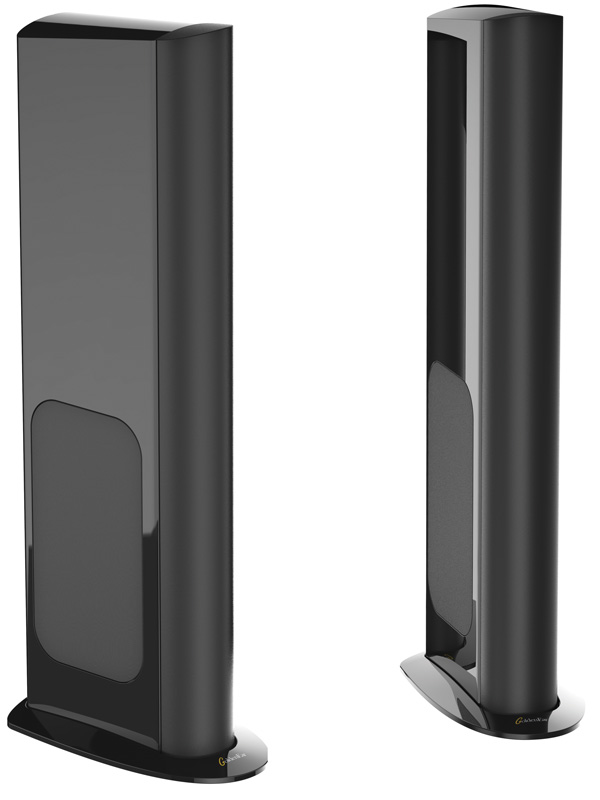
Maryland store Gramophone (West Aylesbury Road, Timonium MD 21093) is hosting Sandy Gross, president of GoldenEar, on May 10, from 69pm. Sandy will be presenting GoldenEar's new flagship, the Triton Reference loudspeaker, which made its debut at CES 2017.
Sandy Gross to Present Triton References in New Jersey Saturday
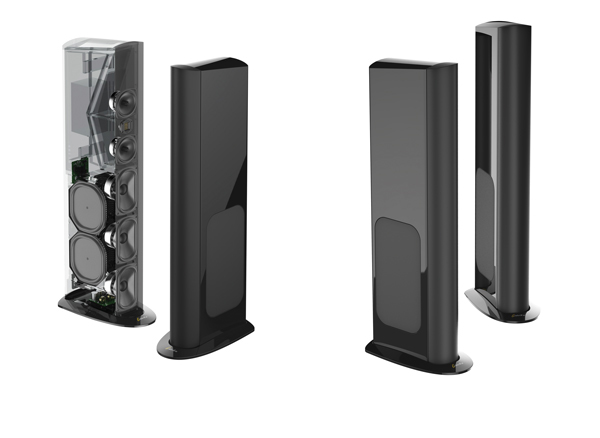
Saturday August 26, from 15pm, Sandy Gross, President of GoldenEar Technology, will be presenting GoldenEar's new flagship Triton Reference loudspeaker at New Jersey retailer Electronics Expo (491 US 46 West, Wayne NJ). Stereophile reviewer Robert Deutsch wrote after hearing the Triton Reference at their debut at last January's CES, "The Triton Reference presents a serious challenge to speakers in the multi-$10k range. . ." Saturday's event will be a good opportunity for New Jersey audiophiles to hear the T Refs, judge the speakers for themselves, and discuss the speakers with Sandy.
Santa Monica's Definition AV hosts Cambridge Audio, B&W
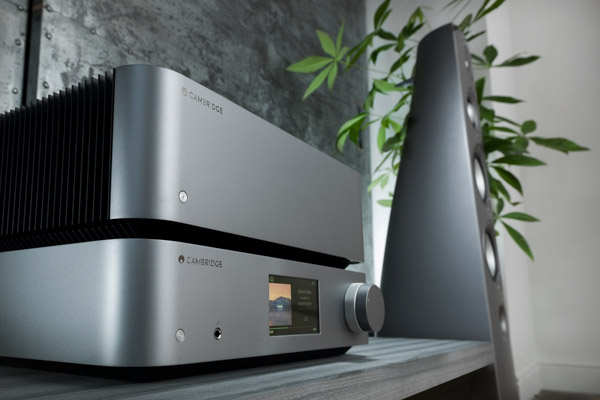
On Saturday, June 15, 10am to 6pm, Definition AV (2934 Wilshire Boulevard, Santa Monica, CA 90403; 310 829 9888) will host an event featuring representatives from Cambridge Audio and Bowers and Wilkins and showcasing those companies' latest products.
Satellite Radio - Losses & Gains
Satellite radio continues to surge in popularity, but competitors XM and Sirius both posted losses for the third fiscal quarter, ended September 30.
Satellite Radio About to Make Big Noise
If you haven't seen much in the mainstream press about the new satellite radio services from XM and Sirius, both poised to launch before the end of the year, you soon will. First out of the chute with the big media bucks, XM">http://www.xmradio.com">XM Satellite Radio unveiled last week its national advertising campaign called "Radio to the Power of X."
Satellite Radio and Toyota
The future is still bright for satellite radio. On December 8, XM Satellite Radio Holdings, Inc. announced that it had signed a deal with Toyota Motor Corporation to begin factory-level installation of XM receivers in 2006. The most popular brand of automobile in the world, Toyota is the last large automaker to commit to either XM or its competitor, Sirius Satellite Radio.
Satellite Radio Choice
Choice is generally considered a plus, but as many of our readers note, when it comes to audio, a format war is the last thing consumers need. While the DVD-A/SACD conflict takes the center audio stage, other technology battles are being fought off in the wings, including the satellite radio format tussle 'twixt XM and Sirius.
Satellite Radio Companies Work for Unified Standard
Satellite radio got a boost toward wider market acceptance on February 16, when Sirius">http://www.siriusradio.com/">Sirius Satellite Radio and XM">http://www.xmradio.com/">XM Satellite Radio announced an agreement to develop a unified standard for satellite radios. The current batch of satellite receivers can pick up transmissions from one of the providers, but not both. The next generation of receivers will expand the technology's reach by enabling reception of both companies' broadcasts.
Satellite Radio Expands
Satellite radio is poised to become a dominant force in the 21st century. Both XM">http://www.xmradio.com">XM Radio and Sirius">http://www.siriusradio.com">Sirius Radio are now in full operation, with subscriptions booming and compatible electronics available at dealers nationwide.
Satellite Radio Faces Many Obstacles
Now that satellite radio services XM">http://www.xmradio.com">XM Radio and Sirius">http://www.siriusradio.com">Sirius Radio have their "birds" in position, they are encountering a slew of unexpected roadblocks here on earth. Among the problems: loss of signal in tunnels and urban canyons, interference with wireless communications, and a lighting technology that emits strong radio waves close to the broadcasters' assigned bands.