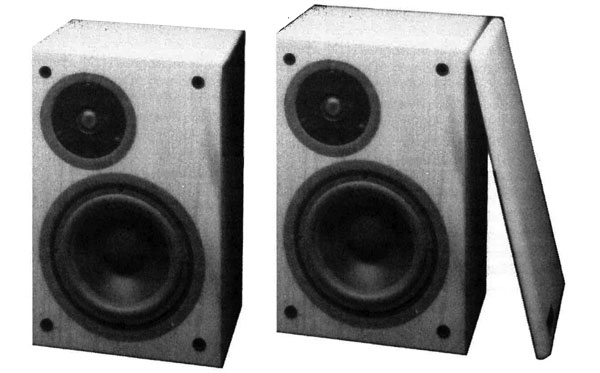
"Amrita" is Sanskrit for "nectar," and indeed, the Amrita owner's manual states that they are confident their speakers "will provide Nectar For Your Ears." Although this Iowa-based manufacturer offers a large range of loudspeakers, I decided that Stereophile should review their small AMRIT-MiniMonitor ($875/pair) after Martin Colloms mentioned in his report from the 1987 SCES in Vol.10 No.5 that it sounded "pleasantly balanced on both rock and classical material." We received a pair for review in the summer of 1988, but it turned out that only one was working, the other having a very restricted low-frequency response below 100Hz. After repeated requests for replacements, Amrita's John Andre personally delivered a pair to Santa Fe in the Spring of 1989. This time, both worked out of the box!
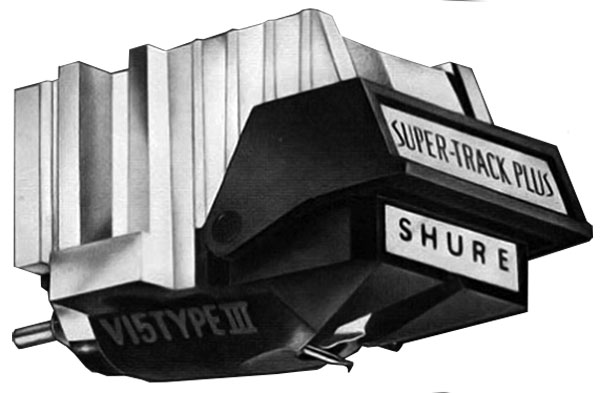
The Shure V15-III is the latest of Shure's top-of-the-line "Super-track" pickups, earlier versions of which we scorned because of their dished-down response in the 6kHz range and their consequent "dead" sound. (We were unimpressed with Shure's suggestion that the pickup cable capacitance be increased to a total of around 300pF, since few audiophiles are equipped to measure either cable capacitance or frequency response).
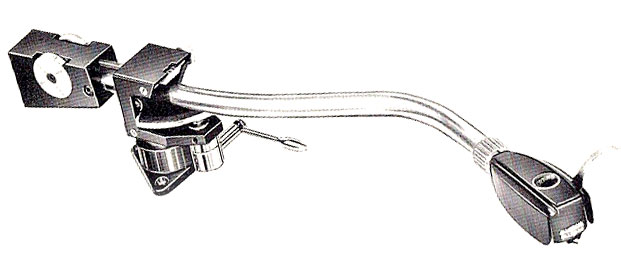
The RS-212 is one of the most impressive-looking tonearms we've seen in many a moon. Our first reaction to it, in fact, was much the same as our reaction to the first big, professional Ampex tape recorder we ever saw: it reminded us of one of those precision-engineered and cleanly styled electronic devices you see in hospitals and industrial laboratoriesdevices which make no attempt to cater to the current fashion in interior decorating or depth-researched consumer preferences, but which are designed simply to do a job neatly and efficiently. This arm, in short, is practically guaranteed to impress your Magnavox-oriented friends with the quality of your phono system, no matter how oblivious they may be to its actual sound.