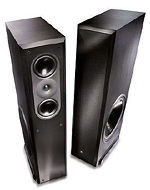
A Glorious Time: AR's Edgar Villchur and Roy Allison
Feb 06, 2005First Published:Jan 06, 2005
<I><B>Editor's Note: </B>In 1954, a New York writer and teacher reinvented the world of audio with the modest-looking Acoustic Research AR-1 loudspeaker. A small fraction of the size of the behemoths that were then </I>de rigeur<I> for the reproduction of bass frequencies, Edgar Villchur's loudspeaker went as low with less distortion. Perhaps more importantly, the AR-1 pioneered both the science of speaker design and the idea that a low-frequency drive-unit could not be successfully engineered without the properties of the enclosure being taken into account.</I>
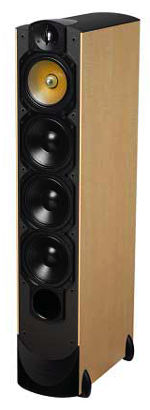
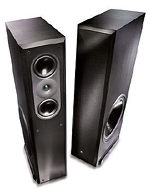
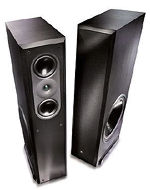
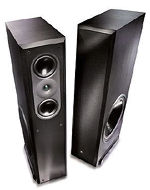
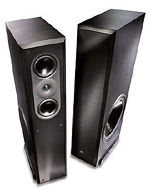
Like the Reference Studio/60, which was <A HREF="http://www.stereophile.com/loudspeakerreviews/1204paradigm">enthusiasti… reviewed</A> in the December 2004 issue by Kalman Rubinson, Paradigm's floorstanding Reference Studio/100 is now available in a v.3 version. The '100 is the flagship model in the Canadian manufacturer's Reference line. Its earlier incarnations, the original Studio/100 and the <A HREF="http://www.stereophile.com/loudspeakerreviews/252/">Studio/100 v.2</A>, were reviewed by Tom Norton and Robert Deutsch in the August 1997 and June 2000 issues of <I>Stereophile</I>, respectively, and both writers were well impressed at how much sound quality could be wrought from this competitively priced speaker design. Bob Deutsch, in particular, referred to the v.2 as a "a serious high-end contender, and a formidable one for just about any speaker in its price range and even well above."
Like the Reference Studio/60, which was <A HREF="http://www.stereophile.com/loudspeakerreviews/1204paradigm">enthusiasti… reviewed</A> in the December 2004 issue by Kalman Rubinson, Paradigm's floorstanding Reference Studio/100 is now available in a v.3 version. The '100 is the flagship model in the Canadian manufacturer's Reference line. Its earlier incarnations, the original Studio/100 and the <A HREF="http://www.stereophile.com/loudspeakerreviews/252/">Studio/100 v.2</A>, were reviewed by Tom Norton and Robert Deutsch in the August 1997 and June 2000 issues of <I>Stereophile</I>, respectively, and both writers were well impressed at how much sound quality could be wrought from this competitively priced speaker design. Bob Deutsch, in particular, referred to the v.2 as a "a serious high-end contender, and a formidable one for just about any speaker in its price range and even well above."
Like the Reference Studio/60, which was <A HREF="http://www.stereophile.com/loudspeakerreviews/1204paradigm">enthusiasti… reviewed</A> in the December 2004 issue by Kalman Rubinson, Paradigm's floorstanding Reference Studio/100 is now available in a v.3 version. The '100 is the flagship model in the Canadian manufacturer's Reference line. Its earlier incarnations, the original Studio/100 and the <A HREF="http://www.stereophile.com/loudspeakerreviews/252/">Studio/100 v.2</A>, were reviewed by Tom Norton and Robert Deutsch in the August 1997 and June 2000 issues of <I>Stereophile</I>, respectively, and both writers were well impressed at how much sound quality could be wrought from this competitively priced speaker design. Bob Deutsch, in particular, referred to the v.2 as a "a serious high-end contender, and a formidable one for just about any speaker in its price range and even well above."
Experienced reviewers know that shows are the wrong environments for critical audiophile listening. Convention centers—especially the one at Las Vegas—are huge, cavernous airplane hangers, not the intimate listening rooms reviewers thrive in. Extraneous sounds from subwoofer blasts and the constantly milling crowds leak in to sully the music. Booths set up by manufacturers on the show floor have very thin, flexible walls, and no bass treatment.
Acoustic Research AR-1 loudspeaker Associated Equipment
Experienced reviewers know that shows are the wrong environments for critical audiophile listening. Convention centers—especially the one at Las Vegas—are huge, cavernous airplane hangers, not the intimate listening rooms reviewers thrive in. Extraneous sounds from subwoofer blasts and the constantly milling crowds leak in to sully the music. Booths set up by manufacturers on the show floor have very thin, flexible walls, and no bass treatment.
Experienced reviewers know that shows are the wrong environments for critical audiophile listening. Convention centers—especially the one at Las Vegas—are huge, cavernous airplane hangers, not the intimate listening rooms reviewers thrive in. Extraneous sounds from subwoofer blasts and the constantly milling crowds leak in to sully the music. Booths set up by manufacturers on the show floor have very thin, flexible walls, and no bass treatment.
Experienced reviewers know that shows are the wrong environments for critical audiophile listening. Convention centers—especially the one at Las Vegas—are huge, cavernous airplane hangers, not the intimate listening rooms reviewers thrive in. Extraneous sounds from subwoofer blasts and the constantly milling crowds leak in to sully the music. Booths set up by manufacturers on the show floor have very thin, flexible walls, and no bass treatment.
Experienced reviewers know that shows are the wrong environments for critical audiophile listening. Convention centers—especially the one at Las Vegas—are huge, cavernous airplane hangers, not the intimate listening rooms reviewers thrive in. Extraneous sounds from subwoofer blasts and the constantly milling crowds leak in to sully the music. Booths set up by manufacturers on the show floor have very thin, flexible walls, and no bass treatment.
Experienced reviewers know that shows are the wrong environments for critical audiophile listening. Convention centers—especially the one at Las Vegas—are huge, cavernous airplane hangers, not the intimate listening rooms reviewers thrive in. Extraneous sounds from subwoofer blasts and the constantly milling crowds leak in to sully the music. Booths set up by manufacturers on the show floor have very thin, flexible walls, and no bass treatment.