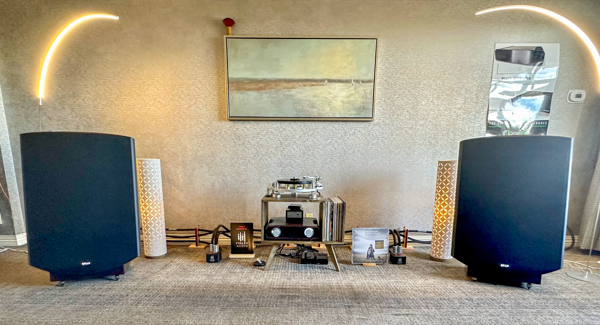
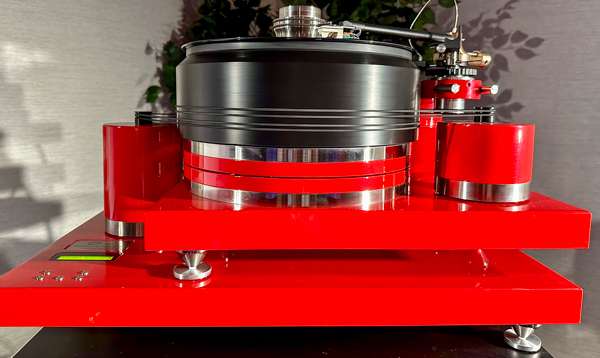
It was a cold March-in-Brooklyn morning. Clouds had been shedding wintery mix since daybreak. By 9am, birds were flash-mobbing my window, demanding suet. But I was frozenunable to pull my mind loose from the grave flowings of American composer Ned Rorem's Book of Hours, as performed by Les Connivences Sonores on the album Musikalische Perlen (24/48 FLAC, Ars Produktion/Qobuz). The sounds in my room were sensuous and mesmerizing, and I needed to float in their mysterious energy as long as I could.
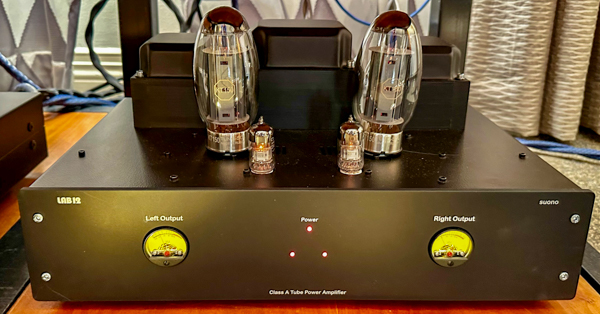
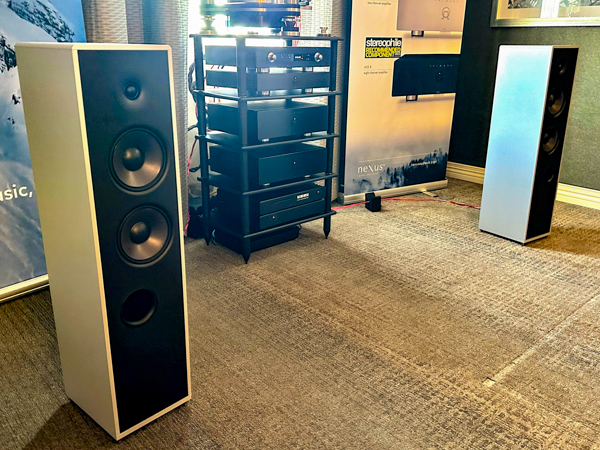
I was listening through the most compelling sound system I had assembled since I started writing for Stereophile. The dCS Bartók DAC/streamer was funneling the harmonic purity and hypnomagik of Odile Renault on flute and Elodie Reibaud on harp into HoloAudio's appropriately named Serene preamp, which was feeding Elekit's TU-8900 300B/2A3 kit amplifier, which was sending a few of its triode-tube watts to the TAD's $32,500/pair Compact Evolution One monitors, more compactly known as the TAD CE1TX.
Marantz 70th Anniversary Experience in NYC Open to the Public
Jul 10, 2023
Marantz, the iconic company started by audio pioneer Saul Marantz in 1953, is inviting the public to visit a 7000-square-foot immersive, interactive exhibit in New York City to celebrate its 70th anniversary.
A phenomenon formerly unique to Japan, which in recent years has been emulated in cities around the world, is the jazz café (known as jazz kissa in Japan), where salarymen can find respite from their hectic lives, loosen their ties, and enjoy hi-fi jazz over coffee or a drink. Jazz kissaten are typically charming, smaller shops, traditionally furnished and paneled in beautiful wood, which serve superb artisan coffee in artful ceramic cups.
Such respect for artistry, craftsmanship, and attention to detailthe Japanese word is shokuninis reflected in many aspects of Japanese life. This is where you find double handrails to accommodate people of different heights, intricate, ornately designed manhole covers, and bento lunch boxes with hand-carved vegetable figurines. While upholding strict conformity to societal norms, the Japanese highly value creative individualism. This shokunin mindset underlies their reverence for artisanal expressionand their love for jazz.
Japanese audio, much like jazz kissaten, reflects the shokunin mindset: craftsmanship pursued with both pride and humility.