ASUS Xonar Essence ST/STX soundcards Specifications

ASUS Xonar Essence ST/STX soundcards Specifications

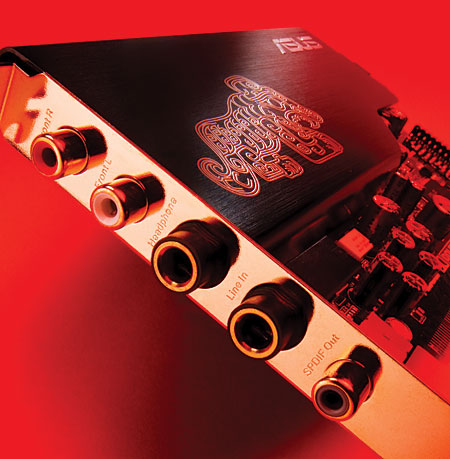
With all the current fuss about getting audio data from a computer to a standalone D/A processor via S/PDIF, USB, FireWire, WiFi, or Ethernet (footnote 1), it has been overlooked that the oldest way to get audio from a PC is to use a high-performance soundcard plugged into the host machine's motherboard. I remember how excited I was when I installed a Sound Blaster Pro 16 board in the 486-based Dell running Windows 3.1 that I was using in the early Clinton era, plugged its analog output into my high-end rig, and played back 16-bit/44.1kHz files.

ASUSTeK Computer Inc.
US distributor: ASUS Computer International
44370 Nobel Drive
Fremont, CA 94538
(812) 282-2787
usa.asus.com

ASUS Xonar Essence ST/STX soundcards Page 3

ASUS Xonar Essence ST/STX soundcards Page 3

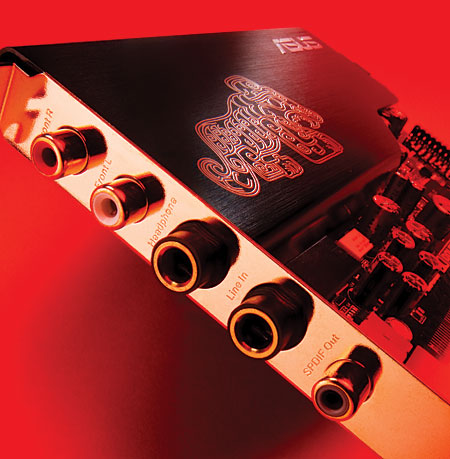
With all the current fuss about getting audio data from a computer to a standalone D/A processor via S/PDIF, USB, FireWire, WiFi, or Ethernet (footnote 1), it has been overlooked that the oldest way to get audio from a PC is to use a high-performance soundcard plugged into the host machine's motherboard. I remember how excited I was when I installed a Sound Blaster Pro 16 board in the 486-based Dell running Windows 3.1 that I was using in the early Clinton era, plugged its analog output into my high-end rig, and played back 16-bit/44.1kHz files.

ASUSTeK Computer Inc.
US distributor: ASUS Computer International
44370 Nobel Drive
Fremont, CA 94538
(812) 282-2787
usa.asus.com

ASUS Xonar Essence ST/STX soundcards Page 2

ASUS Xonar Essence ST/STX soundcards Page 2

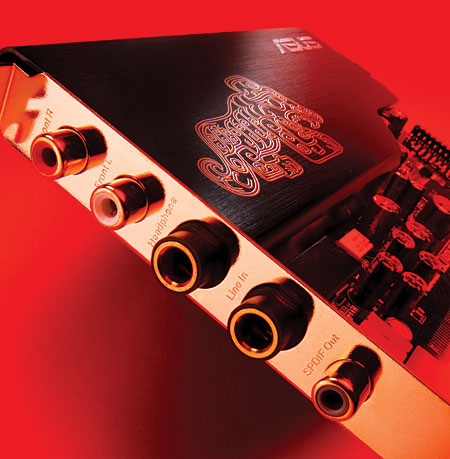
With all the current fuss about getting audio data from a computer to a standalone D/A processor via S/PDIF, USB, FireWire, WiFi, or Ethernet (footnote 1), it has been overlooked that the oldest way to get audio from a PC is to use a high-performance soundcard plugged into the host machine's motherboard. I remember how excited I was when I installed a Sound Blaster Pro 16 board in the 486-based Dell running Windows 3.1 that I was using in the early Clinton era, plugged its analog output into my high-end rig, and played back 16-bit/44.1kHz files.
ASUSTeK Computer Inc.
US distributor: ASUS Computer International
44370 Nobel Drive
Fremont, CA 94538
(812) 282-2787
usa.asus.com

ASUS Xonar Essence ST/STX soundcards

ASUS Xonar Essence ST/STX soundcards

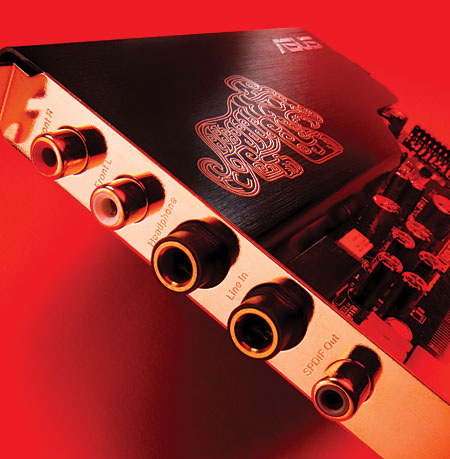
With all the current fuss about getting audio data from a computer to a standalone D/A processor via S/PDIF, USB, FireWire, WiFi, or Ethernet (footnote 1), it has been overlooked that the oldest way to get audio from a PC is to use a high-performance soundcard plugged into the host machine's motherboard. I remember how excited I was when I installed a Sound Blaster Pro 16 board in the 486-based Dell running Windows 3.1 that I was using in the early Clinton era, plugged its analog output into my high-end rig, and played back 16-bit/44.1kHz files.

How does your system sound?

Speaking for my self I 'm not entirely sure how to describe the musicality of my system. Having read a number of reviews and heard terms such as: neutral, timbre, transparent, warm, bright, and analytical used to describe audio equipment. I like the sound of my system but to describe what the equipment is producing is something as yet I am unable to do. A visitor came to my house to collect some equipment I had sold, he described my system as transparent but I was at a total loss. How long does it take before you develop an analytical ear?

One year of Somethin' Else.

Last January, I grabbed this set of the clear vinyl 45 RPM Classic Records Somethin' Else LP's (actually, more like SP's - 'short playing') and decided to track how the clear vinyl held up.

(I'm going to do the same this year with their release of "So.")

I've played it once each week for the past year and it has survived the ordeal just fine.

I'm happy to report the discs sound about the same as the first time through.

Advertisement
Advertisement
Advertisement