Here's a list of my favorite quad reissues so far, all still available as of March 2024:
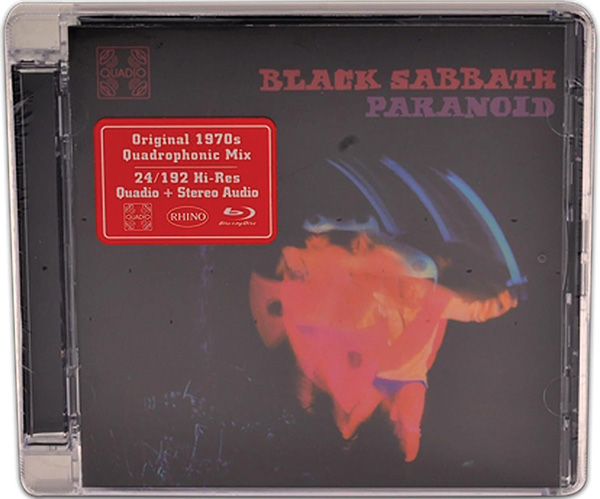 Black Sabbath: Paranoid (Rhino BA2 3104 BD). An old favorite, the seminal heavy metal album (footnote 4) sounds fresh, different, and even more menacing with distinct four-channel mixes.
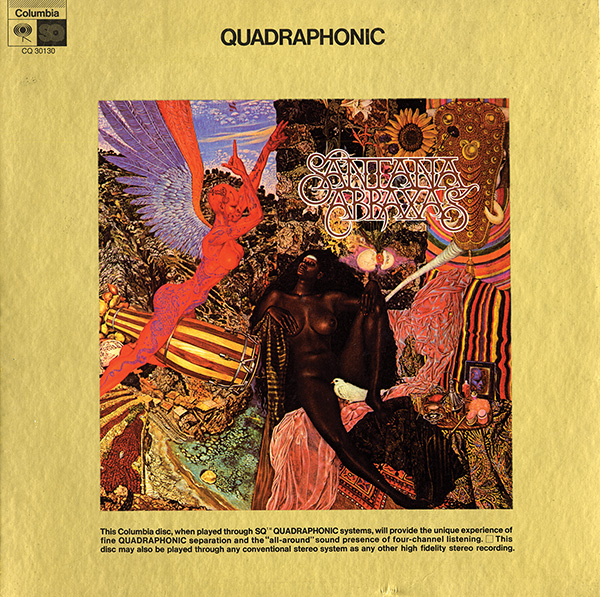 Santana: Abraxas (Sony Japan SICP 10135 SACD). The quad mix for this classic rock album is quite different from the familiar stereo. Carlos Santana's blistering guitar solo on "Black Magic Woman/Gypsy Queen" flies around the four speakers, suggesting a voodoo caldron of sound.
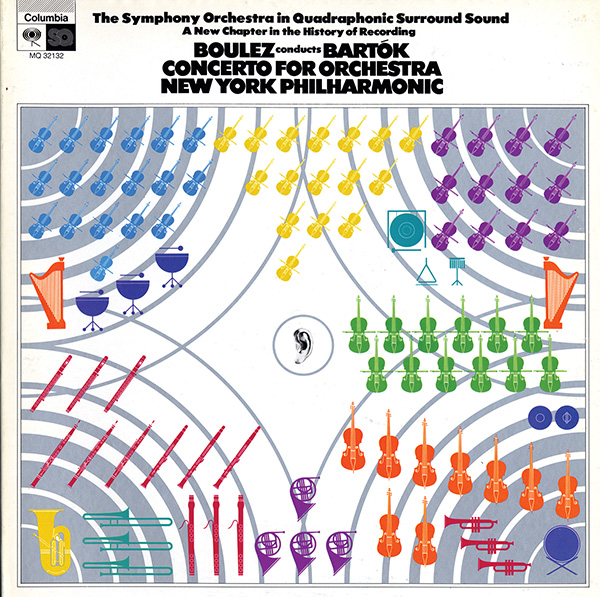 Bartók's Concerto for Orchestra by Pierre Boulez and the NY Philharmonic (Dutton CDLX 7360 SACD). For this SQ quad flagship release, Columbia producer Thomas Z. Shepard presented the orchestra surrounding the listener, with the strings and some percussion in front and the brass, woodwinds, and remaining percussion to the sides and rear. It offers a new perspective on the composition, with each note distinct. The original LP did not provide separation or clarity anywhere near what the 4-channel SACD achieves. Sony's reissue of this album from the early days of SACD was remixed into pedestrian "wide stereo" with rear reverb.
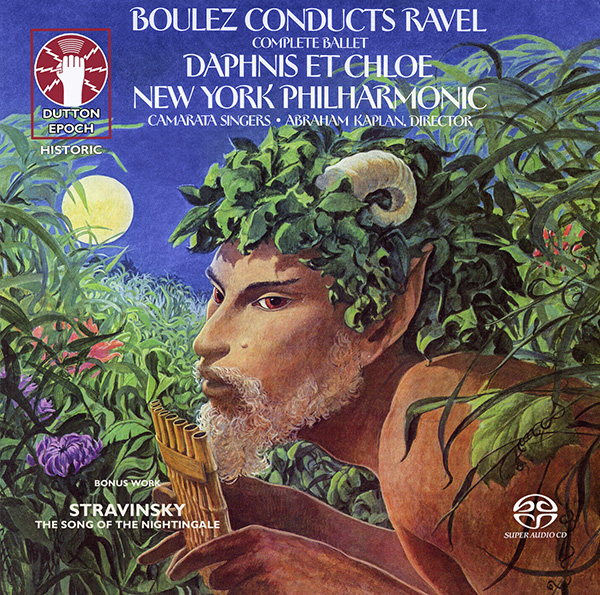 Ravel's Daphnis et Chloé and Stravinsky's Song of the Nightingale by Pierre Boulez and the NY Philharmonic (Dutton CDLX 7381 SACD). Daphnis won a Grammy, and the many-microphones recording session was detailed in Recording Engineer/Producer magazine (footnote 5). In quad, you will hear every detail of Ravel's score, expertly played by the NYPO. However, the real gem on this disc is Dutton's new quad mix of the Stravinsky ballet, created from the first-generation multitrack session tapes. Performance and sound are brilliant.
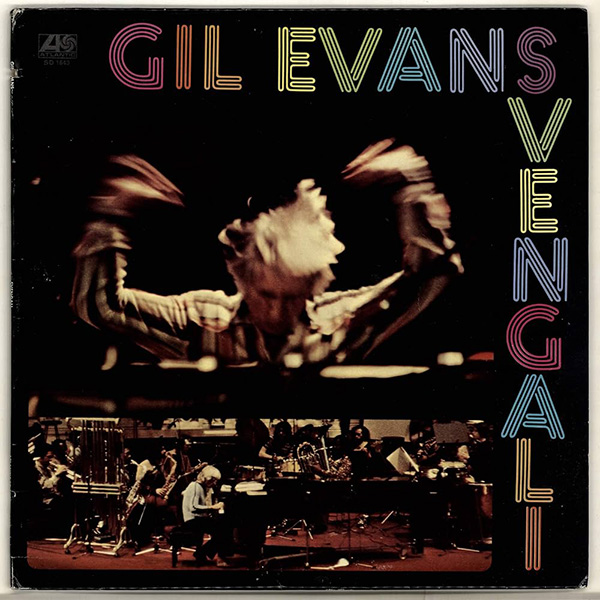 Gil Evans: Svengali (Rhino BA2 1643 BD). Not on my radar previously, the Quadio edition quickly became a favorite. Evans and an all-star jazz ensemble recorded this at Trinity Church, NYC. The room sound is all around, below, and over the listener.
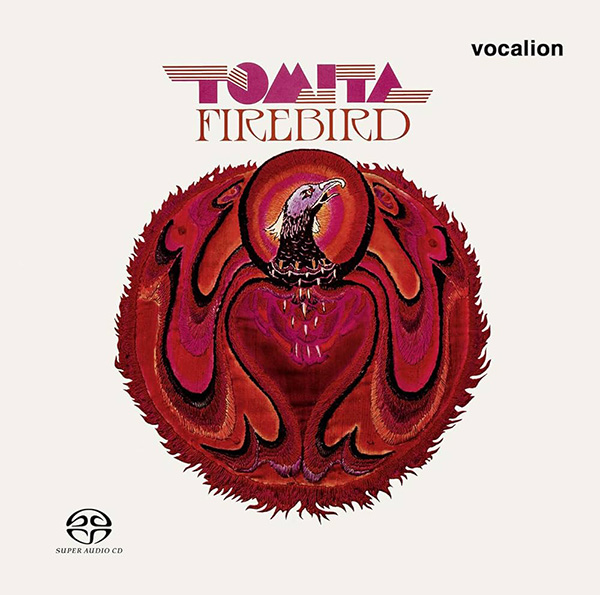 Tomita: Firebird (Dutton CDSML 8558 SACD). This was an electronic-music sensation back in the day, Stravinsky rendered by Moog and magnetic tape. On RCA's CD-4 discrete-channel LP, it was impressive. On discrete-channel SACD, it is mind-blowing and damn fun.
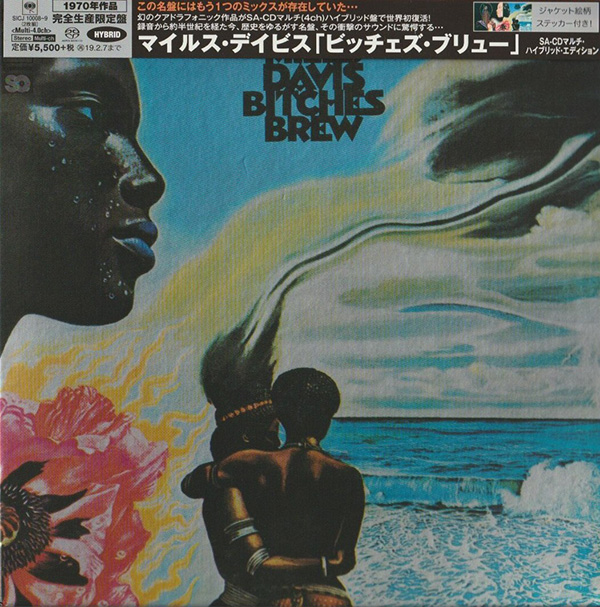 Miles Davis: Bitches Brew (Sony Japan SICJ-10008-9 SACD). Quad mixes cooked up by producer Teo Macero and Columbia engineers Stan Tonkel and Ray Moore make this groundbreaking sharp turn for jazz music sound all the more trippy and different. The 4-channel version makes all the clearer how far out there the album was. Sony's lavish packaging is as outstanding as the remastered sound.
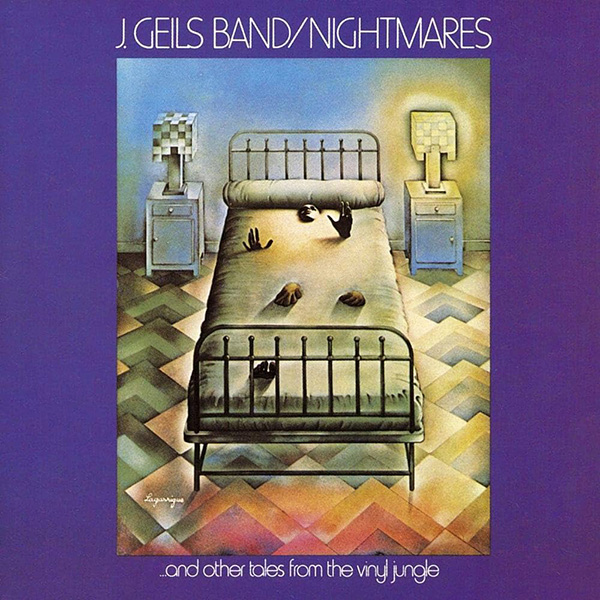 J. Geils Band: Nightmares (Rhino BA2 18107 BD). A hardcore funk explosion, from a band of white dudes from Boston. The gritty, muddy sound screams NYC early 1970s. It's cleaned up a bit with the benefit of four channels, and the intensity is undiminished.
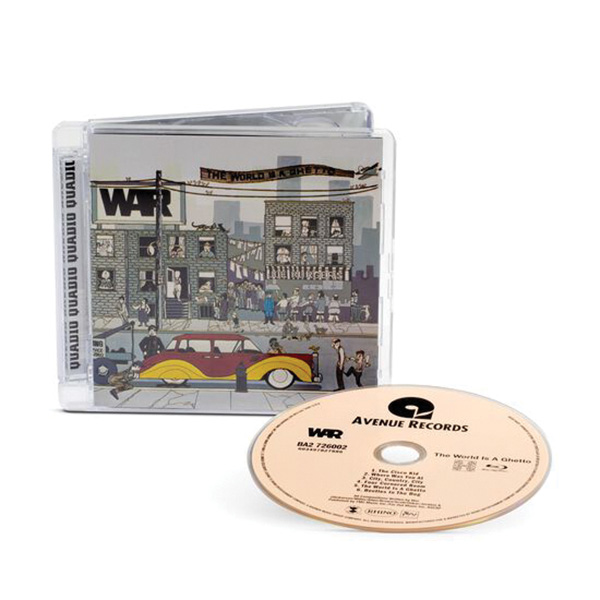 War: The World Is a Ghetto (Rhino BA2 726002 BD). Billboard said it was the best-selling album of 1973. Many of us know "The Cisco Kid," but there is a lot more to this album, a mash-up of funk, jazz, blues, and some psychedelia. The quad mixes enhance its heaviness and trippiness.
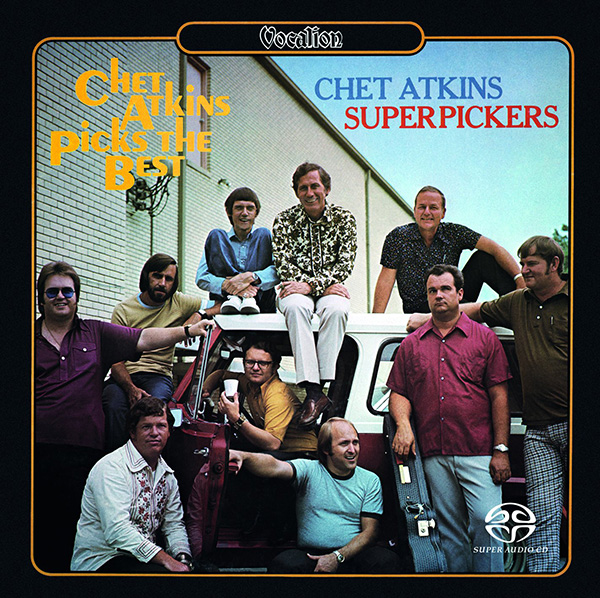 Chet Atkins: Superpickers (Dutton CDLK 4610 SACD). Atkins, a King of Nashville, gathered the best of the studio cats for some picking; blazing country music ensued. RCA's quad mix spreads the players out so that everyone's part is clearly delineated. With that bright a spotlight, in that esteemed company, there's no room for error. The Nashville Cats don't disappoint.
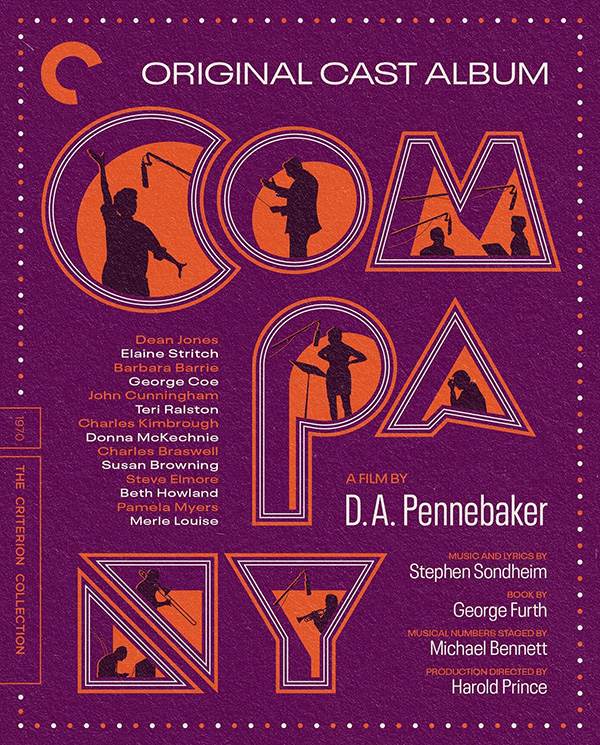 Original Cast Recording: Company (Dalton CDLK 4638 SACD). Cuts from this SQ LP were featured in most Columbia demo LPs back in the day. The recording, made at Columbia's 30th Street Studio, is lush and detailed. Producer Thomas Z. Shepard's creative use of quad sound benefits the performers and musicians and is in keeping with the musical's themes and drama. The recording session was captured in a documentary by D. A. Pennebaker (footnote 6).
Footnote 4 See tinyurl.com/2dxsfutk. Footnote 5 See p.41 of the pdf at tinyurl.com/ynddatch. Footnote 6 See youtu.be/FDlO4fZC6Tg.
Black Sabbath: Paranoid (Rhino BA2 3104 BD). An old favorite, the seminal heavy metal album (footnote 4) sounds fresh, different, and even more menacing with distinct four-channel mixes.
Santana: Abraxas (Sony Japan SICP 10135 SACD). The quad mix for this classic rock album is quite different from the familiar stereo. Carlos Santana's blistering guitar solo on "Black Magic Woman/Gypsy Queen" flies around the four speakers, suggesting a voodoo caldron of sound.
Bartók's Concerto for Orchestra by Pierre Boulez and the NY Philharmonic (Dutton CDLX 7360 SACD). For this SQ quad flagship release, Columbia producer Thomas Z. Shepard presented the orchestra surrounding the listener, with the strings and some percussion in front and the brass, woodwinds, and remaining percussion to the sides and rear. It offers a new perspective on the composition, with each note distinct. The original LP did not provide separation or clarity anywhere near what the 4-channel SACD achieves. Sony's reissue of this album from the early days of SACD was remixed into pedestrian "wide stereo" with rear reverb.
Ravel's Daphnis et Chloé and Stravinsky's Song of the Nightingale by Pierre Boulez and the NY Philharmonic (Dutton CDLX 7381 SACD). Daphnis won a Grammy, and the many-microphones recording session was detailed in Recording Engineer/Producer magazine (footnote 5). In quad, you will hear every detail of Ravel's score, expertly played by the NYPO. However, the real gem on this disc is Dutton's new quad mix of the Stravinsky ballet, created from the first-generation multitrack session tapes. Performance and sound are brilliant.
Gil Evans: Svengali (Rhino BA2 1643 BD). Not on my radar previously, the Quadio edition quickly became a favorite. Evans and an all-star jazz ensemble recorded this at Trinity Church, NYC. The room sound is all around, below, and over the listener.
Tomita: Firebird (Dutton CDSML 8558 SACD). This was an electronic-music sensation back in the day, Stravinsky rendered by Moog and magnetic tape. On RCA's CD-4 discrete-channel LP, it was impressive. On discrete-channel SACD, it is mind-blowing and damn fun.
Miles Davis: Bitches Brew (Sony Japan SICJ-10008-9 SACD). Quad mixes cooked up by producer Teo Macero and Columbia engineers Stan Tonkel and Ray Moore make this groundbreaking sharp turn for jazz music sound all the more trippy and different. The 4-channel version makes all the clearer how far out there the album was. Sony's lavish packaging is as outstanding as the remastered sound.
J. Geils Band: Nightmares (Rhino BA2 18107 BD). A hardcore funk explosion, from a band of white dudes from Boston. The gritty, muddy sound screams NYC early 1970s. It's cleaned up a bit with the benefit of four channels, and the intensity is undiminished.
War: The World Is a Ghetto (Rhino BA2 726002 BD). Billboard said it was the best-selling album of 1973. Many of us know "The Cisco Kid," but there is a lot more to this album, a mash-up of funk, jazz, blues, and some psychedelia. The quad mixes enhance its heaviness and trippiness.
Chet Atkins: Superpickers (Dutton CDLK 4610 SACD). Atkins, a King of Nashville, gathered the best of the studio cats for some picking; blazing country music ensued. RCA's quad mix spreads the players out so that everyone's part is clearly delineated. With that bright a spotlight, in that esteemed company, there's no room for error. The Nashville Cats don't disappoint.
Original Cast Recording: Company (Dalton CDLK 4638 SACD). Cuts from this SQ LP were featured in most Columbia demo LPs back in the day. The recording, made at Columbia's 30th Street Studio, is lush and detailed. Producer Thomas Z. Shepard's creative use of quad sound benefits the performers and musicians and is in keeping with the musical's themes and drama. The recording session was captured in a documentary by D. A. Pennebaker (footnote 6).
Footnote 4 See tinyurl.com/2dxsfutk. Footnote 5 See p.41 of the pdf at tinyurl.com/ynddatch. Footnote 6 See youtu.be/FDlO4fZC6Tg.