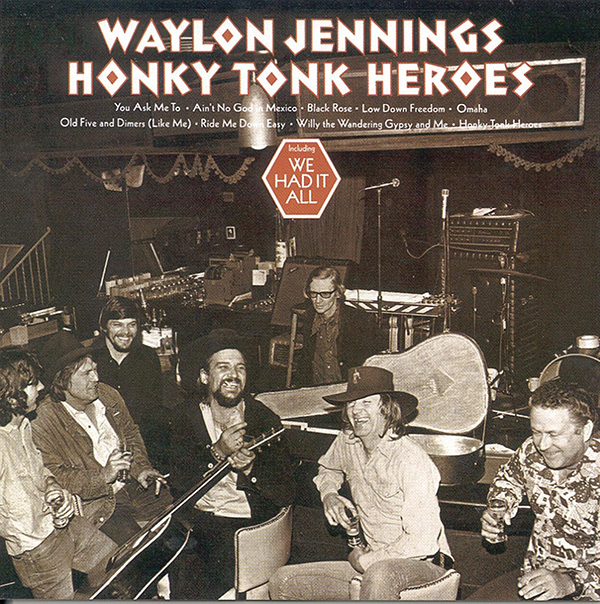
Waylon Jennings: Honky Tonk Heroes, 1973 A Falstaffian figure in country music, Waylon Jennings at his best sounded the way every shower singer dreams of sounding: commanding, joyous, and up to no good. Possibly the most appealing thing about him is that he was always slightly full of shit but let you know he knew it. In Billy Joe Shaver—as brilliant a songwriter as they come and something akin to a modern-day cowboy—Jennings found the perfect auteur for the outlaw persona he was trying to craft after shaking off the middle-of-the-road trappings of his '60s material. On Honky Tonk Heroes, Shaver wrote every song save one. Never mind that he released most of them on his own excellent debut record that same year—the songs seemed to have been written with Jennings in mind. On "Black Rose" and "Willie the Wandering Gypsy and Me," Jennings sounds spiritually liberated or at least psychically unburdened. He inhabits the lyrics like custom-made boots, rocking with abandon. With Reggie Young on guitar, Ralph Mooney on steel, and the Waylors in top form—and mastered with the finest of RCA's Dynaflex magic—Honky Tonk Heroes cut like a chainsaw through the wedding cake of the Nashville sound, with its choirs, strings, and cooing sopranos. Perfect from the first note to the last.
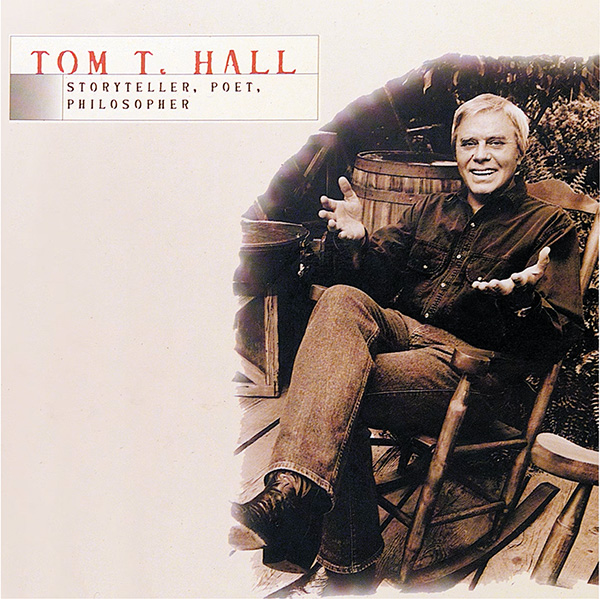
Tom T. Hall: Storyteller, Poet, Philosopher, Mercury, 1995 Tom T. Hall had a face for insurance. Even as a young man, he looked middle-aged. He lacked John Prine's weird sense of humor, Johnny Cash's drop-dead baritone, and Gram Parsons's thirst-trap looks. But no one wrote a better story song. Many are about the troubled, the poor, and the forgotten, but what Hall could do with unsettling regularity is capture fleeting emotions and situations that rarely show up outside of serious books. There's the farmer watching his neighbor's funeral procession from inside his truck in "Ballad of Forty Dollars," and the family man thinking guiltily about his lover while spending a weekend morning at home in "Margie's at the Lincoln Park Inn." In his writing, Hall avoids sentimentality and self-pity, but his homely, molasses-hued voice can reduce you to tears in a few lines. In "Mama Bake a Pie (Daddy Kill a Chicken)," he fits the story of a maimed Vietnam vet returning home into less than three minutes, and to this day I cannot get through it without a quantity of Kleenex nearby. All but one of Hall's wonderful early LPs appear to be out of print, so the easiest way to hear him is on this fittingly unsexy two-CD compilation, which nonetheless collects nearly all the wonderful early songs.
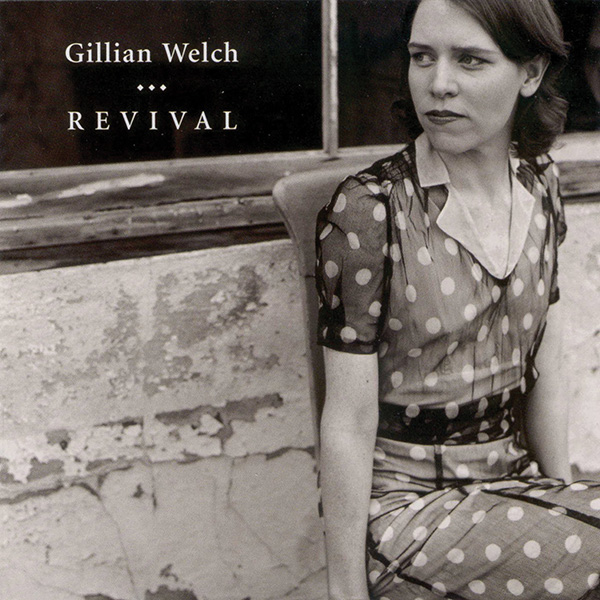
Gillian Welch: Revival, Almo Sounds, 1996 On her debut recording, Gillian Welch accomplished something most country artists never do: She introduced two honest-to-goodness standards, in "Orphan Girl" (later recorded by Emmylou Harris and others) and the bluegrass-tinged "Acony Bell." Then there's her cool-toned, tough, supremely expressive singing and the angular, downright thrilling guitar playing of her bandmate and songwriting partner David Rawlings. Welch sounds deliberately, willfully traditional, and some critics carped that her debut was a self-conscious pastiche of old-timey music. I suppose they are entitled to their opinions, and they can have all the Miranda Lambert records they want. Produced with real empathy by T-Bone Burnett, Revival foregrounds Welch's intelligence, taste, and restraint. To listen to her storytelling and high-lonesome singing on "Annabelle" is to realize she belongs in the company of every classic singer who's come before. Strictly speaking, it's not Welch's best album—both Time (The Revelator) and The Harrow & The Harvest are even more singular and accomplished—but it chronicles the excitement of a fully formed artist announcing herself to the world.
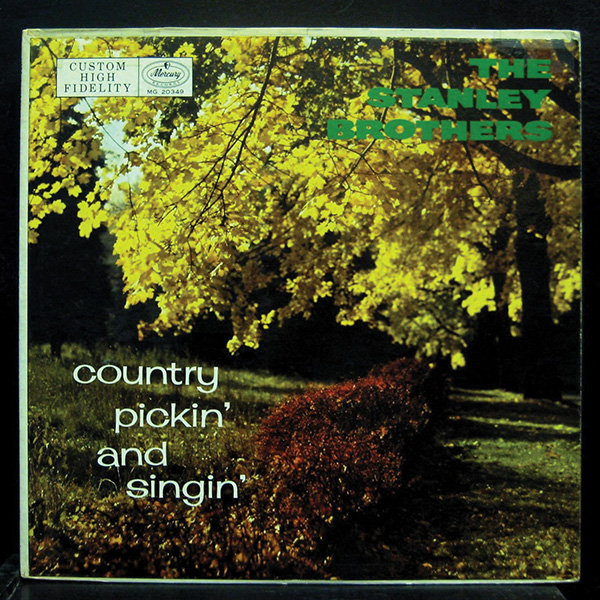
The Stanley Brothers: Country Pickin' and Singin', Mercury, 1958 Some music just gets you where you live. Carter and Ralph Stanley's voices bring me into a state of quietude; my mind empties out and goosebumps begin to roil my flesh. There's a plaintive, raw cry in their singing that treads the line between devotion and terror, as wondrous and wild as a forest at night, and an Appalachian weirdness that cannot be reasoned away. And there's no better recording on which to experience it than their first long-player, a collection of whip-fast bluegrass breakdowns like "Clinch Mountain Blues" and "Orange Blossom Special," featuring Ralph's impeccable banjo solos, as well as slower religious numbers like "A Voice From On High," on which you can hear Ralph's high, timorous quaver come out from behind Carter's baritone. But there is no song anywhere like the Stanleys' take on the 19th century hymn "Angel Band," sung with such palpable awe that it makes the breath catch in my throat. If there's a song on this list that you must hear today, this is the one. For those not looking to prowl for old vinyl, these tracks are also available on The Complete Mercury Recordings, a lovely two-CD set that covers the brothers' indispensable mid-1950s period.
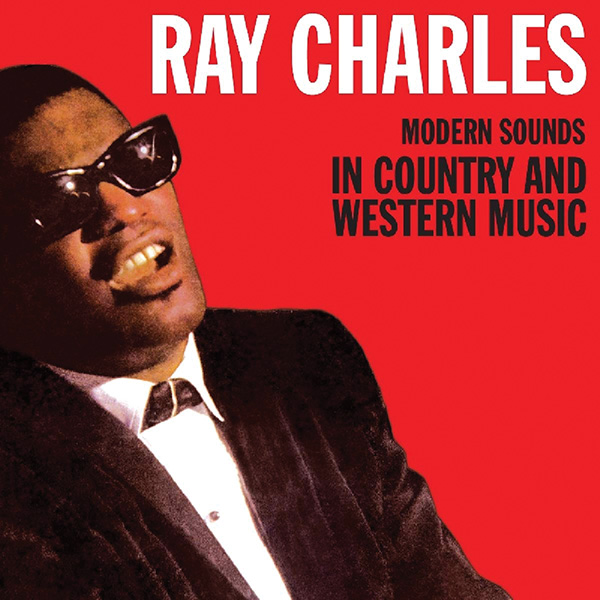
Ray Charles: Modern Sounds in Country and Western Music Vols. 1-2, ABC-Paramount, 1962 Freshly signed to ABC records, Ray Charles was at the height of his stardom in 1962 and could have recorded any music he wanted. What he chose to release were two LPs of country songs, old and new (five by Hank Williams), backed with a hard-swinging big band as well as a string section and choir. If you're thinking that this might sound warmed-over and cheesy, you haven't heard the records. Charles, possibly the most charismatic vocalist who's ever lived, treated this material like he would any other soul record; in interviews he claimed not to see much difference between a country tune and a blues. And he put these songs across with imagination, attention, and total confidence, bringing out elements not always prominent in the originals, so that the results are not just fluent but definitive. Just listen to the Cinemascope sorrow he wrings out of "You Win Again," or his performance of Ted Daffan's 1942 cowboy ballad "Born to Lose," so masterful that it has become permanently associated with Charles. Besides containing material as compelling as Charles ever recorded, these records' massive artistic and commercial success proved that the distinctions, both aesthetic and racial, that Americans imposed on their music were nothing but a lie. It is impossible to overstate the impact and importance of these records, or their undeniable grandeur.
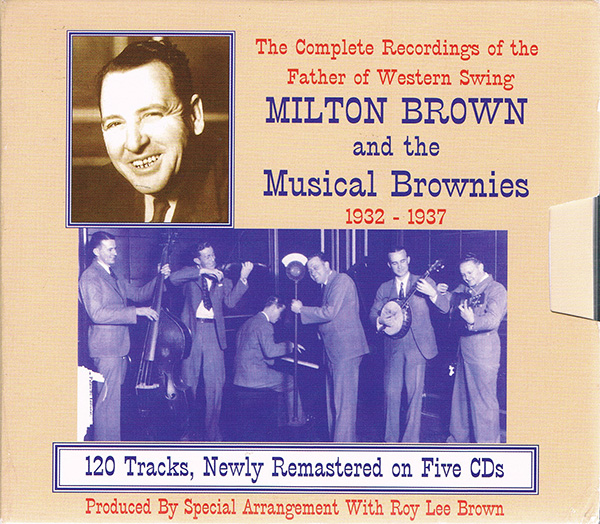
Milton Brown And The Musical Brownies: The Complete Recordings of The Father of Western Swing, 1932–1937, Texas Rose Records, 1995 No music makes me giddier than Western Swing. Imagine a midcentury jazz band outfitted with fiddles and amplified guitars traveling by bus to play dances across the Southwest for urbanites from Dallas and Tulsa, Mexican-American migrant workers from El Paso, and field hands from the Panhandle, sometimes in the same week. The bands learned every kind of number that someone was apt to want to dance to, from "San Antonio Rose" to "La Golondrina" to "Darktown Strutter's Ball," and to this day remain the most culturally omnivorous ensembles ever heard in this country. Bob Wills became as synonymous with Western Swing as Bill Monroe is with bluegrass, but its architect and greatest practitioner was Milton Brown, whose brief career is one of the glories of American music. In their heyday, the Fort Worth–based Brownies were one of the hottest bands in existence, grounded by Brown's warm, insouciant singing, while the stylistic and emotional range of the material remains unparalleled. These recordings are every bit as important as those by Django Reinhardt or Duke Ellington; it's bewildering that they aren't better known. This definitive set collects all 120 sides the band recorded for Victor and Decca in sound that is respectable though hardly high-fidelity. For me, songs like "Chinatown, My Chinatown," "Avalon," and "Hesitation Blues" come down to what I think of as delight—not in the dictionary sense of "great pleasure," but pleasure experienced in the presence of something obviously true and right, a recognition of the human capacity for perfection.