Headphone Reviews

Sort By:  Post Date TitlePublish Date

Sennheiser Orpheus HE 90 headphones
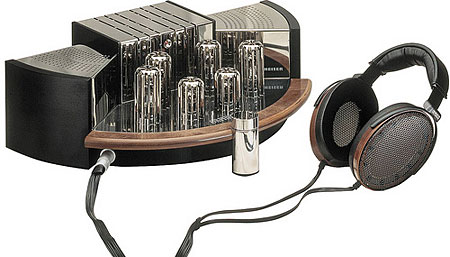
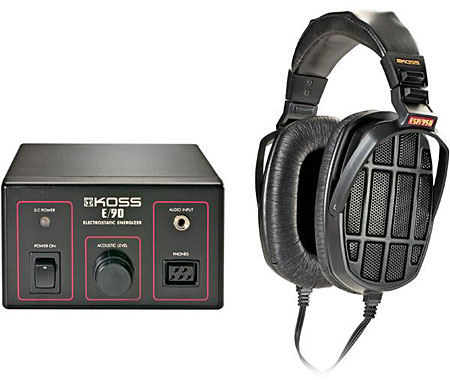
While headphone listening remains secondary to that of loudspeakers for most serious listeners, it's still an important alternative for many. And while good conventional headphones exist, electrostatics are usually considered first when the highest playback quality is required. As always, there are exceptions (Grado's headphones come immediately to mind), but most high-end headphones are electrostatic—such designs offer the benefits of electrostatic loudspeakers without their dynamic limitations. Last">http://www.stereophile.com/headphones/koss_esp950_electrostatic_stereop… year I reviewed the Koss ESP/950 electrostatics (Vol.15 No.12), a remarkable set of headphones from the company that practically invented headphones for serious home listening. Here I listen to examples from two other companies, each known for its headphones since Pluto was a pup.
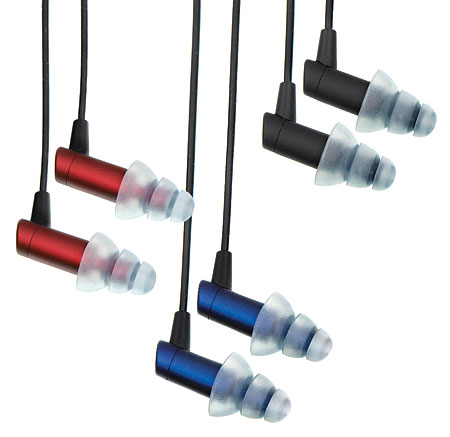
Etymotic Research hf2 & hf5 in-ear headphones

Ah, how the times change. When I reviewed Etymotic Research's ER-4S in-ear headphones in the July 1995 Stereophile, they seemed expensive to me at $330, but well worth that seemingly high price: at the time, they were the best headphones I'd heard. Nowadays, with reference headphones costing well north of a kilobuck, the price of the ER-4S seems relatively reasonable.

Koss ESP/950 electrostatic stereophones

Love 'em or hate 'em, headphones serve a purpose. My first headphones were Kosses, and they were perfect for use in a college dorm. While I've always owned a pair or more over the years, somehow they never became my primary mode of listening, except in situations where using loudspeakers at satisfying levels risked eviction, bodily harm, or both.

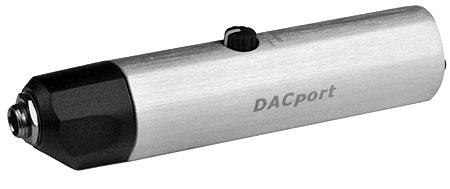
CEntrance DACport USB headphone amplifier

I have built up a large collection of CDs since the medium's launch more than a quarter century ago, along with a modest number of SACDs and a small number of DVD-As. But I find these days that, unless I'm getting down to some serious listening and can give the music my uninterrupted attention, I use iTunes to feed computer files to my high-end rig (footnote 1). I've mostly been using the superb-sounding combination of dCS">http://www.stereophile.com/hirezplayers/dcs_puccini_sacd_playback_syste… Puccini U-Clock and Puccini player/DAC that I reviewed last December to take a USB feed from a Mac mini, but I've also been using the Bel">http://www.stereophile.com/digitalprocessors/bel_canto_usb_link_2496_us… Canto USB Link 24/96 and Stello">http://www.stereophile.com/digitalprocessors/lindemann_amp_stello_usb-s… U2 USB-S/PDIF converters, particularly for headphone listening, when I use one of those two format converters with a Benchmark">http://www.stereophile.com/digitalprocessors/886">Benchmark DAC1 D/A headphone amplifier.

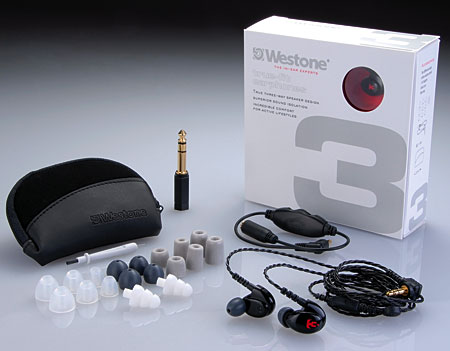
Westone 3 in-ear headphones

Designed to be used onstage by musicians monitoring their sound and mix, in-ear monitors (IEMs) such as the new Westone 3 are great in situations where you want to hear nothing but the music. They're small and portable, and their high efficiency and easy impedance load mean they work well with portable players. IEMs are better than electronic-feedback, noise-reducing, closed circumaural phones at blocking out airplane engine noise and annoying neighbors who want to chat. They're also more compact, sound better, and don't require batteries.

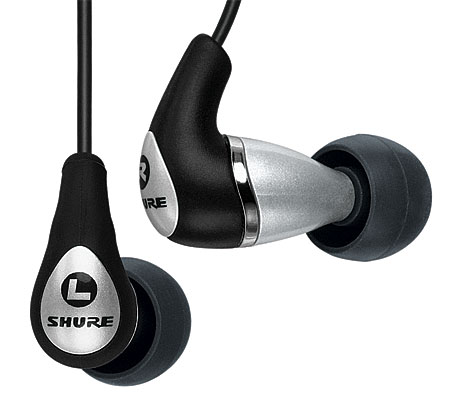
Shure SE310 in-ear headphones

I got early into personal stereos. I lost my driving license for a while in the mid-1970s—something about a stop sign and "failure to observe"—so I used to take the train to a regular bass-playing gig I had in Brighton, on England's south coast. Not only did I conclude that any audio magazine worth its cover price had to have enough meat in it to last the two-hour journey and back again, I also built myself an op-amp–based, battery-powered amplifier to drive a pair of RadioShack headphones. Desperate times called for desperate measures, and my only source was a mono cassette recorder. Inside-the-head mono is as mono desperately does, so once I got my license back, it was back to the car and stereo FM radio. It wasn't until a) I moved to New York City to become a strap-hanging commuter and b) bought a 2003-vintage 30GB iPod (which I still use) that music on the move again began to play a major role in my listening.

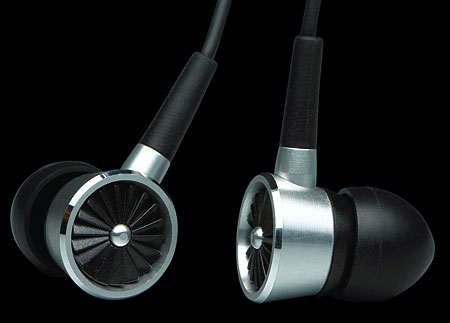
Phiaton PS 200 in-ear headphones

Phiaton is the brand name used by the South Korean Cresyn Company. Wes Phillips reviewed Phiaton's conventional closed-back Moderna">http://www.stereophile.com/headphones/phiaton_moderna_ms_400_headphones… MS 400 headphones in January 2009 and was as impressed by the sound quality as he was by their appearance. The PS 200 ($249), the only in-ear headphone sold by Phiaton, also has a striking appearance: the black rear face, which is all someone sitting next to you in the subway will see, resembles the turbine blades of a fan-jet engine. There are two balanced-armature drive-units, with a passive crossover network.

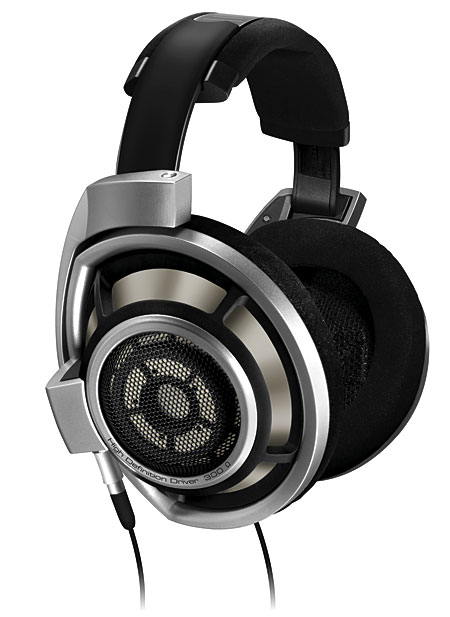
Sennheiser HD800 headphones

Sennheiser's long-awaited (seven years) HD800 sure isn't subtle—at least, not in appearance. The HD800's large earpieces are made from a combination of absorbing composites and functional metal accents, and are huge. Of course, they have to be to house the 56mm ring-radiator transducers—and to mount them so they're firing "back" to your ears from the front. Also not subtle is the price: $1399.95.

Advertisement
Advertisement
Advertisement