ARCAM Cinema 30s 16x9 US Online
Ola's latest report from Audio Video Show Warsaw 2026
Pure Sound Warps Time | Revel Performa4 Floorstanding Loudspeaker
Ken Micallef interviews YG's Matthew Webster in Warsaw
ADMD Audio Technologies at Audio Video Show Warsaw 2026
Meet the ARCAM Cinema 30s
Cool Gear Seen at Audio Video Show Warsaw 2026
Innuos at Audio Video Show Warsaw 2026
Estelon at Audio Video Show Warsaw 2026
Silent Pound at Audio Video Show Warsaw 2026
Pure Sound Warps Time | Revel Performa4 Bookshelf Loudspeaker
Take 5 Show Report
Mastering Engineer Ryan K. Smith Interview at The Vinyl Summit, Day 2
Vinyl Bliss: Discover Your Music Universe at Absoulute! #shorts

LATEST ADDITIONS

Revinylization #53: Craft Records releases Joe Henderson's Power to the People

In the late 1960s and the early years of the next decade, tenor saxophonist Joe Henderson, like many of his contemporaries, was listening to such albums as Miles Davis's Filles de Kilimanjaro and Miles in the Sky and pondering what it meant for his music. During this period, for better or worse, the rhythms and aggressive approach of rock music, including the use of electric rather than acoustic instruments, were mixing with jazz and giving birth to fusion. In hindsight, it seems inevitable that these two vital genres, both of which prize improvisation—be it on electric guitar or tenor saxophone—should become each other's major influence. Jazz fusion based in jazz (Mahavishnu Orchestra, Tony Williams Lifetime, Return to Forever), and jazz rock based in rock (Chicago, Blood Sweat & Tears, Soft Machine), evolved into major genres in the 1970s. From these tendrils, jazz pop, jazz funk, M-Base, and even smooth jazz have continued to spread.
Continue Reading »

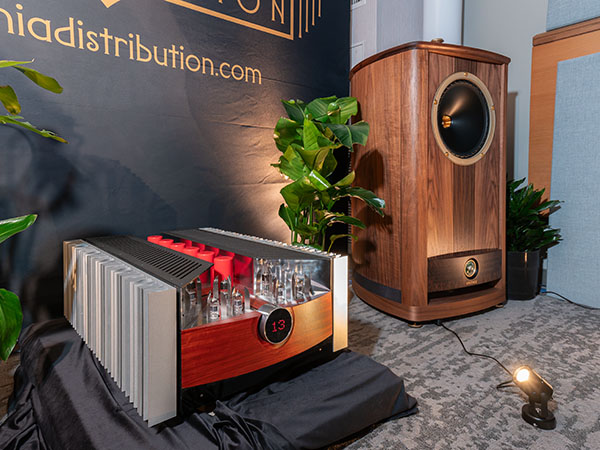
AirTight, Reed, and Franco Serblin Make Joyful Music

What better way to start the first day of an audio show than with some light joyful music? In this case, it was with a 1974 LP, Heinz Holliger: Famous Oboe Concertos, on which the famous oboist joined players of the Dresden State Orchestra under Vittorio Negri for, among other works, Leclair’s Concerto in C for Oboe, Strings, and Continuo, Op. 7. In the first movement, the lively presentation complemented equally lively music, which cheerily zipped along.

Continue Reading »
Advertisement
Advertisement
Advertisement