

Jersey Boys
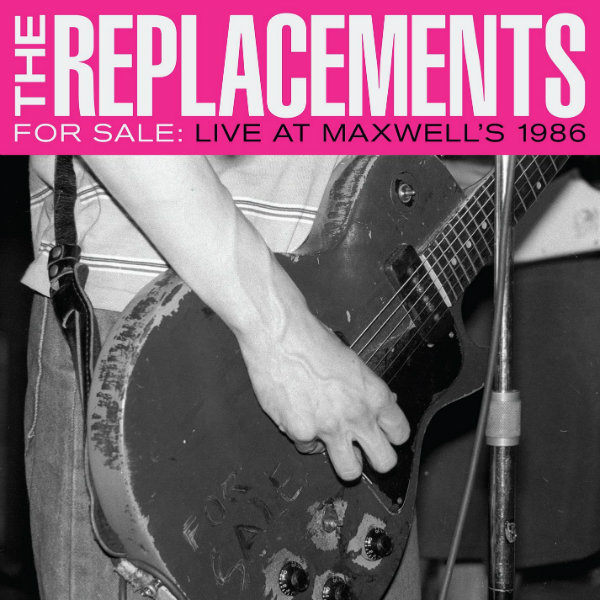
Finally, a Replacements Live Album!
Jessie Baylin

Being “old school” can be either a compliment or a nasty putdown depending on who’s doing the talking.
Joe Walsh on 200gm LP from Analogue Productions
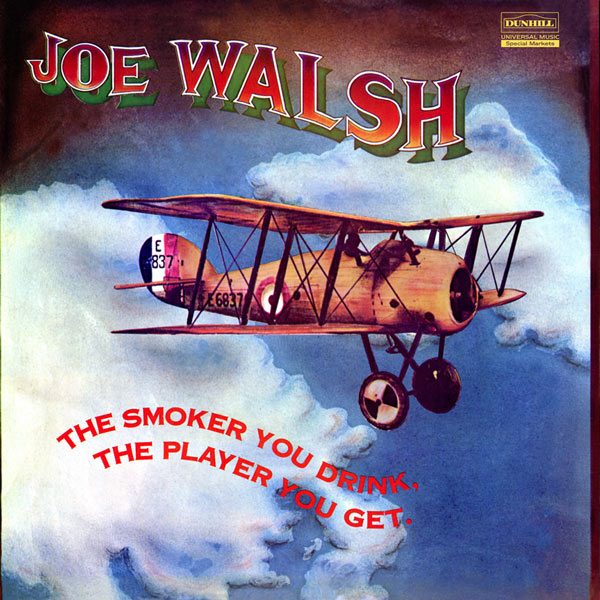
Another week, another beautiful-sounding, wonderfully packaged reissue from Analogue Productions.
John Abercrombie 1944–2017
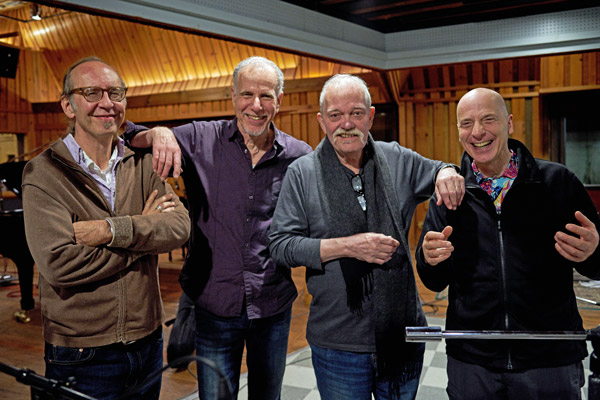
It's the dates as a leader on ECM that remain the most well-recorded part of John Abercrombie's legacy. The players he filled his ECM records with is a long and distinguished list, but he and his final quartet of Marc Copland on piano, Drew Gress on double bass (far left and left above), and Joey Baron on drums (far right) seemed to have special energy when they played together.
Johnny Winter
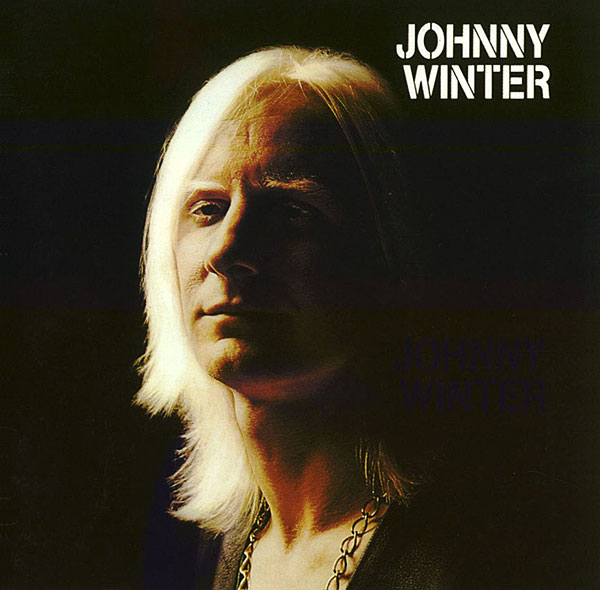
"I made my first record when I was 15, started playing clubs when I was 15. Started drinking and smoking when I was 15. Sex when I was 15. Fifteen was a big year for me,"
Jungle Boogie
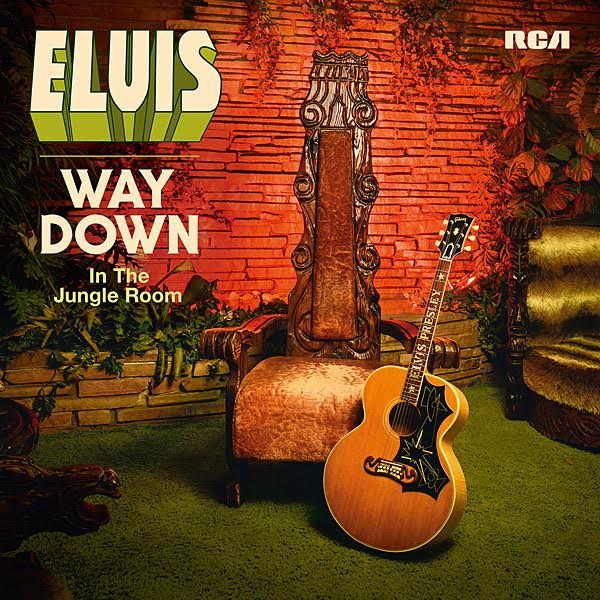
And as the Beatles later mused, he’d done it alone.
Keep those rags and machines hummin'
One distinguishing mark of the "old" music business, i.e. the one before downloads, the one that made buckets of money, the one where half of my friends used to work, was that it was so big that folks on say, the classical side, had no idea who worked on the rock side. Even within the same company. They were different planets.
Kenny Rankin
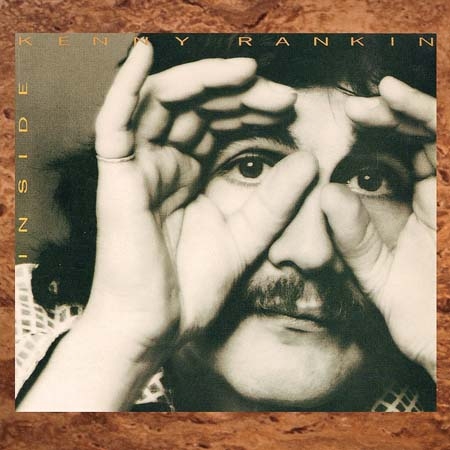
If the cover of the latest issue of Uncut is any indication, “lost” albums never lose their appeal for the musically–inclined or obsessed. Music fans always want what they don’t have or haven’t heard or hear is hard to get. It’s the allure of the forbidden record. And it’s a chief symptom of the record collecting psychoses.
Kiko and that Lavender Moon

Once there was a band of brothers from East Los Angeles...
Kim Richey
The old saw about "the first album was their best" is often true, truer than most artists want to admit. And no where in music is that state more widespread than with singer/songwriters who only have a guitar, their voice and their material and no band to hide behind. Trying to hack out a career as a solo act is a bitch. Takes guts or overweening ego to get through it. Most soloists fall prey to the natural reaction which is to pour all their best ideas into the first project. That's cool until you're faced with coming up with a second and perhaps a third record. Yet sometimes the process can reverse itself, and after a fallow period a songwriter can recharge, again have something to say, and they come through with a late season masterpiece.