Just a brief comment to note the passing on Saturday August 11 of Italian audio distributor Enzo Natali, pictured at the 2012 CES second from left above with UK distributor Ricardo Franassovici (left) and Enzo's two sons Luca and Marco (right and far right). (My thanks to Ricardo for allowing me to publish both this picture and the one below.)
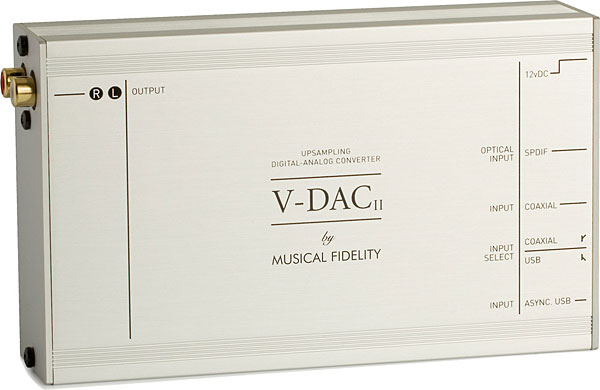
There's so much uncertainty and confusion surrounding computer audio and high-resolution downloads. Which hi-rez formats will win out? How do you store the downloads you've bought? (Easy. Don't buy them.) How do you access them? Will digital rights management (DRM) cramp your style, or data-storage fees for cloud computing crumple your wallet?
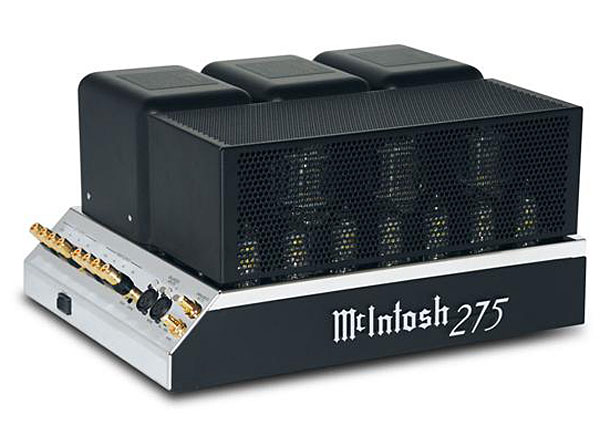
McIntosh Laboratories is back in the act with a limited-edition revival of the MC275 tube amplifier, the original of which was produced from May 1961 through July 1973one of the longest model runs in hi-fi history.
New companies devoted to tube gear keep cropping upin recent years, America's VAC and Cary and Canada's Sonic Frontiers. The same thing appears to be going on in the UK. The pages of British magazines are filled with new tube gear.
“Hi, Ariel? This is Steve Cohen at In Living Stereo. I just opened up your turntable box. There are some sweatpants in here. Oh, and the tonearm cable is missing.”
Kyle studied Film and TV at NYU’s Tisch School of the Arts. He had a freakish obsession with penguins and spent hours at a time glued to his Macbook watching downloads of Aaron Sorkin’s The West Wing. I studied marketing at NYU’s Stern School of Business, counted down the days till the release of Guitar Hero I for Playstation Two, and once paid $20 for a broken drummer monkey known as Trick Star because I wanted to feel free and alive. In the summer of 2006, Kyle and I decided to start listening to vinyl. Why? Because vinyl was cool, and we were not.
Stereophile’s editorial assistant, Ariel Bitran, directed my attention to this USA Today article on an interesting turntable from U-Turn Audio, a company founded by three close friends—Ben Carter, Bob Hertig, and Peter Maltzan—all in their early 20s, who were tired of playing records on cheap USB turntables.