Recording of the Month

Sort By:  Post Date TitlePublish Date

Recording of October 1987: Duruflé & Fauré Requiems
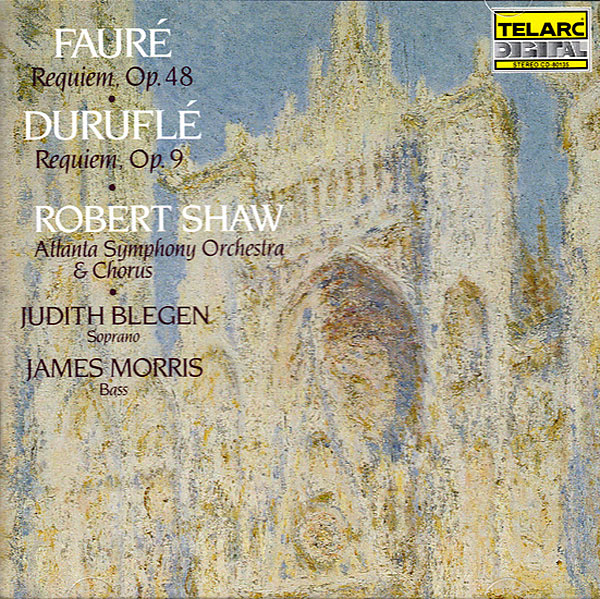
Duruflé: Requiem; Fauré: Requiem
Blegen, Morris, Shaw, Atlanta SO and Chorus.
Telarc 80135 (CD). Robert Woods, prod.; Jack Renner, eng. DDD. TT: 74:23

To have two Requiems by French composers on the same disc certainly invites comparisons. Superficially similar, the works are actually quite different: both are conceived for small-scale performance, both rely on the organ, and neither places any great demands on chorus or orchestra. The differences concern mood and even intent. Fauré's Requiem, composed between 1887 and 1890, has survived all kinds of performances, both amateur and professional, without losing its ability to move hearers with its gentle hymn for the dead. The Duruflé, composed in 1947, has not achieved this kind of public appeal. A commissioned work, and not unified in style, this requiem is enjoyed by those who sing it; audiences tend to find it bland.
Recording of June 1983: Magnum Opus

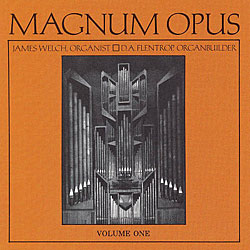
683rotm.jpgJAMES WELCH: Magnum Opus
James Welch, Organist, and D.A. Flentrop, Organ-builder.
Wilson Audio W8111 (LP). David Wilson, eng.

Hearing this organ gives one delusions of grandeur! How wonderful to be rich as Croesus and be able to commission an organ like this for one's (baronial) home. At any rate, those of us who don't live in Seattle can hear it at home, thanks to this superb recording.

True to its title, this is as much a recording of the organ as it is of the organist. Full specifications are given on the back, and although it is not Flentrop's largest organ in terms of number of ranks of pipes, it is physically the largest: it contains a 32-foot Pedal Prestant which emits a floor-shuddering 16Hz!

Recording of September 2013: Jazz in the New Harmonic

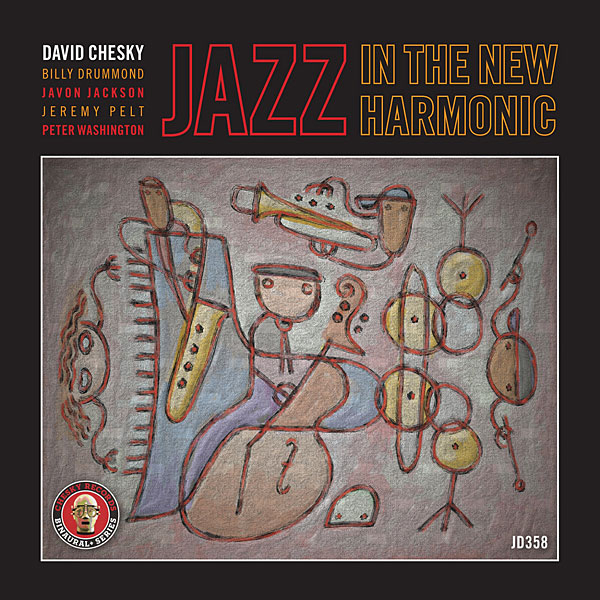
David Chesky: Jazz in the New Harmonic
David Chesky, piano; Javon Jackson, tenor saxophone; Jeremy Pelt, trumpet; Peter Washington, bass; Billy Drummond, drums
Chesky JD358 (CD). 2013. Norman Chesky, exec prod.; David Chesky, prod.; Nicholas Prout, prod., eng. DDD.? TT: 69:15.
Performance ****
Sonics *****

If there's a word that describes the feeling, the vibe present throughout Jazz in the New Harmonic, it's trance. Pianist and session leader David Chesky even uses it without prompting when asked how, among all his music endeavors—an album of difficult non–Joplin-like New York Rags in 2012, a children's ballet later this year, not to mention running Chesky Records—he found the time or inspiration to make a straight-ahead jazz record.

Recording of January 1983: The Art of the Transcription

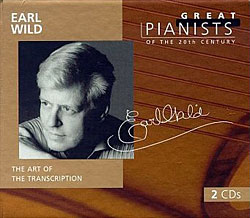
669rotmwild.jpgEARL WILD: The Art of the Transcription
Earl Wild, piano, recorded live at Carnegie Hall on November 1, 1981
Audiofon 2008-2 (2 LPs). Julian Kreeger, prod., Peter McGrath, eng. AAA

It takes nerve for a performer to allow an entire concert to be recorded for release on disc. It also takes extraordinary confidence in one's technique. Mistakes that are overlooked in the live experience become snags for the ear in the recorded version. One starts to listen for them and loses the musical experience in its totality.

Recording of August 2013: Magnetic

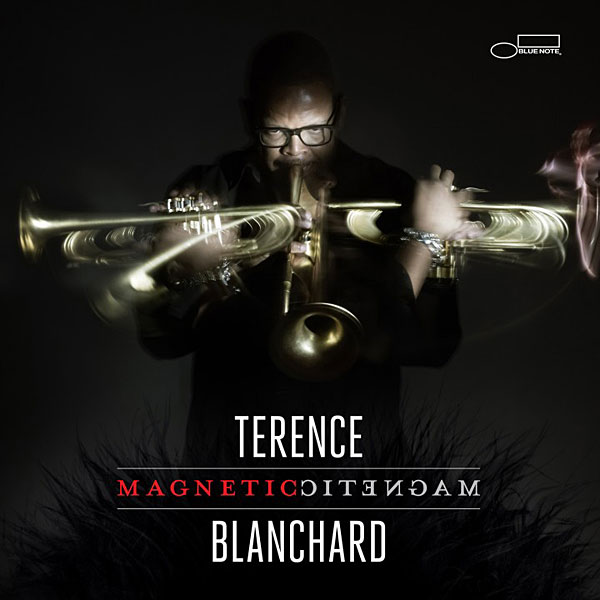
For all those who hold dear the notion that jazz has seen its best days—that, like classical music, it now lacks star power (no more Birds, Mileses, or Coltranes on the marquees), has already said much of what it had to say, and what's left is merely esoteric noodling or soulless bop-by-rote mopping up—there is Terence Blanchard. Once the archetypal sideman, this New Orleanian contemporary of Donald Harrison and Wynton Marsalis has become a successful leader. His poise, generous spirit, and workaholic lifestyle —not to mention his instantly recognizable trumpet tone—have quietly made him one of the leading figures in today's jazz mainstream.

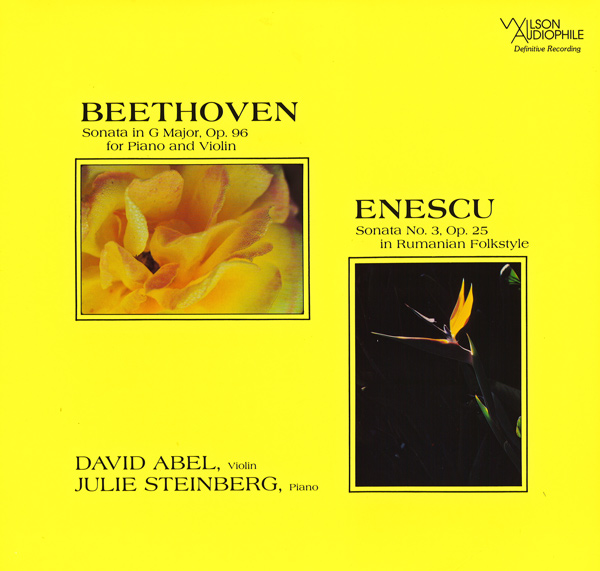
Recording of February 1984: Beethoven/Enescu Violin Sonatas

BEETHOVEN: Violin Sonata in G, Op.96
ENESCU: Violin Sonata No.3, Op.25 (In Rumanian Style)

David Abel, violin, Julie Steinberg, piano
Wilson Audio W-8315 (LP). David Wilson, prod., eng. AAA.

Oh, what a breath of fresh air this is! An audiophile recording of real music that isn't bombastic, overblown, or high-powered.

Imagine, if you can, a private recital in your own home by two consummate artists who play these works for their own delight as much as for yours. Imagine sound so completely and disarmingly natural that after 30 seconds you're unaware it's reproduced. That's what this record is all about.

I could rhapsodize endlessly about this record, but I won't. Suffice it to say that if you think there's even a remote chance you'll like this music, you will be positively mesmerized by this recording of it . . .

Recording of July 2013: Rumba de la Isla

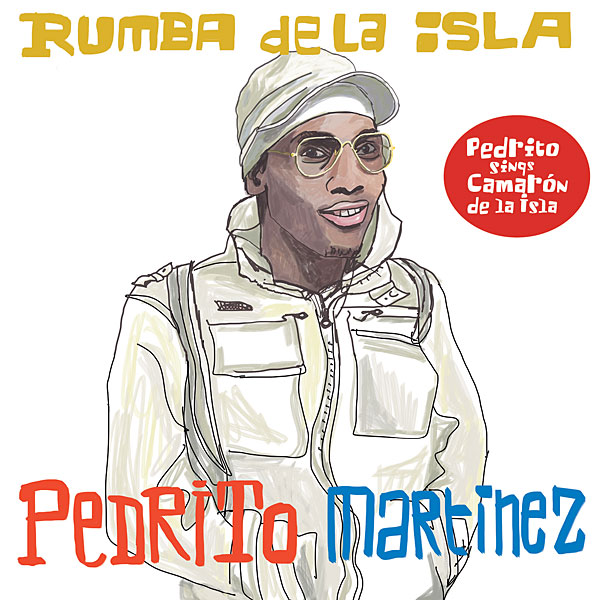
Pedrito Martinez: Rumba de la Isla
Pedrito Martinez, vocals, congas, chekere, cowbell; Niño Josele, guitar, clapping; Alfredo de la Fé, electric violin; John Benítez, acoustic & electric bass; Pirana, cajón, clapping; Román Díaz, batas, cajón, spoons, vocals; Xiomara "La Voz" Laugart, Abraham Rodríguez, backing vocals
Calle 54/Sony Masterworks 8876 540607 2 (CD). 2013. Nat Chediak, Fernando Trueba, prods.; Jim Anderson, eng. DAD? TT: 50:20
Performance ****½
Sonics *****

Cross-cultural mashups are all the rage. There's the BlueBrass mix of New Orleans brass band and bluegrass, reviewed in this issue. The Border Music project mixes David Hidalgo's Norteño/East L.A. rock with Marc Ribot's downtown New York jazz. Here, conguero Pedrito Martinez, born in Cuba but based in New York City, successfully crosses Afro-Cuban rumba with Andalusian flamenco to celebrate the work of flamenco composer and singer Camarón de la Isla. Born José Monje Cruz, de la Isla is probably best known outside Spain for his collaborations with guitarist Paco de Lucía; together they made nine records, and toured extensively throughout the 1970s. De la Isla died in 1992 at the age of 41.

Recording of June 2013: Already Drowning

Though classically trained in flute and exceedingly capable on a wide range of other instruments, including drums, trombone, piano, and various electronics, Aidan Baker is best known for his work on acoustic and electric guitar. A perusal of his unofficial discography on Discogs.com reveals some 80 full-length albums, and another couple dozen singles, EPs, and compilation credits. Beyond merely prolific, Baker's recorded output is profound—and nearly impossible to chart.

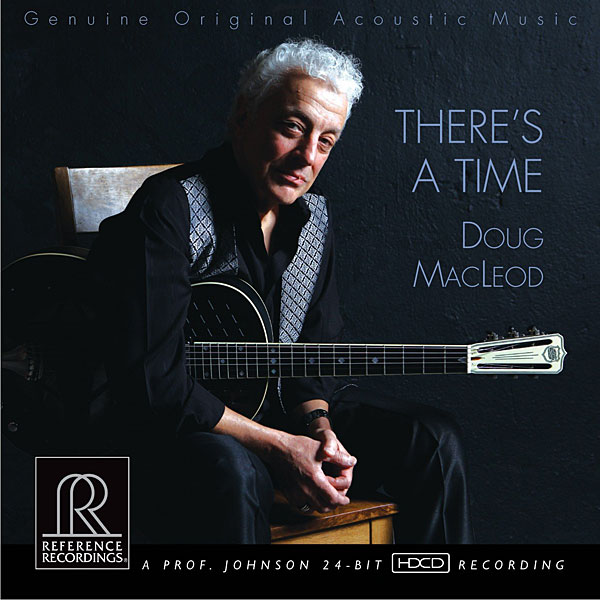
Recording of May 2013: There's a Time

Doug MacLeod: There's a Time
Reference RR-130 (HDCD). 2013. Doug MacLeod, Janice Mancuso, prods.; Keith O. Johnson, Sean Royce Martin, engs. DDD? TT: 58:00
Performance ****½
Sonics ****½

Like a lot of other once-pure forms of American music, the blues today has become a swirl of influences, mixing folk, rock, rhythm & blues, and even Latin flavors into a music that its aficionados—that fervent contingent known as "blues nuts"—have grudgingly accepted as being a part of the music they adore. But if blues fans thought Hendrix or Stevie Ray Vaughan muddied the wellsprings of the Devil's own music, it'll be only a matter of time before rappers mix blues in with their beats, and then—horror of horrors!—dance music begins to "borrow" from da blues. Rather than resist these changes, blues fans should willingly embrace any new energies brought into the music; rather than ruin, these fresh ideas and passions may actually revitalize a musical form that many already see as a museum piece.

Advertisement
Advertisement
Advertisement