CEA Honors Hall of Fame Inductees at 2000 International CES
Jan 16, 2000
At this year's recent CES in Las Vegas, the Consumer Electronics Association (CEA) announced the first 50 inductees into its Consumer Electronics Hall of Fame, chosen from the nominees by a panel of 11 media and industry professionals.
Internet Music Distribution Might Heat Up in Wake of AOL-TW Deal
Jan 16, 2000
At the moment, music fans who want to add to their collections by trolling the Internet are limited to bootlegs of dubious quality and legality, low-resolution shareware from innumerable unsigned bands, and teaser samples intended to help sell CDs by mail. Despite the subject's near-constant presence in the media, sales of downloadable music amounted to only about $1 million in 1999—as compared to total music sales of approximately $13 <I>billion</I>. The trickle of business is in large part due to reluctance by the music industry to open up its vaults because of a lack of copyright protection.
While Consumer Music Sites Struggle, Professional Use Thrives
Jan 16, 2000
The buzz about digital audio downloads from the Internet would lead one to think that the only way we'll be buying music in the not-too-distant future is through the Web. But the reality this past holiday season looks quite different. Reuters is running stories saying that there was "No Santa for the Internet Music Industry," and record companies attempting to get online are having a tough time (see <A HREF="http://www.stereophile.com/news/10648/">related item</A>). <I>MP3 for Dummies</I> author Andy Rathbone states bluntly: "It [the digital music business] hasn't taken off as much as analysts expected," and EMI Records' Jay Alan Samit laments, "this year, over a billion songs were downloaded. None of our artists got paid."
ProAc Response 3.8 loudspeaker Measurements part 2
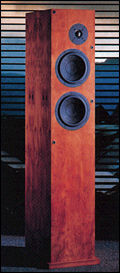
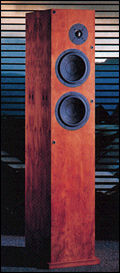
If you've read <I>Stereophile</I> regularly over the past decade, you know that ProAc Audio's Stewart Tyler has a winning formula for designing loudspeakers. In review after review, this magazine's writers have celebrated the sonic profile he has created for ProAc speakers: a spacious soundstage with a big, coherent image; a clean, grain-free midrange; extended highs that don't intrude on the music; and tight, tuneful bass response.
If you've read <I>Stereophile</I> regularly over the past decade, you know that ProAc Audio's Stewart Tyler has a winning formula for designing loudspeakers. In review after review, this magazine's writers have celebrated the sonic profile he has created for ProAc speakers: a spacious soundstage with a big, coherent image; a clean, grain-free midrange; extended highs that don't intrude on the music; and tight, tuneful bass response.
If you've read <I>Stereophile</I> regularly over the past decade, you know that ProAc Audio's Stewart Tyler has a winning formula for designing loudspeakers. In review after review, this magazine's writers have celebrated the sonic profile he has created for ProAc speakers: a spacious soundstage with a big, coherent image; a clean, grain-free midrange; extended highs that don't intrude on the music; and tight, tuneful bass response.
If you've read <I>Stereophile</I> regularly over the past decade, you know that ProAc Audio's Stewart Tyler has a winning formula for designing loudspeakers. In review after review, this magazine's writers have celebrated the sonic profile he has created for ProAc speakers: a spacious soundstage with a big, coherent image; a clean, grain-free midrange; extended highs that don't intrude on the music; and tight, tuneful bass response.
If you've read <I>Stereophile</I> regularly over the past decade, you know that ProAc Audio's Stewart Tyler has a winning formula for designing loudspeakers. In review after review, this magazine's writers have celebrated the sonic profile he has created for ProAc speakers: a spacious soundstage with a big, coherent image; a clean, grain-free midrange; extended highs that don't intrude on the music; and tight, tuneful bass response.
If you've read <I>Stereophile</I> regularly over the past decade, you know that ProAc Audio's Stewart Tyler has a winning formula for designing loudspeakers. In review after review, this magazine's writers have celebrated the sonic profile he has created for ProAc speakers: a spacious soundstage with a big, coherent image; a clean, grain-free midrange; extended highs that don't intrude on the music; and tight, tuneful bass response.
If you've read <I>Stereophile</I> regularly over the past decade, you know that ProAc Audio's Stewart Tyler has a winning formula for designing loudspeakers. In review after review, this magazine's writers have celebrated the sonic profile he has created for ProAc speakers: a spacious soundstage with a big, coherent image; a clean, grain-free midrange; extended highs that don't intrude on the music; and tight, tuneful bass response.