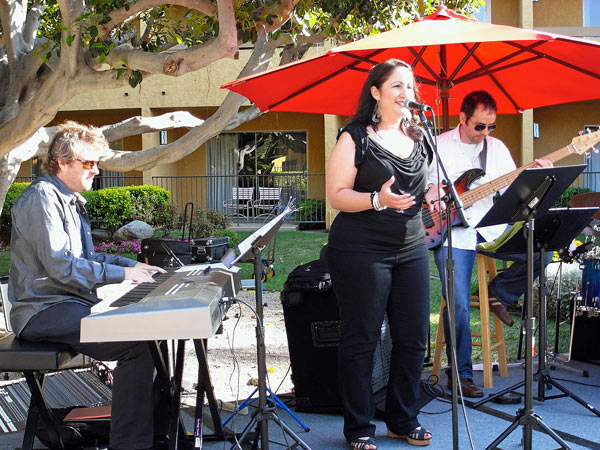
Closing the live program Sunday at the Atrium Hotel was a concert by Audra Lee, daughter of the LA&OC Audio Society's Bob Levi. Leading a rocking trio, with a woman drummer, Audra belted her way through rock standards, including Huey Lewis's "The Power of Love." You can get a free download of Audra's single "I'm All In" here. Audra's debut album will be available in July from iTunes.
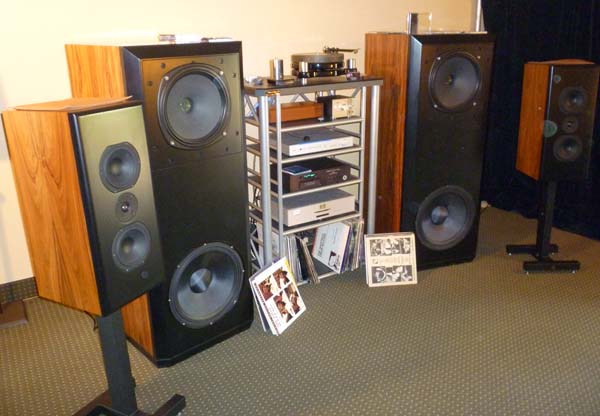
Oh, did I love the sound in this room. When I initially entered, Sunil Merchant, aka Sunny of Sunny Componentsone of three Sunny's displaying at the show, but the only one with four roomswas playing a so-called jazz LP that, for worse rather than better, whisked me back to the time that my very nuclear and highly combustible family of three joined my Uncle Herman and Auntie Anna at a resort in the Catskills. The music was so late 1950s that I could almost hear the women at the card table as they commenced yet one more round of canasta.
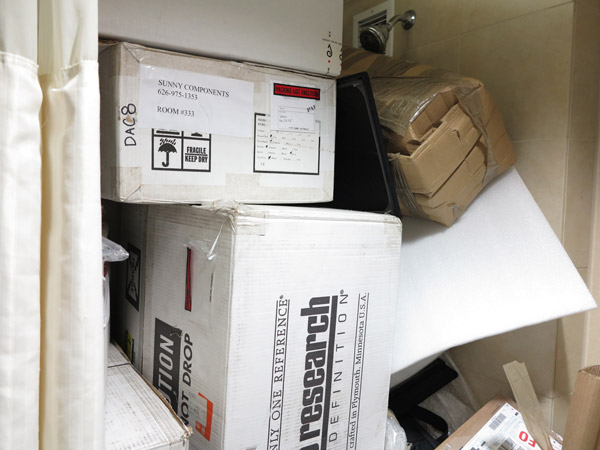
Ever wonder how Sunil Merchant of Sunny Components managed to set up all that equipment in his four different rooms? This peak behind his shower curtain tells the tale.
As fate would have it, on my third attempt to enter the Venice Audio Suiteintense conversation made the other passes futileMark Waldrep of AIX Records/iTrax had brought in some of his hi-res files for store proprietor Peter Selesnick to hear. The room was quiet, and for good reason: the sound was too beautiful to talk over.
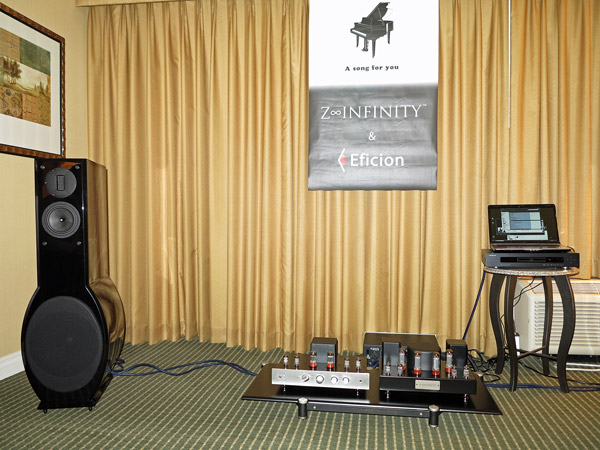
As familiar as I am with Eficion's flagship F300 three-way loudspeaker, which I discussed earlier I've spent little time with its smaller brother, the F250 ($10,000/pair). The wonderful sound in this room made me regret our late acquaintance. Although not ideal for my large listening room, the 3-way vented Eficion F250 with an Air Motion Transformer (AMT) tweeter has found its made-in-heaven complement in Z-Infinity Audio electronics.
I walked into Muddy Waters. Folk Singer. But there was nothing muddy about it. The clarity, in fact, was intense. Muddy’s voice was big and present, full of texture; his guitar was similarly powerful.
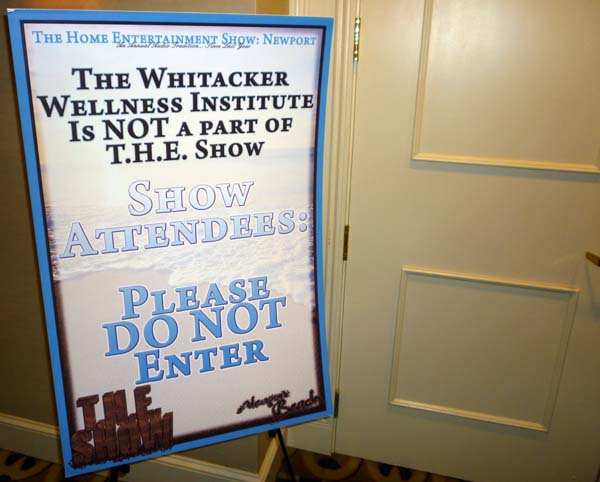
Although I had a bit of a tough time navigating some of the halls, especially at the more meandering Atrium, signage at T.H.E. Show Newport was pretty good overall. You wouldn’t find audiophiles accidentally turning up at the Whitacker Wellness Institute.
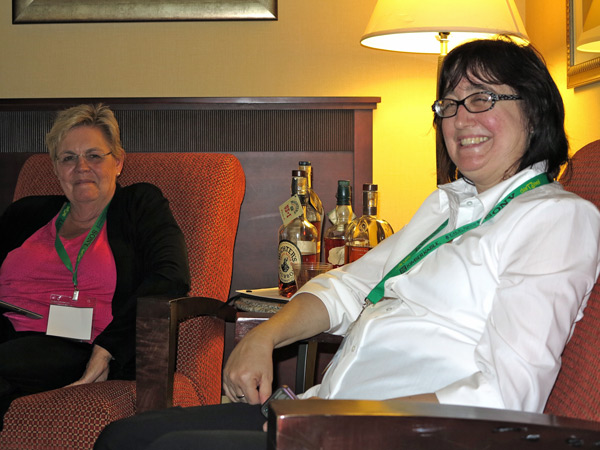
More than Carol Clark's smiles were flowing in the Positive Feedback Online Hospitality Suite on the third floor. You could smell the spirits in the entryway, even before you got close enough to feel the positive spirit. I wish I could have stayed more than 90 seconds. But I doubt you would have gotten many more blogs out of this very light drinker if I had.
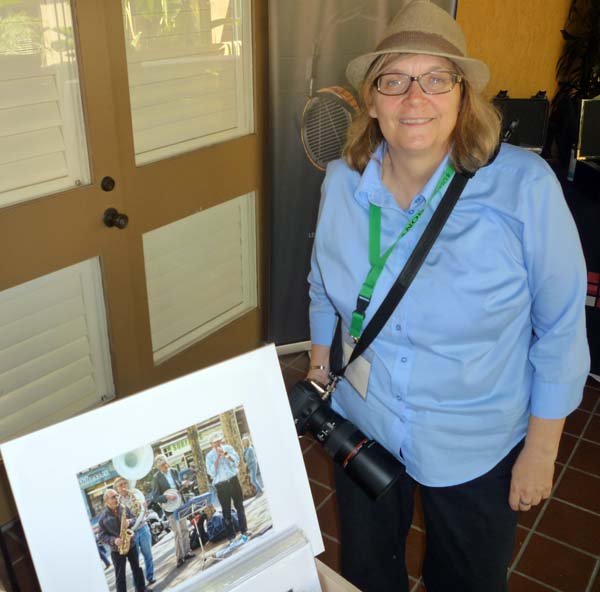
I was pleased to meet Home Theater’s Kim Wilson. If Kim’s not reviewing A/V receivers and preamp/processors, she might be taking lovely photographs of musical instruments, landscapes, city scenes, architecture, and more. During T.H.E. Show Newport, Kim had a small booth near the Atrium pool—not a bad way to spend a sunny weekend. You can see more of her work here.
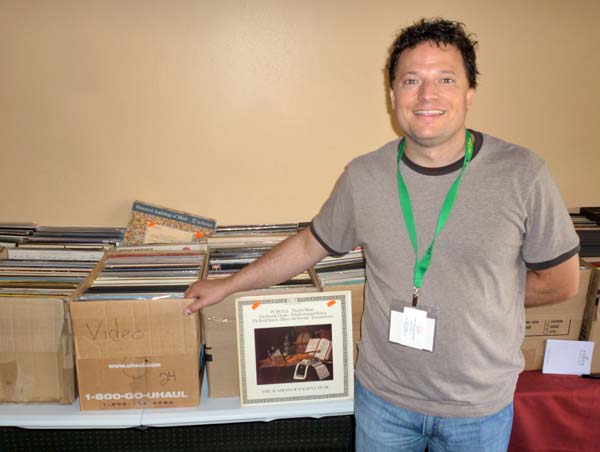
Jason Smith of Babyjdrums Classic Vinyl and Audio had tons of classical LPs for sale, almost all in pristine condition (many were even sealed), and at bargain basement prices. Smith also sells hi-fi out of his home; his brands include PTE, Musical Surroundings, Denon, Soundsmith, and Synergistic Research. And he’s a drummer, on tour this summer with the Albert Lee Band.