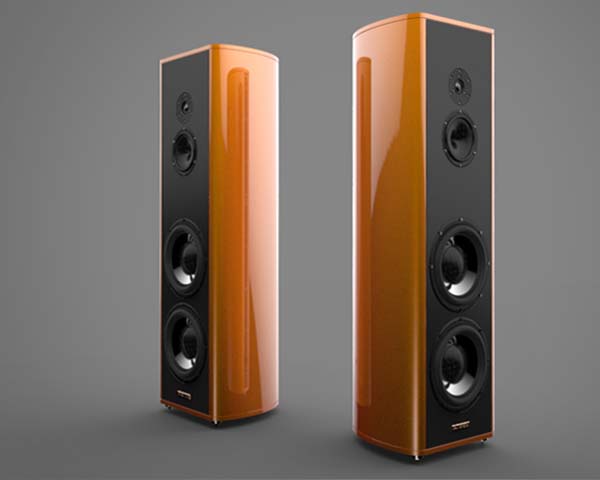
Saturday, September 29, 11am6pm: David Michael Audio (4341 Delemere Court, Royal Oak, MI) will host a demonstration of the Magico S5 loudspeaker ($28,600/pair), which had impressed John Atkinson at the 2012 Newport Beach Show. Irv Gross, Magico’s director of sales, will be on hand to present the speaker and answer any questions. Refreshments will be served. Seating is limited. For more info, call (586) 244-8479. RSVP: info@davidmichaelaudio.com.
Drip.FM offers an interesting new way for music lovers to connect with their favorite record labels. The platform is free to participating labels, with no sign-up costs or usage fees; Drip.FM makes money when the participating labels make money, through a revenue share on sales. Labels set their own user-fees for access to a Drip.FM account. While content varies depending on the label, fans can expect to receive digital files (MP3 and WAV) of new titles on the day they are released (or sooner); randomly selected back-catalog titles; and plenty of enticing perks, such as exclusive, subscription-only tracks and remixes, and other giveaways (imagine: t-shirts, posters, LPs, CDs, concert tickets).
Founded by Ghostly International and currently operating in closed beta, Drip.FM has also partnered with Dead Oceans, Dirtybird, Fool’s Gold, Luaka Bop, Mad Decent, Morr Music, Now-Again Records, Planet E Communications, Stones Throw, Wav.Pool, and now Jagjaguwar.
I recently signed up for an account with Jagjaguwar.
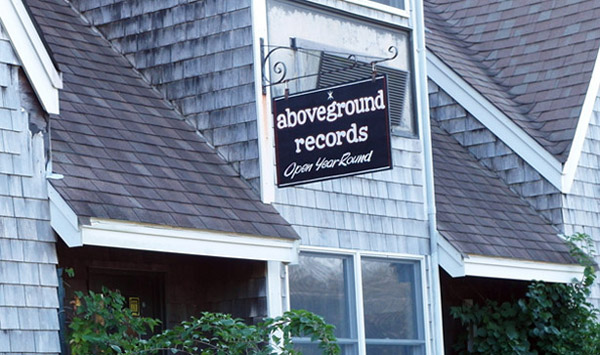
Aboveground Records, obligatory cedar shingles and all.
The Massachusetts island called Martha's Vineyard, a tourist destination with a year-round population of only 18,000, is home to at least a hundred T-shirt shops, scores of seafood shacks (the calamari at Nancy's is amazing), dozens of ice-cream parlors, and three unpleasant cute-tiques called The Black Dog. Residents and vacationers alike are also served by an excellent store called Aboveground Records (8 Great Harbor Triangle, Edgartown, MA 02539).
My latest addiction is “Stuff I’ve Been Reading,” Nick Hornby’s column for The Believer. I know: It's very hipster/nerdy of me to be reading this stuff; you might even think I live in nerdy Brooklyn. But, I swear, I live in Jersey City, and I have completely sincere and profound reasons for reading The Believer and "Stuff."
Not only does it remind me of how much I admire and enjoy Hornby’s writing—he’s clear, deep, funny, and extremely likable even when he’s being snarky and clever—but it also fuels my passion for reading. And when I read, I feel like a better person: stronger, smarter, healthier, whatever. Profound, see?
When I read, I at least feel like I have something to say. When I read, I’m happy.
You should check it out. In the preface to Housekeeping vs. the Dirt, the second of four published collections of “Stuff,” Hornby reminds us that reading addresses many of our needs, none more important than simple pleasure. Read the books you like, and don’t let anyone tell you that you shouldn't enjoy Moby Dick or The Hunger Games or whatever.
There’s something to be learned here, even for you know-it-all audiophiles.
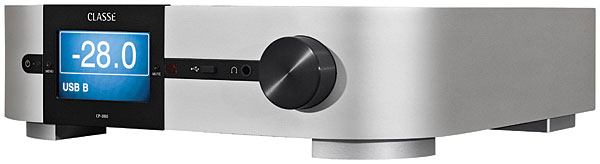
I was setting up for some musical demonstrations I was to present for a Music Matters evening at the ListenUp! store in Boulder, Colorado, in May 2011. For these events, an audio store invites manufacturers (and the occasional journalist) to demonstrate to local audiophiles the musical benefits of high-end audio playback. In Boulder, I was to share the store's big listening room with Dave Nauber, president of Classé Audio, who had set up a system with B&W Diamond 802 speakers, a Classé stereo amplifier, and a preproduction sample of Classé's new CP-800 preamplifier ($5000), all hooked up with AudioQuest cable. I unpacked my MacBook, with which I was going to play the high-resolution master files of some of my Stereophile recordings, and looked around for a DAC. There wasn't one.